

Kailash Mansarovar Yatra 2026 Guide: For Complete First-Timer Pilgrim
Some people plan a trip. Others get called to one.
if you’ve been thinking about the Kailash Mansarovar Yatra 2026, chances are this isn’t just a random travel idea.It’s something that’s been sitting quietly in your mind for a while… waiting for the right moment.
And honestly? 2026 might be that moment.
Pilgrim have been visiting Mount Kailash and Lake Mansarovar since history began from all religions such as Hinduism, Buddhism, Jainism, Bon, but yet Mount Kailash itself has never been climbed. There is no permission to climb Mount Kailash. Not only has it not been discouraged, it’s considered a holy place in totality so that being atop Mount Kailash would be a profane deed. But there are thousands of people walking around Mount Kailash every year for 52 kilometers in a circuit, an act of faith that can strip off the ego better than anything on top could.
Table of Contents
If you are reading this because you plan your Kailash Mansarovar Yatra 2026 guide, then you have come at the right time of your preparations. This guidebook has been prepared specially for first-time pilgrims who want their journey to happen but are still confused about everything else involved in it. When you read on further, you will realize:
- What the Kailash Mansarovar Yatra actually is, beyond the spiritual headlines
- Why 2026 is genuinely different from any other year
- The three main routes, explained in plain language
- Realistic Kailash Mansarovar Yatra dates 2026 and what governs them
- What the Kailash Mansarovar Yatra cost looks like at different budget levels
- How to physically and mentally prepare if you’ve never done high-altitude trekking
- The permits and documents you actually need
- Common first-timer mistakes — and how to avoid every single one of them
Let’s walk through it properly
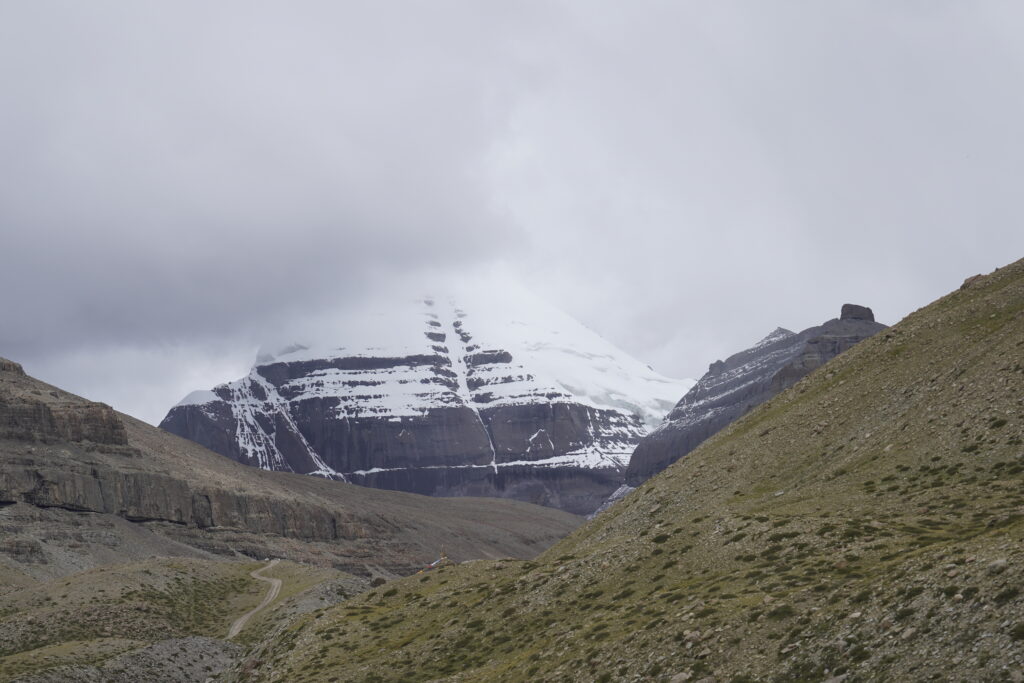
What is Kailash Mansarovar Yatra?
The word ‘yatra’ comes from sanskrit called a journey or pilgrimage in Sanskrit. And the Kailash Mansarovar Yatra is, in the most literal sense, a journey to two specific geographic points in western Tibet: Mount Kailash (6,638 metres) and Lake Mansarovar (4,590 metres). The Kailash Mansarovar Yatra is one of the most sacred pilgrimages in the world. It takes you to:
- Mount Kailash – believed to be the abode of Lord Shiva
- Lake Mansarovar – one of the highest and holiest freshwater lakes on Earth
But here’s the thing most guides won’t tell you that, This journey is not about reaching a destination, It’s about what changes within you along the way.
Pilgrims from Hinduism, Buddhism, Jainism, and Bon tradition all revere this region.
To Hindus, Kailash Parvat is the home of Lord Shiva where he meditates eternally along with his wife, Goddess Maa Parvati. To Tibetans, it is Mount Meru that represents the axis of the universe. The Jains call it Ashtapada, where their Tirthankara, Rishabhdev attained enlightenment. The Bon, who preceded the Buddhists in Tibet, refer to it as the seat of their sky goddess. Four different religions and one holy mountain.
The Kora is the heart of the Yatra, which involves the parikrama around Mount Kailash, covering 52 kilometres in three days. The route passes in a clockwise direction, but the Bon followers go in a reverse direction. The pilgrims pass through the Dolma La Pass in Day Two, at an altitude of 5,630 metres above sea level. It is the highest physical and spiritual point of the pilgrimage. Tears drop from the eyes without knowing why? at this stage.
Mansarovar Lake, preceding the Kora, is the highest fresh-water lake on earth of the corresponding size. Bathing in its waters is believed to clean up one’s karma for many incarnations. The lake’s colours change during the day – blue early in the morning, emerald in the afternoon, and dark brown in the evening. The experience of observing these changes in complete silence, having Mount Kailash in the background, is indescribable.
Why Kailash Mansarovar Yatra 2026 is Special
Why 2026 Is No Ordinary Year for the Kailash Pilgrimage
2026 is an exceptionally unique year for the Kailash Pilgrimage. Every year isn’t created equal where matters such as this one are concerned.
While any year from May to September can be used to fulfill the Kailash Mansarovar Yatra pilgrimage, there is something about the year 2026 that makes it very different from all of the other upcoming sixty years.
2026 = Tibetan Fire Horse Year
The Tibetan Calendar is based on a sixty year cycle that has five elements and twelve animals. The Year of the Horse is a good year to start with because it is the year that the Buddha Sakyamuni was born. Add to this that it is the year of Fire Horse – which happens once in 60 years – and you get the perfect spiritual window for a lifetime.
The last Fire Horse Year was 1966. The next will be 2086. Most of us will have exactly one opportunity in our lifetime. That is why demand for Kailash Mansarovar Yatra packages in 2026 is higher than at any point in recent memory — and why permits for the best departure dates are filling months in advance.
This happens once every 12 years and is considered one of the most powerful times to visit Kailash. Ancient texts from both the Hindu and Tibetan Buddhist traditions describe what this means for the Kora: completing one circumambulation of Kailash during the Horse Year grants the same spiritual merit as completing thirteen Koras in any ordinary year. Ancient Tibetan scriptures use the phrase ‘Mahakumbh of Kailash Parvat’ to describe this event — drawing a deliberate comparison to India’s Kumbh Mela, the world’s largest religious gathering. Many devotees believe:
- 1 Parikrama in 2026 = 13 Parikramas
- This is the logic behind 2026 being called Mahakumbh of Kailash Parvat.
- Saga Dawa festival – The most auspicious window in the year
Furthermore, there is one more auspicious period for performing pilgrimage to Kailash in 2026 window – the Saga Dawa festival. The literal meaning of Saga Dawa is the Full Moon Day in the fourth month of the Tibetan Calendar (late May/ June), commemorating Buddha’s Birth, Enlightenment and Nirvana Day. It is said that performing the kora on Saga Dawa on a Fire Horse year would be such an auspicious period that cannot be repeated for many centuries ahead.
First-timers’ important note: Schedule your Kailash Mansarovar Yatra for Saga Dawa full moon day – 31st May 2026. Book these dates 5–6 months ahead. They will not be available last-minute.
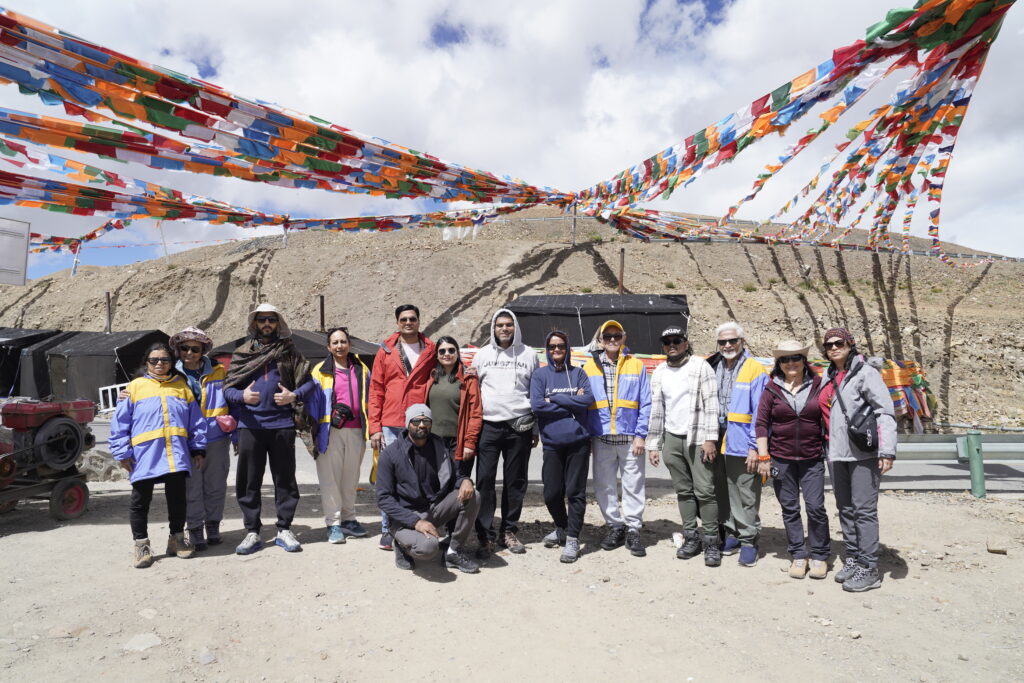
How to Go to Kailash Yatra 2026: The Three Main Routes Explained
This is where people who are doing this for the time usually get confused. There are ways to get to Kailash Mansarovar and different routes are good for different people.
Route 1: Overland via Kyirong (Nepal) — Most Popular for First-Timers
This is the standard route for most international pilgrims and the one recommended for first-time Yatris. You • Fly to Kathmandu (Nepal)
- Stay 2–3 days (visa process + temple visits)
- Drive to Nepal–Tibet border (Rasuwagadhi)
- Enter Tibet → reach Kyirong (2,700 m)
- Travel via Saga (4,450 m)
- Reach Lake Mansarovar (4,590 m)
- Continue to Darchen (start of Kailash Parikrama)
Why This Route is Recommended
- Gradual altitude gain (better acclimatisation)
- Safer for beginners
- Scenic Tibetan plateau views
- Most popular route for international yatris
| Detail | Overland via Kyirong |
| Total duration | 13–16 days |
| Starting point | Kathmandu, Nepal |
| Best for | First-timers, acclimatisation, budget travellers |
| Altitude gain profile | Gradual — Kyirong (2,700m) → Saga (4,450m) → Mansarovar (4,590m) |
| Approximate cost (international) | USD 3,200–4,500 per person |
Route 2: Helicopter Route (Nepalgunj–Simikot–Hilsa)
- Faster route, ideal for time-constrained or older pilgrims
- Kathmandu → Nepalgunj → Simikot → Helicopter to Hilsa → Drive to Kailash
- Reduces long overland travel
- But, Faster altitude gain → higher AMS (altitude sickness) risk
- Requires good preparation + proper acclimatisation days
Route 3: Via Lhasa — The Cultural Immersion Option
- Premium route with deep Tibet cultural exposure
- Fly Kathmandu → Lhasa (often over Everest)
- Visit Potala Palace, Jokhang Temple, monasteries
- Then travel to Kailash via road/flight
- Longer duration (16+ days) & higher cost
- Best for pilgrims with time + budget flexibility
Kailash Mansarovar Yatra Dates 2026: When to Go
April and mid-October is regarded as the ideal season for the Kailash Mansarovar Yatra. Visiting Mount Kailash is not possible throughout the year due to the uncertain nature of conditions, which may experience heavy snowfall at one point and be constrained by Chinese government permission at another point. These months alone allow the Kailash Mansarovar yatra, which can be classified as follows:
- May – June:- Early season. Landscape is greener than you might expect. Saga Dawa falls here — the most spiritually significant window. Crowds begin to build as the season progresses.
- July – August:- Peak season. In July, weather is generally most stable. August sees the Guru Purnima (29 July 2026) and Janai Purnima (28 August 2026) full moons, both highly auspicious. Busiest period.
- September:- Late season. Post-monsoon clarity means exceptional views of Kailash. Temperatures drop at night. Fewer crowds. A favourite window for many experienced Yatris.
Fixed departure dates for 2026 are anchored to full moon nights, when the spiritual atmosphere at Mansarovar is considered most powerful. The confirmed full moon departure dates for Western passport holders in 2026 are:
| Full Moon Date | Significance |
| 31 May 2026 | Saga Dawa — most auspicious of the season |
| 29 June 2026 | Summer full moon |
| 29 July 2026 | Guru Purnima — celebrated across Hindu and Buddhist traditions |
| 28 August 2026 | Janai Purnima |
| 26 September 2026 | Late season — exceptional visibility |
First-timer advice: Choose the May 31 or June 29 departure if you can. These align with the Saga Dawa window and will offer the deepest collective spiritual atmosphere of the entire season. Book 4–5 months ahead.
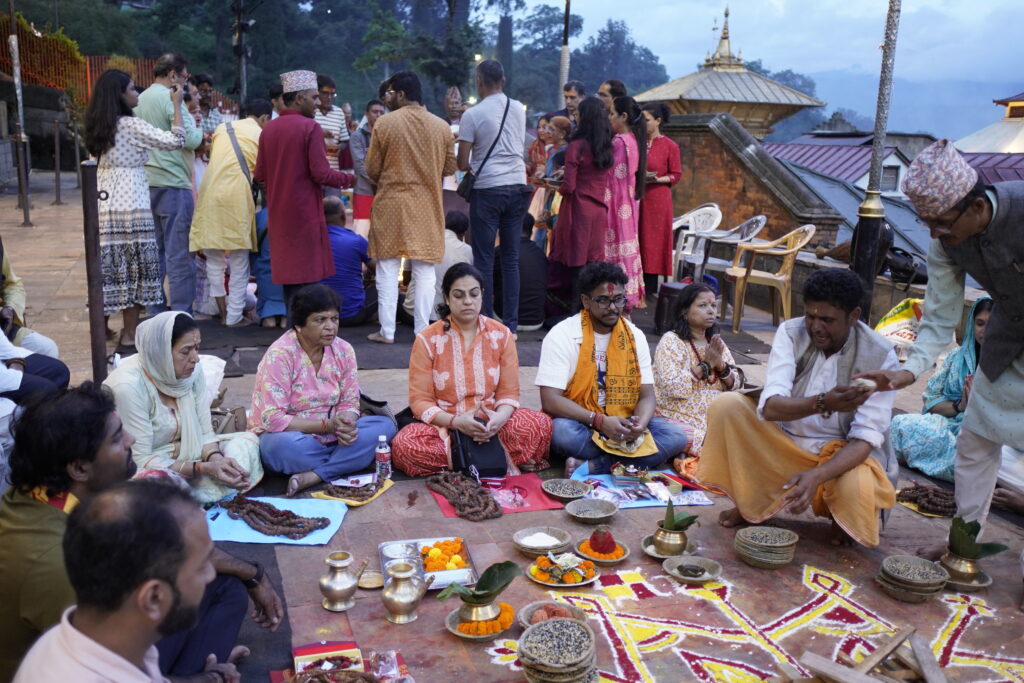
Kailash Mansarovar Yatra Cost: What to Budget for 2026
The honest answer to “how much does the Kailash Mansarovar Yatra cost is depends on your route, your comfort preferences, and your passport. Here’s a transparent breakdown.
Package Cost by Route (International Pilgrims)
| Package Type | Approx. Cost per Person (USD) |
| Budget Overland (Kyirong route) | USD 2,500 – 3,200 |
| Standard Overland | USD 3,200 – 4,200 |
| Helicopter Route (Nepalgunj–Hilsa) | USD 3,800 – 5,000 |
| Luxury via Lhasa | USD 5,000 – 7,500+ |
| Simikot via Garuda Valley (extended) | USD 6,500 – 8,000 |
What’s Usually Included in a Kailash Yatra Package
- Accommodation all the way from Kathmandu (Kathmandu hotels, guesthouse accommodation in Tibet)
- Tibet Travel Permit and Group Visa arrangement with permit fees
- All domestic travel within the tour program (private bus or Land Cruiser from Kathmandu to Darchen)
- Three vegetarian meals daily during the trip
- English-speaking guide and Sherpa support
- Emergency oxygen supply and basic medical kit
- Porterage for a standard-weight main bag during the Kora
What’s Usually NOT Included
- International flights to Kathmandu (budget £400–£900 from Europe depending on season)
- Nepal tourist visa (approx. USD 30–50, available on arrival)
- Personal travel insurance — mandatory, must cover high altitude and helicopter evacuation
- Horse or yak hire during the Kora (optional; roughly USD 80–120 total)
- Personal spending, tips, and additional bottled water
One important note on cost: It needs to be understood that the Kailash Mansarovar Yatra cost really is not the time you can bargain on getting the best deal around. In such remote areas as those located at heights greater than 5,000 meters in Tibet, one needs to understand the importance of having a company that knows what it’s doing with regards to acclimatization.
What Every First-Timer Needs to Know
Permits and Documents:
The paperwork for the Kailash Mansarovar Yatra is more layered than most other international travel. Don’t let that intimidate you — a good operator handles most of it. But you need to understand what you’re signing up for.
The Documents Required
- Valid passport with at least 6 months validity beyond your return date. No exceptions.
- Nepal Tourist Visa:- available on arrival at Kathmandu Airport.
- Chinese Group Visa:- All foreign pilgrims travel on a group visa arranged through their tour operator in Kathmandu.
- Tibet Travel Permit (TTP):- required for entry into the Tibet Autonomous Region. Your operator submits passport scans to obtain this on your behalf.
- Aliens’ Travel Permit (ATP):- an additional restricted area permit for western Tibet (Ngari Prefecture), where Kailash and Mansarovar are located. Also handled by your operator.
- Medical Fitness Certificate:- a fitness report issued by a registered medical practitioner certifying that you are capable of performing high-altitude trekking.
- Travel Insurance:- should specifically include coverage for trekking beyond 5,000 metres as well as emergency air evacuation.
Physical Fitness for Novice Kailash Pilgrims
The physical requirements of the Kailash Mansarovar Yatra may surprise those who consider themselves to be physically fit. It isn’t about how far you can walk, since The Kora is only 52 kilometers in 3 days, and most people can do this easily at sea level. The tough part is the elevation and the low air around you and it is really hard to work for many days in a row at these high elevations.
This is what happens to your body when you are in this environment: The lake Manasarovar is very high up at 4,590 meters. This means that the lake Manasarovar has a lot oxygen, only 40 percent of what you get when you are at sea level so the lake Manasarovar is a very difficult place to be, in. The lake Manasarovar is a place. You will feel it.
You also have to go through the Dolma La Pass. The Dolma La Pass is very high. It is at an elevation of 5,630 meters. You will be going through the Dolma La Pass on Day 2 of the Kora. The Kora is a trip.
A 3-Month Training Plan for Beginners
- Start by walking daily (45 to 60 minutes) and then progress to increased speed and stamina
- Include two weekly aerobic activities (e.g. cycling, running, swimming)
- Perform yoga or stretching to improve flexibility
- Engage in hikes on weekends while carrying a backpack (starting weight 5-6 kg; up to 8-10 kg)
- Take long hikes (up to 12-18 km) along elevated areas
- Implement strength exercises: squats, lunges, step-ups
- Conduct pranayama every day (duration 10-15 minutes)
- Visit doctor for medical assessment (Blood Pressure, Electrocardiogram, Oxygen saturation levels)
- Ensure adequate sleep and hydration, decrease alcohol consumption
- Preferably spend time at elevated altitudes prior to departure
- Discuss use of altitude medicine with your doctor (Diamox is an option)
Understanding Altitude Sickness
Altitude sickness (Acute Mountain Sickness or AMS) is the most talked-about risk on the Kailash Mansarovar Yatra.Rresearch suggests that roughly 35% of pilgrims who arrive without proper acclimatisation will experience some form of AMS, At Darchen (the Kora base camp at 4,675 metres). That is not a small number.
The good news is that AMS is largely preventable with the right itinerary, and manageable when symptoms are caught early and taken seriously.
Symptoms:
- Mild: Headache, fatigue, poor sleep → Rest, hydrate, don’t ascend
- Moderate: Nausea, vomiting, severe headache → Stop ascent, inform guide
- Severe: Confusion, breathlessness, blue lips → Emergency, descend immediately
Prevention Tips:
- Choose itinerary with proper acclimatisation days
- Drink 3–4 litres of water daily
- Avoid alcohol & sleeping pills initially
- Don’t ascend if symptoms appear
- Carry a pulse oximeter (below 80% = caution)
- Consult doctor for Diamox (altitude medicine)
What to Pack for Your First Kailash Yatra
Packing for the Kailash Mansarovar Yatra means packing for warmth (the minimum temperatures can go below -15°C in the night during summers) and weight (you have to pack all this stuff for several days of trekking ahead). Here’s a selective list for beginners.
Clothing
- Moisture-wicking thermal underwear — 2–3 sets (cotton is not advisable)
- Two fleece mid-layers
- Outer waterproof and windproof jacket — splurge on this
- Down jacket — nights and passes will be freezing
- Two trekking pants (fast-drying)
- Over-trousers (waterproof)
- Warm cap, buff, liner gloves, and mitten gloves
- Five pairs of merino wool hiking socks
- Hiking boots — make sure you’ve broken them in before the yatra, don’t wear new boots
Health and Safety
- Diamox (medical prescription) — consult your doctor for the dosage
- Painkillers (ibuprofen) for headaches
- ORS packets for dehydration
- Antacids and anti-diarrheal medicines (altitude affects digestion)
- Personal pulse oximeter — inexpensive and essential
- Sunscreen lotion SPF 50+ — the sun is fierce at altitudes
- Sunglasses with UV protection — chances of snow blindness in Dolma La
- Lip balm with SPF
Gear
- Trekking poles — strongly recommended, especially for Dolma La descent
- Daypack 20–25 litres for the Kora days
- Sleeping bag rated to −10°C
- Head torch + spare batteries (long nights at altitude)
- High-capacity power bank — charging opportunities are rare
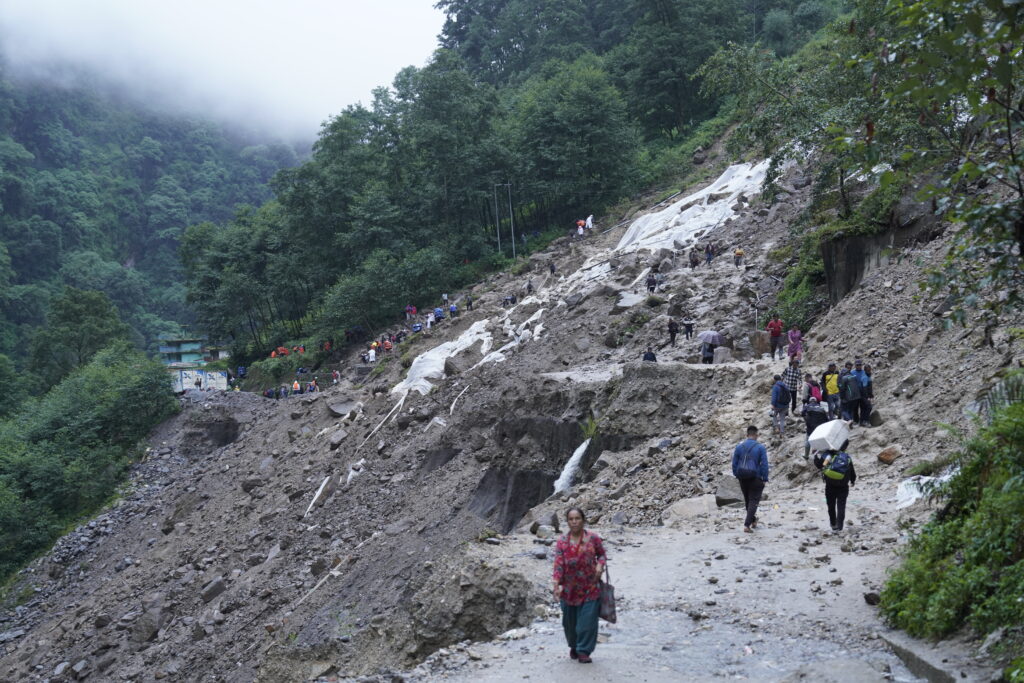
Common First-Timer Mistakes
Every experienced Kailash Yatri has made at least one of these mistakes. Most are avoidable. Here they are, plainly:
- Booking too late:- In the Fire Horse Year of 2026, departure slots are going faster than any recent season.
- Choosing the cheapest operator available:- The Kailash Yatra requires proper permit processing, experienced high-altitude guides, emergency oxygen, and the flexibility to delay if weather or health requires it. Budget operators who skip any of those elements are not actually cheaper — the cost of something going wrong is far higher.
- Arriving in Kathmandu too close to the departure date:- In case of 2026, the Chinese Group Visa will need physical submission of biometric data in Kathmandu, taking 4-5 business days. Getting there one day prior to your departure is not an option. Allow extra time and find out if your passport needs a visa for entry into Nepal.
- Underestimating the acclimatisation requirement:- The Kailash Mansarovar Yatra is not a fitness challenge where training harder compensates for cutting acclimatisation days. If your itinerary has no rest days at altitude before Mansarovar, choose a different itinerary.
- Wearing new boots on the Kora:- This sounds like a small thing. It isn’t. Blisters on day one of a 52-kilometre, 3-day high-altitude walk, with no shops and no alternatives, turn a spiritual experience into an endurance test for the wrong reasons. Break your boots in for at least 8–10 weeks before you go.
Also Read: 10 Spiritual Signs Lord Shiva Is Calling You to Mount Kailash
Why Book Your First Kailash Mansarovar Yatra with Kailash Pilgrim
For a novice pilgrim intending to travel to the Kailash Mansarovar pilgrimage, it has become imperative on his part that he needs to choose his travel mates with great consideration. The Kailash Mansarovar Pilgrimage is the most meticulously planned trip ever, and there are a number of aspects which require attention. For a first-timer to do this all alone is quite unrealistic.
Here comes the fame of Kailash Pilgrim (kailashpilgrim.com). Their whole business revolves around this very pilgrimage.Not a general tour company with a Kailash Mansarovar Yatra package on the side — a specialist operation built around the specific demands of this journey.
What first-timers consistently highlight about travelling with Kailash Pilgrim:
- Expert, 25+ years experienced guide, who understand both the logistics and the spiritual context of the Yatra
- Founder-led journeys with small group sizes, supported by pre-yatra preparation sessions and dedicated assistance for NRI pilgrims.
- Itineraries with genuine acclimatisation days built in at the right altitudes
- Priority permit processing — especially important in a high-demand year like 2026
- Supplemental oxygen, medical support, and clear evacuation protocols on every trip
- Optional arrangement of lakeside Puja and Havan through qualified priests
- Flexible departure dates aligned with full moon and festival calendars
- Transparent pricing with no hidden fees
If you’re going to do the Kailash Mansarovar Yatra first time, this is an once in your lifetime, and in 2026 — the Fire Horse Year — you want to do it properly.
FAQs: Kailash Mansarovar Yatra 2026 Guide
Que.: Is the Kailash Mansarovar Yatra suitable for complete beginners with no trekking experience?
Ans.: Yes, With the proper guideance and pre yatra preparation sessions provided by Kailash pilgrim. The Kora itself involves walking, not technical climbing.
Que.: What is the minimum age and maximum age for the Kailash Mansarovar Yatra?
Ans.: Generally 18-70 years, But Fitness matters more. Helicopter options reduce the physical demands for older pilgroms.
Que.: Can I do the Kailash Mansarovar Yatra solo?
Ans.: Not independently. Required licensed tour operator and authorised guide.Because Tibet Autonomous Region is not permitted.
Que.: Is vegetarian food provided along the way?
Ans.: Yes. Kailash Mansarovar Yatra packages are based only on Sattvic diets.
Que.: What if I am sick during the trip?
Ans.: Professional guides always have extra oxygen supplies, medicines, and doctors onboard.
Que.: When should I make my booking for the Kailash Yatra in 2026?
Ans.: Bookings for the Full Moon days and Saga Dawa period can be made six months prior to the trip.For other dates, 3–4 months is the minimum recommended.
Conclusion
The Kailash Mansarovar Yatra 2026 guide is ultimately about one thing that is helping you move from ‘I want to do this someday’ to ‘I’m going.’ This difference between intent and booking is where most newbies spend several years.
Kailash Mansarovar Yatra 2026 is not your usual travel plan. It is one journey that you will never forget. But it will take effort on your end. You need the willingness to make all the necessary preparations and choose the right tour operator to join the trip.
However, at some point in the journey, a transformation occurs. Not all of a sudden and noisily, but silently.
Are you ready to plan your 2026 Kailash Yatra?
Contact Kailash Pilgrim to discover the Kailash Mansarovar Yatra dates 2026, how to go to Kailash 2026, get clear pricing information, and consult a specialist who has helped beginners navigate all phases of this trip. The earlier you contact us, the more available departure dates there will be.
Kailash Pilgrim | kailashpilgrim.com
Specialists in Kailash Mansarovar Yatra — 2026 Fire Horse Year packages now open.
Full moon departures available May–September. Limited seats per group.
Early booking recommended.
Because some journeys are not planned…
They are answered. 🕉️
| How to Connect | Details |
| 📱 Australia — Call or WhatsApp | +61 424388831 |
| 📱 Nepal Office | +977-97610775021 |
| kailashpilgrim2025@gmail.com | |
| 🌐 Website | kailashpilgrim.com |
| @kailash_pilgrim |