Kailash Lhasa Route vs Kerung Route 2026: Which Is Right for You?
Each and every year, thousands of pilgrims all across world and even the India dream of performing the holy journey to Kailash Mansarovar. However, what most people do not realize is that the path that one takes is crucial not only for their comfort during the journey but for much more. It shapes your entire spiritual experience.
Every Kailash journey begins with a question. “which route should I take?” instead of “when” or “how much”.
If you are planning for the Kailash Mansarovar Yatra 2026, you’ll quickly come across two main options:
- The Lhasa Route
- The Kerung Route
Table of Contents
They might seem like basic decisions to make when traveling. In truth, though, they can determine your whole journey and affect everything from your comfort level to your speed.
For some pilgrims, it’s about having a gentler experience on their pilgrimage. For others, they’re ready for a faster journey and aren’t bothered by some difficulties along the way.
This guide gets real with you about what your options are so that you can choose based on yourself. After reading this, you will know:
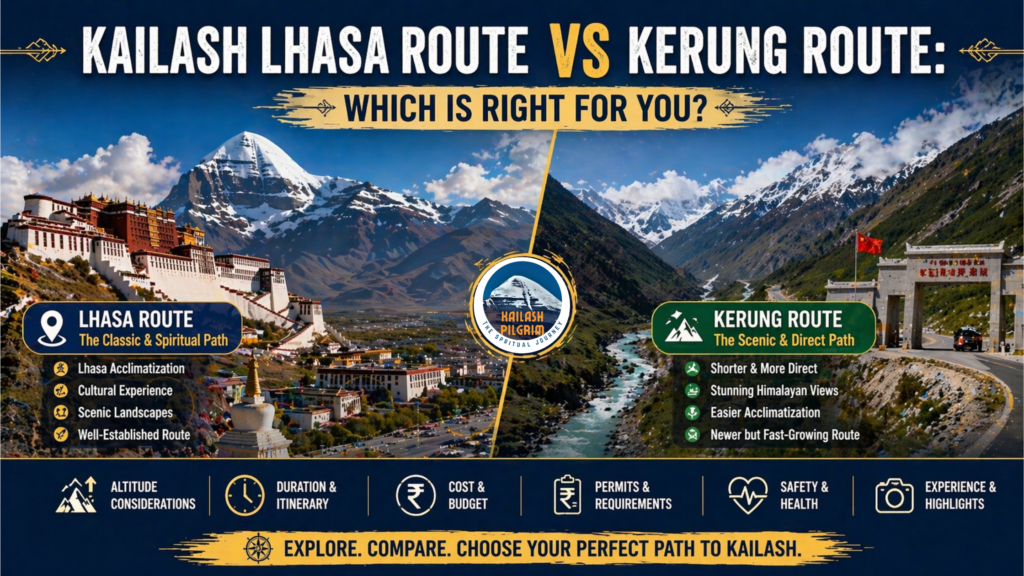
- The difference between Kailash Lhasa route vs Kerung route 2026
- Which route is safer and more comfortable
- Which one suits Indian vs NRI pilgrims
- Real pros and cons of each route
- How to choose the best route for Kailash Yatra 2026
Let’s start with the basics.
Understanding the Two Main Kailash Routes
Let’s have a quick glance of these routes before reading in detail below. At the moment, there are two major routes to Kailash Mansarovar via Nepal, which are as below:
Lhasa Route (Overland via Tibet)
Start with a flight to Lhasa, the capital of Tibet. Then take an overland journey across Tibet to Lake Mansarovar and Mount Kailash.
- Entry point: Kathmandu (Nepal) Lhasa (Tibet) Saga Darchen (Kailash)
- Approx. Duration: 14 to 18 days (round trip from Kathmandu)
- Major attractions: Potala Palace, Drepung Monastery, Gyantse, Shigatse, Brahmaputra valley etc.
- Mode of travel: Combination of flight (Kathmandu to Lhasa) & jeep/bus
- Best suited for: pilgrims wishing to explore more of culture, gradual acclimatization and the entire of Tibet
Kerung Route (Overland via Nepal Border)
This trip starts from Kathmandu. Travel by road through Nepal-Tibet border (Kerung/Gyirong)
- Start from: Kathmandu Kerung Border to Saga Darchen (Kailash)
- Travel Time: approx. 10 to 14 days (Return trip to Kathmandu)
- Main Attractions: Mansarovar Lake, Kailash Parikrama (Kora), Rakshas Tal
- Travel type: All land route.
- Best for: Time short pilgrims, budget-oriented people, & pilgrims looking for intense spiritual feeling in short time
Kailash Lhasa Route vs Kerung Route 2026: Side-by-Side Comparison
Here is a detailed comparison to help you see the differences at a glance:
| Feature | Lhasa Overland Route | Kerung Route |
| Entry Point | Kathmandu → Lhasa (by flight) | Kathmandu → Kerung (by road) |
| Duration | 14–18 days | 10–14 days |
| Cost (approx.) | USD 3,500 – USD 5,500+ | USD 2,200 – USD 3,500 |
| Altitude Gain | Gradual (better acclimatisation) | Faster (needs careful management) |
| Cultural Sites | Potala Palace, Sera, Drepung, Gyantse | Limited – focused on Kailash & Mansarovar |
| Permit Type | Tibet Travel Permit + Chinese Visa | Tibet Travel Permit (no Chinese Visa needed) |
| Acclimatisation Days | 3–4 days in Lhasa | 1–2 days in Saga |
| Road Conditions | Well-developed highway | Rugged mountain terrain |
| Group Size | Minimum 5 persons | Minimum 5 persons |
| Best For | NRIs, cultural explorers, senior pilgrims | Budget pilgrims, time-bound travellers |
| Availability 2026 | Subject to Chinese permit opening | Generally more accessible |
The Lhasa Route: A Gradual and Scenic Journey
What Makes the Lhasa Route Special?
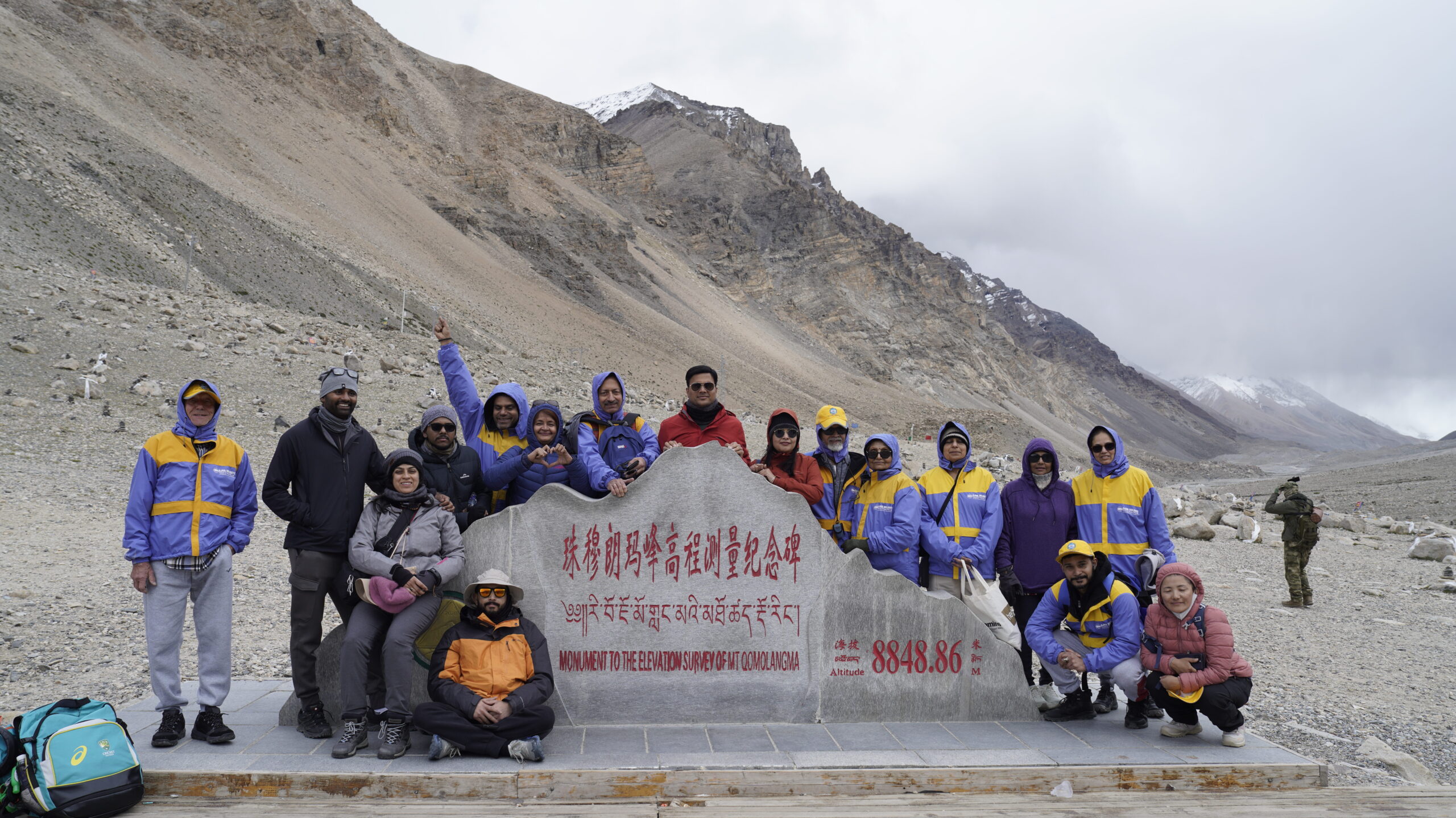
In this way, you don’t go to Lhasa for the sake of going to Kailash but a pilgrimage on the top of the pilgrimage. You set a precedence that Tibetan Buddhism have followed for centuries, to make pilgrimage to Lhasa and stay there for 3-4 days in the “roof of the world”.
Lhasa is a city standing at an altitude of about 3650 meters, so it is a good move to visit Lhasa first before continuing west both for culture and health reasons, to acclimatize your body to the high altitude of Kailash (over 4500 meters) and the Dolma La Pass (5630 meters) during the kora.
Highlights Along the Lhasa Route
- The Potala Palace in Lhasa: A 17 th century building, was formerly the residence of the Dalai Lama. It is UNESCO world heritage site and one of the major tourist attractions in Tibet.
- The monasteries Drepung & Sera: Highly respected monasteries to help you witness the monastic life style and observe monastic processes.
- Gyantse Dzong & the Kumbum Chorten: An historic structure housing a fortress and the largest Chorten in Tibet, known for the beautiful architecture and painting.
- Shigatse & The Tashilhunpo Monastery: Tashilhunpo is another monastery located in Shigatse, this being the head seat of Panchen Lama which also houses the biggest golden statue of Future Buddha.
- Brahmaputra Valley views: The extensive panorama over Brahmaputra valley as we drive along the plateau.
Who Should Prefer the Lhasa Route?
The Lhasa route seems to be perfect for:
- NRI Pilgrims who can afford its higher rate but do not have too much time owing to their busy schedule abroad.
- Senior pilgrims or those suffering from ailments, who would need to slowly adapt themselves to the environment of Lhasa.
- Newcomers who are planning to visit Tibet out of curiosity rather than for religious purposes.
- The history lovers, Buddhists and pilgrims who want to understand the spiritual landscape of Tibet.
- Those planning their journey between October-November, where the weather conditions via the Kerung route can be difficult.
Vital Information for NRIs: Besides the travel permit, a visa from China is required for a land journey to Lhasa. As NRIs are foreigners with their own passports (such as USA, UK, and Canada), they need to stay informed about the visa process in China. We assist you in getting the documents for permits and visas through our website, Kailash Pilgrim (www.kailashpilgrim.com).
Kerung Route for Indian Pilgrims: The Smart, Modern Choice
Why the Kerung Route Is Growing in Popularity
The Kerung route has emerged as the go-to option for Indian pilgrims since it was opened for group tourism. The reason is straightforward: it is more accessible, more affordable, and does not require a Chinese Visa — which is a significant practical advantage for Indian passport holders.
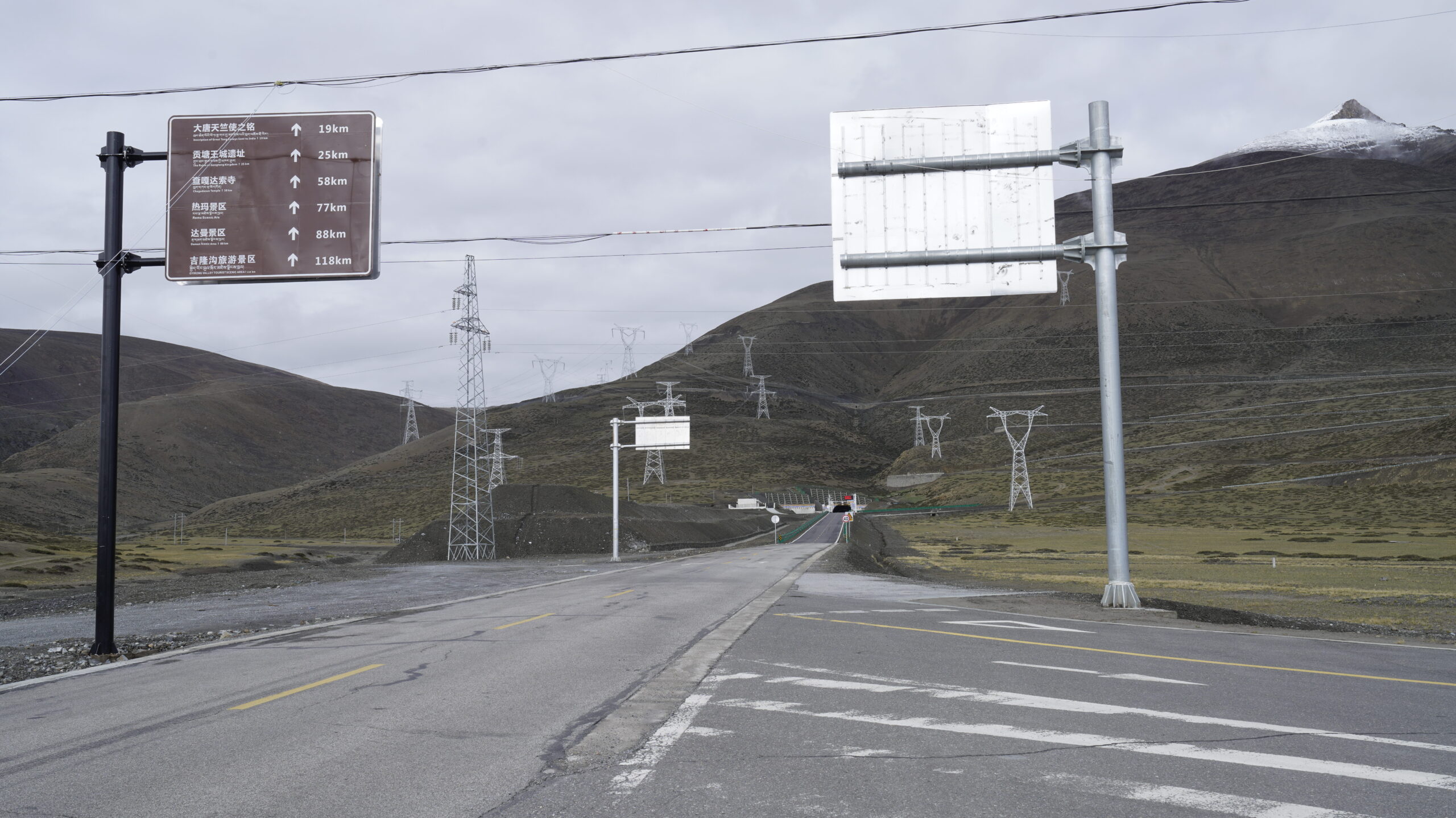
This path enters Tibet through the border point of Rasuwagadhi-Kerung in central Nepal. After that, tourists travel west through the plateau of Tibet up to Saga, and finally to Darchen, which is a base camp for the Kailash Kora.
Key Advantages of the Kerung Route
- Indians not required for China Visa-For Indians to travel Tibet by using Kerung path, Tibet travel permit is enough.
- Cheapest path- Cost to visit Tibet by using Kerung path is at least 1000-2000USD less compared with visiting Tibet by Lhasa. So it is the most suitable path for pilgrims who have medium income.
- Shorter route- If you have a short leave, then it will be most suitable for you to use Kerung path as it requires less time to finish the trip. Suitable for professionals and teachers with brief holidays.
- More focus to pilgrimage circuit- Instead of going to Lhasa first, the traveler can have his entire focus on pilgrimage circuit, i.e. Mansarovar, Rakshas Tal and Kailash Kora.
- Travelling through Nepal’s Langtang region- The traveler passes through the scenic sub Himalayas of Nepal when driving on road to Kerung.
Challenges to Be Aware Of on the Kerung Route
Of course, no road is perfect, and Kerung route has its share of downsides:
- Rapid gain of altitude. You will quickly ascend from Kerung (2,700 m) to Saga (4,640 m) within 2 days, hence, AMS is more probable without careful attention.
- Rough road condition. Especially the roads from Kerung to Saga can be very rough and unpredicatable, especially in monsoon, and there is a great chance of landslips in July-September.
- No cultural stop. You will not visit the monasteries and the historic cities like Lhasa, Gyantse, or Shigatse with this road.
- Limited acclimatisation period. Pilgrims should consciously take enough water, take medicines like Diamox (with doctor’s consultation) and get enough rest during first few days.
Who Should Choose the Kerung Route?
- Indian passport holders who want to avoid the Chinese Visa process
- Pilgrims on a tighter budget without compromising the core Kailash experience
- Younger pilgrims or those in excellent health who can handle faster altitude gain
- Those who have already visited Lhasa and want a more direct, devotion-focused journey
- Groups travelling during late May, June, or September when road conditions are more stable
Also Read: Kailash Mansarovar Yatra 2026 Guide: For Complete First-Timer Pilgrim
Which Route Is Safer? Best Route for Kailash Yatra 2026
The short answer from my openion, The Lhasa route is generally considered the safer option for most pilgrims, but both routes carry inherent risks that are manageable with the right preparation.
What Makes Either Route Safe or Unsafe
Honestly, More than the route, it’s your preparation and your tour operator that truly decide your journey.The key safety factors are:
- • Travelling with an operator who carries emergency oxygen cylinders
- • Having a guide trained in AMS recognition and first aid
- • Knowing the evacuation plan if someone falls seriously ill
- • Being genuinely fit and honest about any pre-existing heart or lung conditions
- • Not rushing the Kora — rest days are not optional, they are safety measures
Permits and Documentation: What You Need for 2026
The documents for both the methods have one common element, the necessity of getting them in order. Tibet is a restricted area and permits for visiting it are indispensable for all tourists. Here is a simple break down:
Documents for Lhasa Overland Route
- Valid Indian Passport (at least six months to expire from the date of your return)
- Chinese Group Visa (necessary and individual Chinese visas are not issued for Tibet)
- Tibet Travel Permit (TTP) – it is issued by Tibet Tourism Bureau
- Alien Travel Permit (ATP) – necessary for restricted regions like Kailash
- Military Permit – necessary for restricted border regions
- Nepal Visa (free on arrival for Indians, but registration is necessary)
Documents for Kerung route
- Valid Indian Passport
- Tibet Travel Permit (TTP) – No visa is needed for Indians to get into China with Kerung as entrance route
- Alien Travel Permit (ATP)
- Military Permit
For both routes, permits must be arranged through a licensed tour operator. Individual travellers cannot obtain Tibet permits independently. All permits are taken care of by Kailash Pilgrim. This means that you have nothing to worry about concerning delays due to the paperwork and your holy tour will not get hampered.
Cost Comparison: Budget for your Kailash Yatra 2026
Cost is another factor which decides on our trip, especially when travelling along with your family or friends. Here is an approximation on the costs for both the routes in 2026:
| Cost Component | Lhasa Route (USD) | Kerung Route (USD) |
| Package Base Price (per person) | $3,500 – $5,500 | $2,200 – $3,500 |
| Chinese Visa Fee | $140 – $200 | Not Required |
| Flight (Kathmandu – Lhasa) | $300 – $500 | Not Applicable |
| Nepal Visa & Fees | $50 – $100 | $50 – $100 |
| Internal Transport (Jeeps) | Included in package | Included in package |
| Accommodation (Tibet) | 2–3 star guesthouses | Basic guesthouses |
| Total Estimated Cost | $4,500 – $6,500+ | $2,500 – $4,000 |
(Note: Price varies according to group size, season, and lodging category, as well as operator. Single travelers pay a supplement. Prices quoted above are based on estimated rates for the 2026 season and we urge you to obtain an individualized quote from the operator of your choice.
Real Pilgrim experiences: What past clients tell us:
Ahmedabad couple (Lhasa Route, 2023)
We elected the Lhasa route at our doctor’s suggestion because my husband suffers from moderate heart condition and we were not sure about how he’d cope with high altitude at first place. All the extra days in Lhasa were indeed life savers. We got time to adjust, visited the monasteries, felt spiritually prepared. When the south face of Lord Shiva’s peak came into view, it was indescribable! Worth every rupee.”
Priya Menon, Houston, USA (Lhasa Route, NRI, 2022)
“As an NRI, I had been dreaming of this trip for fifteen years. The Lhasa route was the obvious choice — I had the time off and wanted to see Tibet properly. The cultural experience in Lhasa, Gyantse, and Shigatse was extraordinary. Kailash Pilgrim handled everything including my US passport China visa process, which I had been worried about. Flawless execution.”
Arjun Sharma and Group (Kerung Route, Indian Pilgrims, 2024)
“Our group of seven chose Kerung because two members had time constraints. We were a little worried about altitude but followed the advice of our guide and took it slow. The experience was raw, real, and deeply moving. Mansarovar at sunrise is something I will carry in my heart until my last breath. The Kerung route is not lesser — it is just different.”
Why Kailash Pilgrim Is the Trusted Choice for Your Journey
Choosing the right route is only half the journey. The other half is choosing the right travel partner — one who knows every curve of these sacred roads, every permit deadline, and every altitude management protocol.
Kailash Pilgrim (kailashpilgrim.com) is an experienced pilgrimage tour company specializing in providing pilgrimage services for Lhasa overland and Kerung routes to Indian, NRIs, and international devotees. The service has been designed around three major pillars – Safety, Spirituality, and Logistics.
Why Choose Kailash Pilgrim?
- Permit Coordination Expertise: They will ensure all necessary permits and visas (from Tibet Travel Permits to Chinese Visa for NRIs) are arranged, leaving you free to prepare spiritually.
- Medical Assistance: Each group departs with personnel that takes care of health at altitude, carries oxygen and understands all emergency protocols.
- Experienced Tour Guides: They don’t only help navigate Kailash and Mansarovar geographies; their guides can narrate the stories of these places.
- Customized Packages: Whether you have 10 days or 20, they create packages according to your physical and spiritual requirements and budgets.
- Upfront Pricing: No hidden costs. Each package is detailed and described in advance for transparency.
- Experience with NRIs: They have worked with many Indians living overseas; thus, they know how to handle all the logistics.
FAQs
Q1: which is better for elderly pilgrims Lhasa over-land route or Kerung Route?
The Lhasa over-land route is recommended more for elderly pilgrims, elderly people over 60 years and people who are suffering from cardiovascular problem. However, many elderly pilgrims in 60+ can successfully do the Kerung route, especially when the health support and physical condition are maintained.
Q2: Can the NRI avail for the Kerung Route?
Yes NRIs (Non Resident Indians) are able to use the Kerung route if they are travelling under an Indian passport. NRIs who are carrying a foreign passport find it more convenient to travel on the Lhasa overland route. Consider getting in touch with specialists like Kailash Pilgrim for the best recommendations.
Q3: Which route is cheaper, Lhasa or Kerung?
Kerung route is always less expensive. Based on season and package.
Q4: Do the both of the route includes Kora of Kailash (Parikrama)?
Yes, both of the Lhasa overland route and Kerung route include the 52 Km parikrama around the holy mountain Kailash and visiting holy lake Mansarovar. Destination of both of the packages are the same, just route is different.
Q5: how much in advance should I book my Kailash Yatra 2026?
We recommend to book 6 to 9 months before. For the Kailash Yatra season of 2026, you can begin your booking process immediately.
Q6: Is the Kerung Route open for 2026?
Generally the Kerung route has been in operation however; this relies heavily on decisions by the border authorities on both the Nepalese and Chinese sides. As far as information has it, the route is currently open for 2026 however this can change at any time and any booked trips should carry travel insurance and the travel agent should be aware of the border’s situation.
Q7: which is better for a first-time Kailash pilgrim Lhasa over-land route or Kerung route?
First time pilgrims will find the Lhasa over-land route a good intro to the Himalayan pilgrimage, however, the Kerung route can also be good for first time Kailash pilgrims as long as they are fit and healthy.
Conclusion
There isn’t one right answer in regard to Kailash Lhasa Route vs Kerung Route 2026. There IS one right answer for YOU – based on your health, finances, available time, passport, and spiritual desires.
If you have time, money and are looking for a total Tibetan culture immersion along with your sacred journey, the Lhasa overland route will sustain you in ways that are beyond description. If you are looking for a streamlined, budget, effective route to the foot of Lord Shiva’s mountain, the Kerung route will deliver every ounce of sacred energy you could hope for-just faster.
What matters most is not which road you take to Kailash. What matters is that you go. That you stand at the shores of Mansarovar as the sun rises over the Himalayas and know — in your bones — that some journeys change you forever.
Ready to Begin Your Sacred Journey?
Talk to the Kailash specialists and get a personalised recommendation for 2026.
Visit kailashpilgrim.com → Plan Your Kailash Yatra 2026 Today
Limited permits available. Book early to secure your spot.