

How to Prepare for Kailash Mansarovar Yatra: Physical and Spiritual Tips That Actually Work
You’ve probably heard you need to train like you’re climbing Everest. Or that six months of gym work will get you ready. Or that the spiritual side just… happens once you’re there.
All wrong.
I’ve watched hundreds of pilgrims arrive at Kailash over two decades. Some prepared for a year. Some for two months. The ones who struggled weren’t always the ones who spent less time training. They were the ones who prepared for the wrong things.
Kailash yatra preparation isn’t about becoming an athlete. It’s about understanding what Mount Kailash actually demands from your body and soul — then building those specific capacities. Nothing more. Nothing less.
At Kailash Pilgrim, we’ve guided pilgrims through this journey since 1996. Our founder has completed this sacred path more than 20 times. What we’ve learned contradicts most of the generic advice floating around online. Here’s what preparation actually looks like when you strip away the mythology.
Myth One: You Need to Be Fit — Actually, You Need to Be Prepared Differently
Most people think kailash yatra preparation means hitting the gym hard for three months. Heavy cardio. Weight training. Marathon prep.
That’s not it.
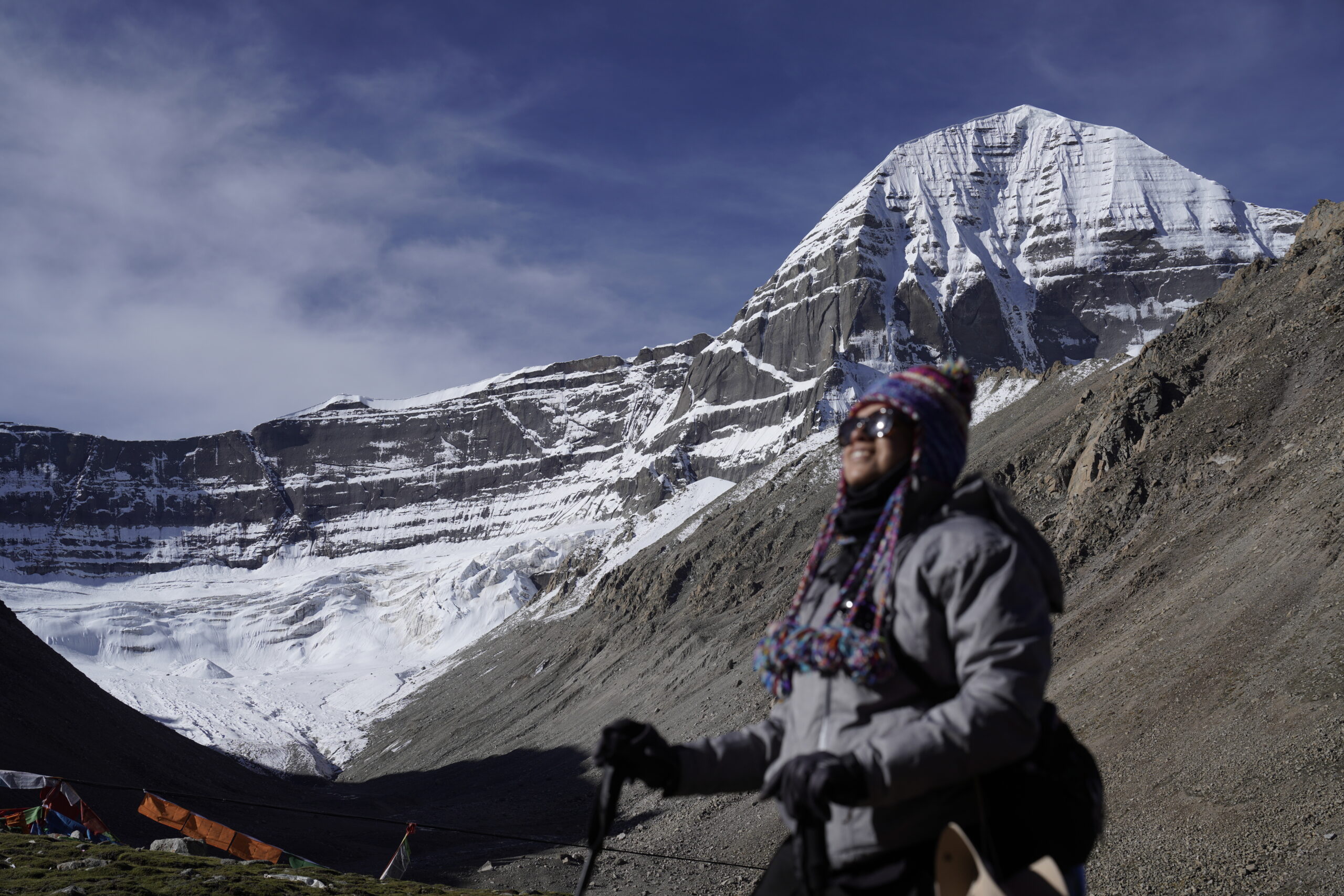
The Kailash parikrama demands something specific: the ability to walk 6-7 hours at altitudes between 4,500 and 5,700 meters while your body operates on 40% less oxygen than sea level. That’s not a fitness challenge. That’s an endurance and acclimatization challenge.
We had a pilgrim from Melbourne in 2023 — let’s call him Raj. Former marathon runner. Fantastic cardiovascular fitness. He arrived confident, dismissed our acclimatization advice, pushed hard on day two of the trek. Altitude sickness hit him at Dolma La Pass. We had to administer oxygen and pause his parikrama for six hours.
Meanwhile, a 67-year-old woman from Singapore who’d never run a day in her life but followed our weighted walk protocol for four months? She completed the entire circuit without medical intervention.
Fitness helps. But specific preparation wins.
Here’s what physical training for kailash actually requires:
Start with 30-minute daily walks. Flat terrain. Just build the walking habit. After two weeks, add 5 kilograms to a backpack. Walk for 45 minutes. Every week, increase duration by 15 minutes until you’re walking 3-4 hours comfortably with 7 kilograms on your back.
That’s your foundation. Once a week, find hills. Not mountains — just inclines. Walk uphill slowly while breathing through your nose only. This teaches your body to function with restricted oxygen intake. It’s the closest sea-level training for altitude you’ll find.
Core strength matters more than leg strength. The rocky, uneven terrain at Kailash requires balance. Planks. Side planks. Simple yoga poses like the tree pose or warrior three. These prevent ankle rolls and falls better than squats ever will.
Swimming is underrated. Two sessions per week if you have access to a pool. It builds lung capacity without joint stress. Perfect for seniors.
Kailash Pilgrim includes a full 12-month preparation guide with every booking. We don’t do this because we’re thorough. We do it because pilgrims who skip preparation end up in oxygen tents instead of experiencing the divine energy of the parikrama.
Myth Two: Acclimatization Happens Naturally — It Doesn’t, and That’s Where People Fail
Here’s the thing nobody tells you about how to prepare for kailash yatra: you can train your body perfectly and still get destroyed by altitude sickness if you don’t understand acclimatization timing.
Altitude isn’t like heat or cold. You can’t tough it out. Your body either adjusts or it doesn’t. Forcing it accelerates failure.
Most tour operators rush pilgrims. Kathmandu to Mansarovar in two days. Straight into the parikrama on day three. That’s not pilgrimage planning. That’s logistics optimization at the expense of your health.
We’ve structured our itineraries around staged ascent. You don’t go from 1,400 meters in Kathmandu to 4,500 meters at Mansarovar overnight. Every elevation gain is followed by rest. We add buffer days that other operators skip. It costs us commercially — fewer batches per season — but it keeps pilgrims safe.
A pilgrim from London told us last year: “I paid less with another company, but they had three medical evacuations in my group. I’m glad I paid more with you.”
That’s not a marketing claim. That’s the reality of proper kailash mansarovar preparation tips versus rushed itineraries.
You can pre-acclimatize before you even leave home. Not fully — impossible at sea level — but you can train your body’s response. Practice pranayama breathing techniques daily. Anulom vilom specifically. Ten minutes every morning. This strengthens your respiratory system and improves oxygen efficiency.
Sleep at a slight incline if possible. Elevate your head six inches. It mimics high-altitude sleeping positions and reduces the shock when you actually get there.
Cut alcohol and smoking completely three months before departure. Not negotiable. Both constrict blood vessels and reduce oxygen absorption. At altitude, that’s the difference between manageable discomfort and acute mountain sickness.
At Kailash Pilgrim, we provide supplemental oxygen and medical monitoring throughout the journey. But oxygen is a safety net, not a solution. Your body still needs to do the work of acclimatization.
Myth Three: Spiritual Preparation Is Personal and Private — It’s Actually the Foundation That Holds Everything Together
Most people treat spiritual preparation for kailash as separate from physical prep. Something you do in your head while your body trains.
Wrong approach.
The spiritual and physical aren’t separate at Mount Kailash. They’re the same thing. Your body is the vessel carrying your devotion. If the vessel fails, the journey fails. If your mind isn’t prepared for the emotional intensity of the parikrama, your body will reflect that stress through fatigue, illness, altitude sickness.
We had a devotee from Dubai arrive unprepared spiritually. Great physical shape. But he hadn’t spent time understanding why he was making this journey. At Lake Mansarovar, the emotional weight hit him all at once. Tears. Exhaustion. He couldn’t sleep that night. Next day, he struggled physically despite being one of the fittest in the group.
Spiritual preparation starts with clarity. Why are you answering this call? What are you seeking from Lord Shiva’s abode? These aren’t abstract questions. Your answers determine how you experience the journey.
Meditate daily. Even five minutes. Focus on Lord Shiva. Chant “Om Namah Shivaya” 108 times each morning. Not as ritual — as practice for maintaining mental calm under physical stress.
Read the Shiva Purana or accounts from past pilgrims. Mount Kailash has called devotees for thousands of years. Understanding their experiences prepares you emotionally for what you’ll witness.
Study the route. Know what Dolma La Pass represents spiritually. Understand why Lake Mansarovar is considered purifying. When you’re gasping for air at 5,600 meters, this knowledge becomes your anchor. It transforms suffering into devotion.
Fast once a week for three months before departure. Not for weight loss — for mental discipline. Kailash will test your comfort limits. Fasting teaches your mind to separate discomfort from crisis.
Kailash Pilgrim provides spiritual guidance throughout our preparation year because we’ve seen what happens when pilgrims show up physically ready but spiritually scattered. The mountain doesn’t care about your fitness level. It responds to your intention.
What Nobody Mentions: Diet Preparation Changes Everything
Here’s something most kailash mansarovar preparation tips completely ignore: what you eat in the three months before departure matters almost as much as training.
Your body at altitude needs different fuel than at sea level. But you can’t suddenly change your diet when you land in Kathmandu and expect your digestive system to cooperate.
Start eating simpler meals two months out. Dal, rice, roti, vegetables, eggs. Cut heavy meats, fried foods, excessive dairy. Not because they’re unhealthy — because they’re harder to digest, and at altitude, your digestive system slows by 30-40%.
Increase protein gradually. Lentils, fish, eggs. Your muscles will break down during the trek. Protein helps recovery. But sudden high-protein intake causes digestive distress. Ramp up slowly.
Hydration protocol matters more than you think. Drink 3-4 liters of water daily starting eight weeks before departure. Your body needs to learn to process high water volume. At Kailash, dehydration accelerates altitude sickness faster than anything else.
Tea becomes your friend at altitude, but only if your body is used to it. Start drinking ginger tea and black tea daily. Skip the milk. Caffeine helps with altitude headaches, but only if you’re already a regular tea drinker.
Avoid experimenting with new foods in the month before departure. Your gut microbiome takes weeks to adjust to dietary changes. The last thing you need at 5,000 meters is stomach issues from food your body doesn’t recognize.
We’ve adjusted our meal planning on Kailash Pilgrim expeditions based on two decades of watching what actually works. Simple, warm, easily digestible food. We’re not running a restaurant. We’re fueling pilgrims through the most demanding physical and spiritual journey of their lives.
The Two-Week Protocol That Most Operators Won’t Tell You About
Here’s the reality about how to prepare for kailash yatra that the industry doesn’t advertise: the final two weeks before departure are more critical than the previous six months.
Most people train hard, then relax the week before travel. Big mistake.
Your body needs active rest, not complete rest. Continue daily 30-minute walks, but drop the intensity by half. No weighted backpack. No hills. Just movement to keep your cardiovascular system engaged.
Sleep becomes non-negotiable. Eight hours minimum. Your body does altitude adaptation prep during deep sleep. Cut back on social commitments. This isn’t the time for late-night farewell dinners.
Finish all medical checkups two weeks out, not two days out. ECG, complete blood work, dental checkup. You need time to address any issues that appear. A tooth infection discovered the day before departure means cancellation.
Kailash Pilgrim requires medical clearance from every pilgrim before final payment. We’ve had people discover diabetes, heart irregularities, and dangerously low hemoglobin during pre-trip checkups. Caught early, these are manageable. Discovered at Mansarovar? That’s a medical emergency.
Practice putting on and taking off your trekking gear. Sounds silly. It’s not. At altitude, fine motor skills decline. Fumbling with shoelaces in freezing wind at 5,500 meters while exhausted isn’t when you want to learn proper layering technique.
Pack your actual trekking backpack two weeks before departure. Walk around your neighborhood with it. Adjust straps. Identify pressure points. Redistribute weight. An uncomfortable backpack becomes excruciating over 7 hours of walking.
Test every piece of gear. Break in your trekking boots completely. One blister at sea level is annoying. At Kailash, it can end your parikrama.
Why 2026 Changes Your Timeline — The Fire Horse Year Factor
If you’re reading this in 2026, your preparation timeline just got more urgent.
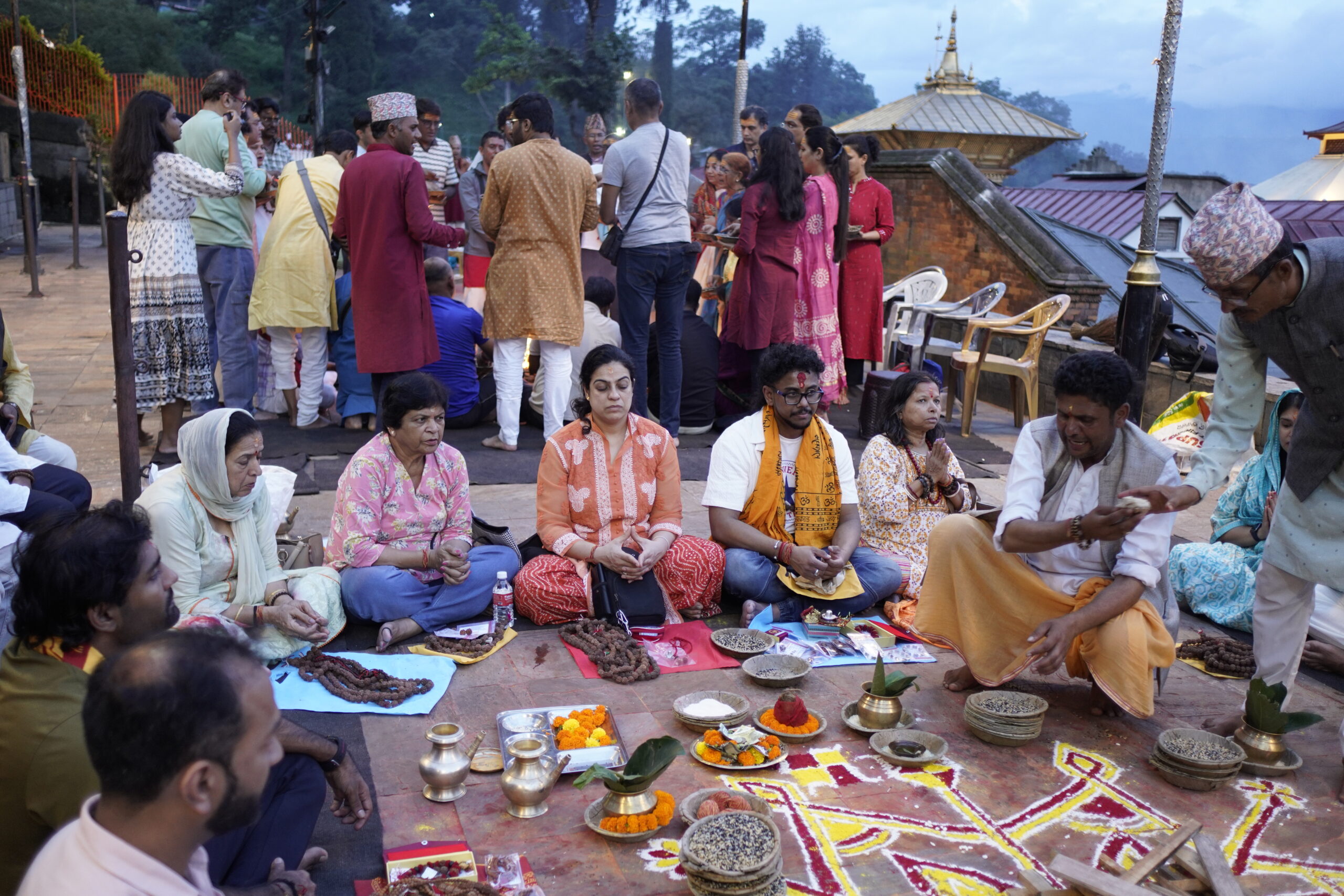
This year is the Tibetan Fire Horse Year — occurs once every twelve years. The spiritual merit of completing Kailash parikrama during Fire Horse Year is considered equivalent to completing it 12 times in regular years.
This isn’t marketing mythology. It’s deeply embedded in Tibetan Buddhist and Hindu tradition. Every Fire Horse Year, pilgrim numbers double. Maybe triple.
We’ve already received 47% more inquiries for 2026 than we received for all of 2025. Permits are tighter. Group sizes are restricted. Medical facilities are overwhelmed.
This means three things for your kailash yatra preparation:
First, book earlier than you planned. Permits for peak season months are already filling. If you’re planning for autumn 2026, you should have confirmed by now.
Second, prepare more thoroughly than you would in a normal year. With more pilgrims on the route, medical support gets stretched thin. You can’t rely on emergency evacuation capacity. Your body needs to be genuinely ready.
Third, start mental preparation for crowds. Kailash is sacred, but it won’t be silent in 2026. The inner peace of the parikrama will need to come from within, not from external solitude.
Kailash Pilgrim has already allocated additional Sherpa support and medical resources for 2026 departures. But there’s only so much support can do. The primary responsibility for readiness sits with you.
What Happens If You Don’t Prepare — The Real Cost
Let me be direct about something most operators won’t say: inadequate preparation doesn’t just make the journey harder. It can make it impossible.
We’ve turned pilgrims away at Kathmandu after seeing their physical condition. Not often — maybe three times in twenty years — but it happens. If our medical assessment determines you can’t safely complete the journey, we don’t take your money and hope for the best.
I’ve watched pilgrims spend $8,000 on a trip, then have to turn back after two days because they ignored preparation advice. The money is lost. The dream is deferred. The disappointment is crushing.
Altitude sickness isn’t always mild. Pulmonary edema and cerebral edema are life-threatening conditions that require immediate descent. We carry medical equipment and oxygen for emergencies, but prevention through proper kailash mansarovar preparation tips beats intervention every time.
Your physical struggle affects group morale. We’ve had situations where one unprepared pilgrim slows the entire group by hours, creating safety issues for everyone. The parikrama has timing checkpoints you need to meet before nightfall. Missing them puts the whole group at risk.
The spiritual cost is harder to quantify but just as real. If you spend the entire journey focused on physical survival, you miss the transformative experience that drew you to Kailash in the first place.
At Kailash Pilgrim, we don’t accept bookings from anyone unwilling to follow our preparation guidelines. It’s not about being strict. It’s about honoring the sacred nature of this journey by ensuring every pilgrim is truly ready to receive what Mount Kailash offers.
Frequently Asked Questions
How many months should I train before Kailash Mansarovar Yatra?
Start at least six months before departure, ideally twelve months. The first three months build basic endurance with daily 30-minute walks, gradually increasing to 3-4 hour weighted walks. The next three months focus on altitude simulation exercises like nasal breathing on inclines and pranayama practice.
The final months combine physical maintenance with spiritual preparation through meditation, fasting, and dietary adjustments. Seniors and those with pre-existing health conditions should start twelve months out minimum.
What is the most important physical exercise for Kailash yatra preparation?
Long weighted walks trump everything else. Forget the gym. You need to train your body to walk 6-7 hours while carrying a 5-7 kg backpack on uneven terrain. Start with flat terrain, add weight progressively, then incorporate hills.
Do this three times per week minimum, with one weekly 4-hour walk. Add core strengthening exercises like planks and basic yoga for balance. Swimming twice weekly builds lung capacity without joint stress — perfect for altitude preparation.
Can senior citizens above 60 complete Kailash Mansarovar Yatra safely?
Yes, with proper preparation and the right support. We’ve guided pilgrims in their 70s who completed the parikrama successfully. The key factors: start preparation a full year ahead, get complete medical clearance including cardiac assessment.
Choose an operator with dedicated senior support like Kailash Pilgrim, opt for itineraries with extra acclimatization days, and consider helicopter options for portions of the journey. Age matters less than preparation quality and underlying health status.
What spiritual practices should I do before going to Kailash?
Begin daily meditation focusing on Lord Shiva, even just five minutes initially. Chant “Om Namah Shivaya” 108 times each morning. Read the Shiva Purana to deepen your understanding of why this journey calls to you. Fast one day weekly for three months before departure to build mental discipline.
Study the spiritual significance of each location — Mansarovar Lake, Dolma La Pass, the parikrama route itself. Most importantly, spend time clarifying your intention for the journey. Mount Kailash responds to spiritual readiness as much as physical readiness.
What diet should I follow while preparing for Kailash Mansarovar Yatra?
Switch to simple, easily digestible meals two months before departure. Focus on dal, rice, roti, vegetables, eggs, and fish. Cut heavy meats, fried foods, and excessive dairy — they’re harder to digest at altitude. Increase protein gradually through lentils and eggs. Drink 3-4 liters of water daily starting eight weeks out.
Add daily ginger tea and black tea to prepare your system for altitude. Avoid alcohol and smoking completely three months before departure. Don’t experiment with new foods in the final month — your gut needs consistency.
Ready to Begin Your Sacred Journey With Expert Guidance?
Kailash yatra preparation isn’t something you figure out from blog posts alone. It requires personalized guidance, medical oversight, and the kind of experiential knowledge that only comes from completing this journey dozens of times.
Kailash Pilgrim has been guiding devotees to Mount Kailash since 1996. Our founder, Ms. Shalini Patel, has completed more than 20 Kailash journeys. We provide one full year of preparation support — physical training protocols, spiritual guidance, medical checkups, visa assistance, and constant access to our team for questions.
For 2026 Fire Horse Year departures, we’ve expanded our medical support and Sherpa assistance. But our group sizes remain small by design. When you’re at 5,600 meters struggling for breath, you don’t want to be pilgrim number 47 in a commercial tour. You want expert attention.
This is Lord Shiva’s call. Answer it properly prepared.
Contact Kailash Pilgrim today to discuss your journey timeline, receive our detailed preparation guide, and secure your place for this once-in-twelve-years sacred opportunity. Don’t let inadequate preparation stand between you and the divine experience waiting at Mount Kailash.