


You’ve felt it, haven’t you? That quiet pull toward Kailash that never quite leaves. Not everyone who feels that call understands its timing. Some wait years. Others miss the window entirely. But if you’ve been feeling drawn to the abode of Lord Shiva lately, there’s a reason — and it’s written in the sacred calendar itself.
The Fire Horse Year of 2026 isn’t just another pilgrimage season. It’s the alignment that happens once every twelve years in the Tibetan zodiac, when the spiritual potency of Mount Kailash reaches what devotees and lamas describe as its peak. I’m Shalini Patel, founder of Kailash Pilgrim, and in my twenty-plus journeys to Kailash since 1996, I’ve witnessed only two Fire Horse cycles. What I’ve learned is this: the pilgrims who travel during this year describe something different. Not louder. Not flashier. Just profoundly different.
Most tour operators won’t tell you this matters. They run trips every season, Fire Horse or not, because their calendar is commercial. Ours isn’t. At Kailash Pilgrim, we’ve built our entire 2026 preparation program around this sacred window because we’ve seen what happens when devotion meets cosmic timing. This isn’t superstition. It’s centuries of Tibetan Buddhist and Hindu tradition pointing to the same truth: some years carry more weight than others.
Here’s what you need to understand about this opportunity, why it matters spiritually, and — most importantly — what you need to do right now to prepare for the Kailash Yatra Fire Horse Year 2026 journey that could define the rest of your life.
What Makes the Fire Horse Year Sacred in Tibetan and Hindu Tradition
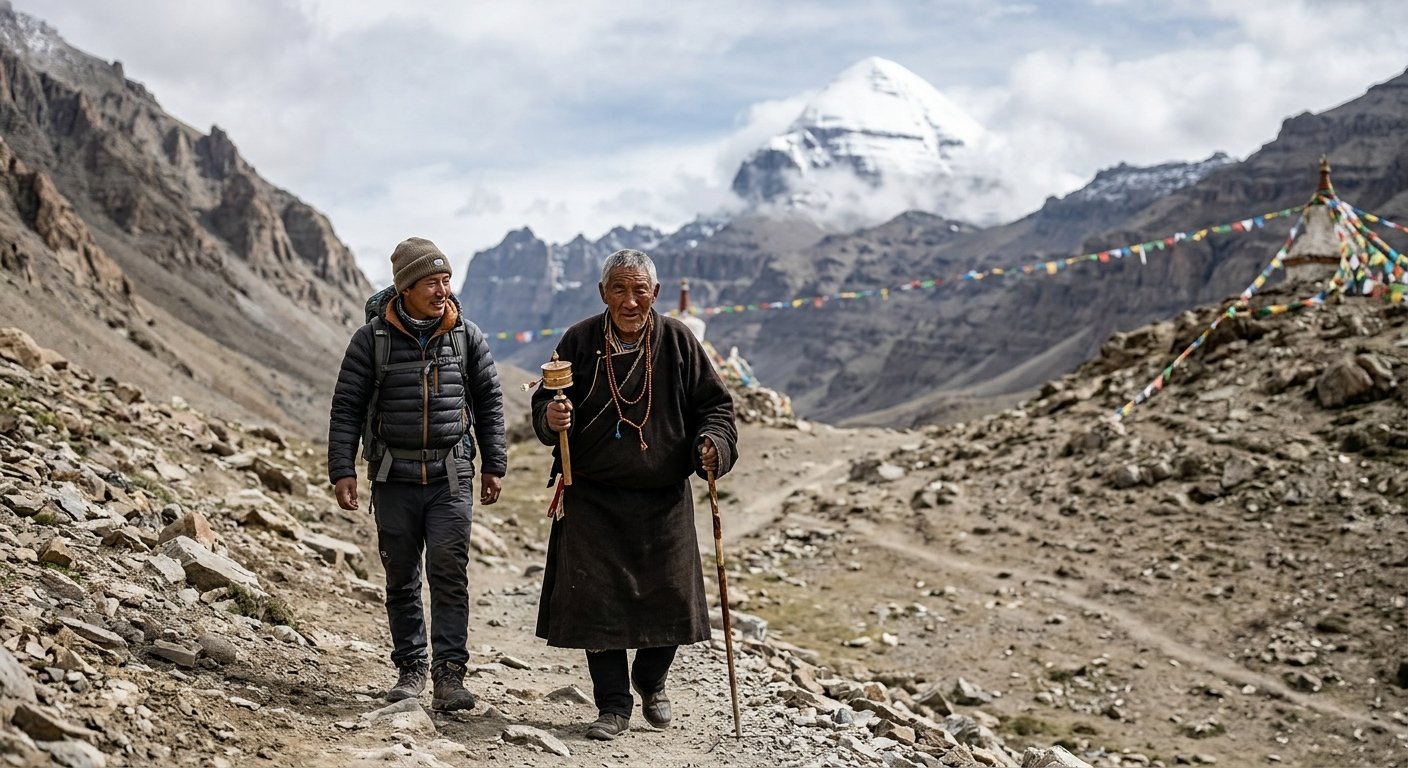
The Tibetan calendar runs on a sixty-year cycle combining twelve animals with five elements. Fire Horse — called “Me-rTa” in Tibetan — represents intense spiritual energy, transformation, and the burning away of accumulated karma. Mount Kailash itself is believed to amplify this energy during the Fire Horse cycle, making circumambulation (parikrama) exponentially more powerful in its karmic impact.
Here’s the part most people miss: this isn’t just a Tibetan belief. Hindu scriptures have long recognized certain astronomical and astrological alignments as more auspicious for pilgrimage. The Fire Horse alignment corresponds with periods when Lord Shiva’s presence at Kailash is said to be most accessible to devotees. Think of it as the difference between sending a letter and having a direct conversation. Both reach the destination, but one creates immediate connection.
During my 2014 Fire Horse journey — the last cycle — I watched a seventy-two-year-old woman from Melbourne complete the parikrama with tears streaming down her face. Not from exhaustion. From something she couldn’t name. She told me later she’d been to Kailash twice before in non-Fire Horse years. “This time,” she said, “Mahadev was listening.” That’s not data I can measure. But I’ve heard variations of that statement from enough pilgrims across two Fire Horse cycles to know something genuinely shifts.
The Tibetan Buddhist monasteries around Kailash prepare differently for Fire Horse years too. More monks. Longer ceremonies. Heightened reverence. When the local spiritual community treats a year as sacred, that cultural and devotional energy becomes part of your journey whether you planned for it or not.
The Spiritual Significance Only Devotees Experience During This Cycle
Let me be blunt: if you’re approaching Kailash as a bucket-list trek, Fire Horse won’t matter to you. This window is for devotees who understand pilgrimage as inner transformation, not outer achievement. The significance reveals itself in stages, not selfies.
The first layer is karmic purification. Hindu and Tibetan traditions both teach that one parikrama during a Fire Horse year equals multiple circumambulations in regular years. Some texts suggest twelve. Others say thirteen. The exact number is less important than the principle: your spiritual work compounds during this cycle. Sins accumulated across lifetimes — what we call sanchita karma — are believed to burn away more completely under the Fire Horse alignment.
The second layer is darshan intensity. Darshan isn’t just seeing the mountain. It’s the mountain seeing you. Devotees consistently report that their connection to Lord Shiva feels less filtered during Fire Horse years. Prayer doesn’t bounce back. It lands. I’ve seen skeptics turn into believers mid-parikrama during these cycles, and I’ve seen longtime devotees experience breakthroughs they’d been seeking for decades.
The third layer — and this one surprises people — is collective energy. Because Fire Horse years draw devotees from across the world who’ve been waiting specifically for this window, the sheer concentration of sincere spiritual intent creates an atmosphere you won’t find during off-cycle years. You’re not walking alone. You’re walking in an energetic stream of thousands who came for the exact same reason.
What changed my understanding completely was meeting a Nepali sadhu in 2002 (not a Fire Horse year) who’d completed eighteen Kailash yatras. He told me he only counted three of them as “complete” in the spiritual sense — all three during Fire Horse cycles. The other fifteen, he said, were practice. That conversation shifted how I guide pilgrims. We don’t discourage non-Fire Horse journeys, but we absolutely emphasize 2026 as the rare alignment it is.
How the 12-Year Cycle Affects Pilgrimage Timing and Sacred Opportunity
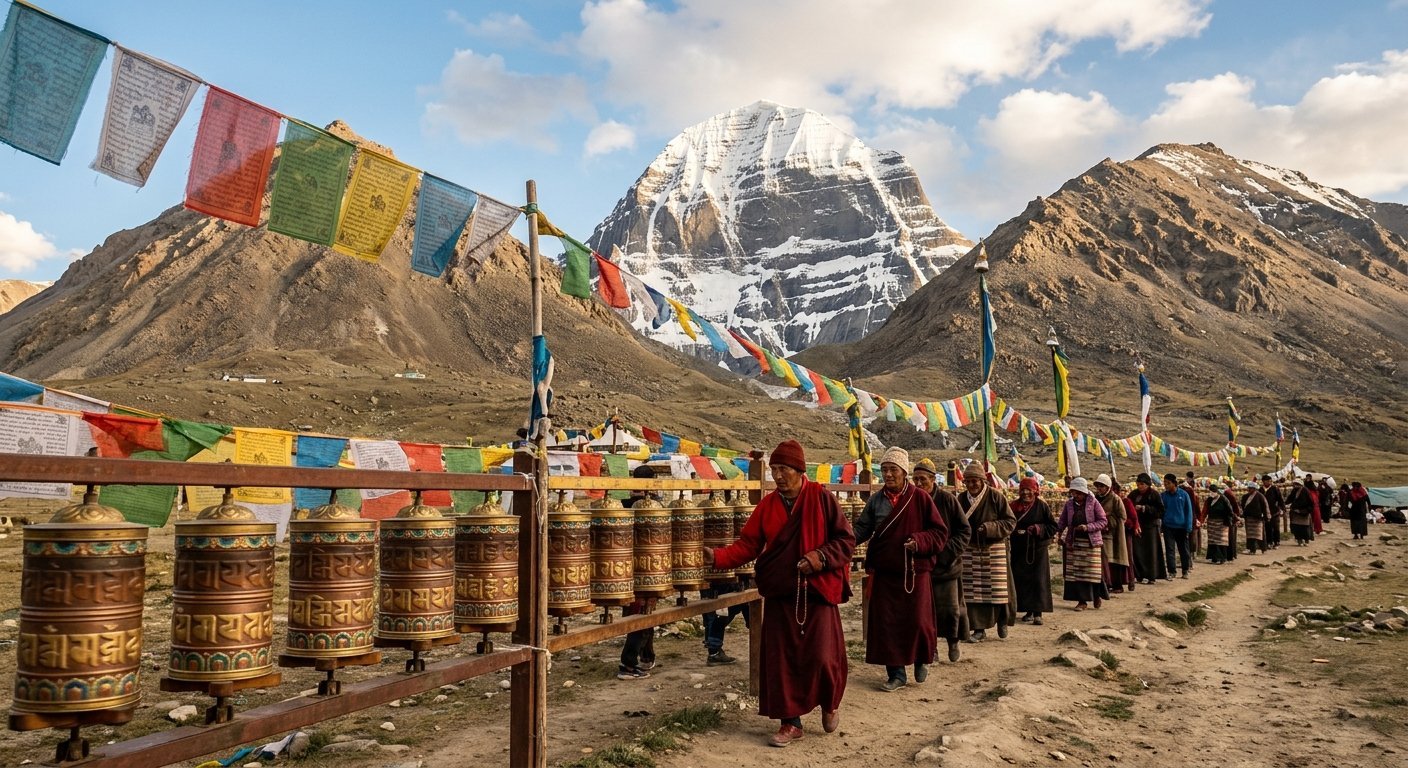
Twelve years is a long time. Long enough that many devotees only get one shot, maybe two, at a Fire Horse Kailash Yatra in their lifetime. If you’re in your sixties or seventies now, 2026 might genuinely be your only window. The next cycle is 2038. That’s the mathematics of sacred timing, and it’s unforgiving.
The twelve-year gap also means demand spikes dramatically during Fire Horse years. In 2014, we saw permit allocations fill up eight months in advance. Tour groups that normally ran small batches suddenly had waitlists. The Chinese government, which controls access through Tibet, doesn’t increase the total number of permits just because it’s a spiritually significant year. Supply stays fixed. Demand triples. You do the math.
Here’s what most pilgrims don’t plan for: the preparation window matters almost as much as the journey itself. At Kailash Pilgrim, we start preparing our Fire Horse year pilgrims a full year before departure. That’s not arbitrary. High-altitude acclimatization, physical conditioning, spiritual readiness, visa coordination for NRIs — all of this takes longer when you’re aiming for a specific, non-negotiable travel window. You can’t just shift the dates if something goes wrong with permits or health clearances. The Fire Horse window is what it is.
This cycle also affects group composition. Fire Horse years attract serious devotees, not casual travelers. That changes the energy of the journey completely. You’re less likely to encounter people treating Kailash as an Instagram backdrop. More likely to find pilgrims who’ve been planning this for years, saved specifically for this cycle, and approach the parikrama with the reverence it deserves. That peer environment matters more than most people realize. Spiritual tourism and sacred pilgrimage don’t mix well.
One thing I learned the hard way in 2002: trying to rush preparation because “it’s just another trip” leads to failed journeys. Altitude sickness. Incomplete parikrama. Medical evacuations. We had two pilgrims in that group who joined last-minute without proper prep. Neither completed the circuit. Both regretted not taking the timing seriously. For 2026, we’re not making that mistake. Everyone who travels with Kailash Pilgrim this cycle starts preparing now.
Why NRIs and Senior Citizens Should Prioritize 2026 Specifically
If you’re an NRI living in Australia, the UK, the USA, Canada, or the UAE, the logistical complexity of Kailash increases exponentially. Visa coordination across multiple countries. Permit applications that require original documents. Travel routes through Nepal or mainland China that don’t align with your passport’s home base. For most NRIs, Kailash isn’t a “maybe next year” decision. It’s a once-in-a-lifetime commitment that requires months of planning.
The Fire Horse cycle gives you a deadline that forces prioritization. I’ve worked with NRI families who talked about Kailash for a decade but never committed. The 2026 Fire Horse year became their decision catalyst. Suddenly the abstract dream had a concrete date, a sacred reason, and a non-negotiable window. That clarity cuts through the endless “we should do this someday” conversations.
For senior citizens — especially those over sixty-five — 2026 is critical for a different reason: this might genuinely be your last physically viable window. The next Fire Horse year is 2038. If you’re seventy now, you’d be eighty-two by the next cycle. Kailash doesn’t care about your fitness level. The altitude doesn’t negotiate. The parikrama is thirteen hours of walking at 19,500 feet whether you’re forty or seventy. Waiting isn’t always an option.
At Kailash Pilgrim, we’ve specialized in senior-friendly Kailash journeys precisely because we understand this timing pressure. Our 2026 Fire Horse packages include extended acclimatization days, oxygen support at every stage, Sherpa assistance for the difficult stretches, and medical backup that most operators skip. We’ve had pilgrims in their seventies complete the parikrama successfully because we didn’t rush them. But even with all that support, there’s a physical ceiling. Better to go during a Fire Horse year when you can still walk than to wait until you can’t.
One Melbourne-based devotee told me something that stuck: “I could go in 2027 or 2028 and it would be easier to get permits. But I’d be going for the wrong reason. I want the Fire Horse blessing, not just the mountain. If I wait, I’m choosing convenience over devotion.” That’s the mindset that completes Kailash yatras. The other mindset — “I’ll go whenever it works out” — usually means never.
The One-Year Preparation Framework We Use for Fire Horse Pilgrims
Let’s get practical. Here’s how you actually prepare for a Fire Horse Kailash Yatra, broken into twelve months of concrete actions. This isn’t theory. This is the exact framework Kailash Pilgrim uses with every devotee who travels with us in 2026.
Months 12-10 (Now through March 2025): Commitment and medical baseline
Step one: decide. Not “probably.” Not “if finances allow.” Decide. Register your interest with Kailash Pilgrim or whichever operator you trust. Put down a deposit. Make it real. Fire Horse permits start processing early, and the allocation window doesn’t wait for you to make up your mind.
Step two: get a full medical checkup. Heart function, lung capacity, blood pressure, glucose levels. If you’re over sixty, get a cardiac stress test. Kailash will reveal every weakness your body has. Better to know now than at 15,000 feet. We’ve had pilgrims discover manageable health issues during this phase that would’ve been trip-ending emergencies at altitude.
Step three: start spiritual preparation. Not rituals. Consistency. Daily meditation, even if it’s just ten minutes. Regular prayers to Lord Shiva. Read the stories of Kailash. Watch documentaries. Let the mountain into your consciousness slowly. The pilgrims who struggle most are the ones who try to flip a spiritual switch three days before departure.
Months 9-7 (April-June 2025): Physical conditioning and documentation
Step four: begin altitude simulation if possible. If you live near mountains, start weekend hikes above 6,000 feet. If you don’t, focus on cardiovascular endurance. Thirty-minute walks become forty-five-minute walks become hour-long walks at a pace that keeps your heart rate elevated. The parikrama isn’t technically difficult, but it’s long and relentless. Endurance matters more than strength.
Step five: submit all visa and permit documents. For NRIs, this means coordinating with your home country, India, Nepal, and China depending on your route. Kailash Pilgrim handles most of this coordination, but you still need to provide originals, passport copies, photos, and signed forms. Start this process early. Chinese permits for Tibet are notoriously slow and occasionally rejected without explanation. You want buffer time.
Step six: adjust your diet. Reduce processed foods. Increase whole grains, vegetables, lean proteins. Your body needs clean fuel. If you’re vegetarian, ensure you’re getting adequate protein and iron — both critical at altitude. We’ve seen pilgrims struggle not because they were unfit but because their nutrition baseline was poor.
Months 6-4 (July-September 2025): Acclimatization training and spiritual deepening
Step seven: do a trial high-altitude trek if at all possible. Ladakh. Nepal’s Annapurna Base Camp. Even a weekend in Colorado or the Swiss Alps if you’re based in the USA or Europe. You need to know how your body responds to thin air before Kailash. Altitude sickness is unpredictable, but knowing your baseline response gives you — and your medical team — critical data.
Step eight: deepen your Shiva practice. Fast on Mondays. Attend Shiva temples regularly. Recite the Shiva Chalisa or Maha Mrityunjaya Mantra daily. This isn’t about being “religious enough.” It’s about aligning your intent. Kailash responds to devotion, not tourism. The pilgrims who experience the most profound transformations are the ones who spent months before the journey cultivating that devotional frequency.
Step nine: attend pre-yatra preparation sessions. At Kailash Pilgrim, we run virtual and in-person sessions starting nine months before departure. You’ll meet your fellow pilgrims, learn about the route, understand what each day involves, and ask questions. Solo preparation is fine, but shared preparation builds trust and camaraderie that matters deeply during the hard stretches of parikrama.
Months 3-1 (October-December 2025): Final logistics and mental readiness
Step ten: finalize all travel logistics. Flights. Route confirmation (Kathmandu or mainland route). Travel insurance that explicitly covers high-altitude pilgrimage. Equipment checklist — proper boots, layered clothing, trekking poles, personal medication, water purification. We provide a detailed packing list, but you need to acquire and test everything months in advance, not days.
Step eleven: do a mental walkthrough of the journey. Read detailed accounts. Understand what the Dolma La Pass will feel like. Know that day five is the hardest. Visualize yourself completing the parikrama, not as fantasy but as preparation. Your mind quits before your body does at altitude. Mental toughness isn’t natural for most people. It’s trained.
Step twelve: make peace with your life before you go. This sounds dramatic, but it’s practical. Kailash changes people. Priorities shift. Relationships clarify. Some pilgrims return and immediately make life changes they’d been avoiding for years. Others simply feel released from internal burdens they didn’t know they carried. Before you go, ensure your affairs — financial, familial, professional — are settled enough that you can be fully present at Kailash, not mentally tied to problems back home.
Common Mistakes Devotees Make When Rushing Fire Horse Preparations
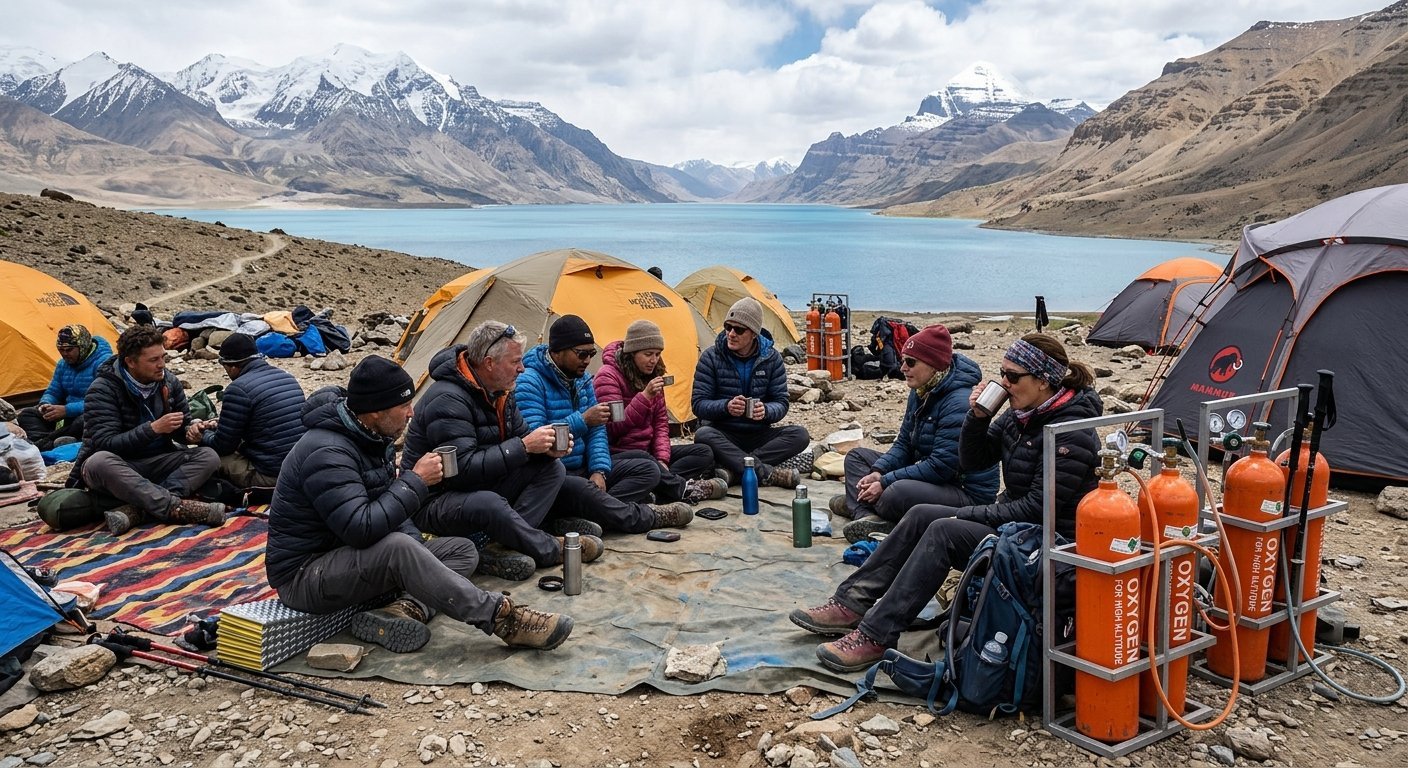
Here’s what I see every single Fire Horse cycle: devotees who wait until six months before departure and then panic. They treat sacred pilgrimage like a beach vacation. Book last minute. Skip acclimatization. Assume devotion alone will carry them through altitude sickness. It doesn’t.
Mistake one: underestimating permit complexity for NRIs. If you hold an Australian, UK, or USA passport, your Tibet permit goes through different channels than Indian citizens. The processing time is longer. The rejection rate is higher. The documentation requirements are stricter. Waiting until Q1 2026 to start this process almost guarantees you’ll miss the window entirely. I’ve seen it happen too many times.
Mistake two: ignoring physical preparation because “I walked Camino” or “I did Everest Base Camp.” Neither of those involves sustained exertion at 18,000-19,000 feet combined with spiritual and emotional intensity. Kailash is its own category. The altitude is relentless, the weather is unpredictable, and the parikrama doesn’t allow for “I’ll take it easy tomorrow” adjustments. You walk the circuit in three days regardless of how you feel.
Mistake three: joining the cheapest operator. Fire Horse years bring out budget tour companies trying to cash in on the spiritual surge. They cut corners on acclimatization days, oxygen support, Sherpa assistance, and medical backup. You save $2,000 upfront. You risk your life and waste your once-in-twelve-years opportunity. At Kailash Pilgrim, we’re not the cheapest option. We’re the safe option built for devotees who take this seriously, especially NRIs and seniors who can’t afford to gamble with logistics or health support.
Mistake four: treating 2026 as “just in case I can’t go later.” The Fire Horse year isn’t a backup plan. It’s the plan. The devotees who approach it half-committed often pull out months before departure when something more convenient comes up. Then they regret it for the next twelve years. I still get emails from people who skipped 2014 and are now too old or unwell for 2026. Commitment matters.
Mistake five: skipping spiritual preparation entirely. You can be physically ready and still fail the yatra. I’ve seen ultra-fit trekkers quit mid-parikrama not because their bodies failed but because their minds couldn’t handle the intensity. Kailash isn’t about conquering a mountain. It’s about surrendering to one. If you haven’t cultivated that mindset through months of meditation, prayer, and reflection, the journey will break you.
What the 2026 Mahakumbh and Fire Horse Alignment Really Means
Here’s a convergence most pilgrims don’t realize: 2026 is also Mahakumbh year in Prayagraj, India. The Mahakumbh happens once every twelve years, just like the Fire Horse cycle. Having both alignments in the same year is extraordinarily rare and spiritually significant for Hindu devotees. The cosmic energy that amplifies both events simultaneously creates what many sadhus and spiritual teachers call a “once-in-a-lifetime alignment.”
If you’re planning both — Mahakumbh earlier in 2026 and Kailash Yatra later in the year — you’re stepping into a level of spiritual commitment that’s uncommon even among serious devotees. But here’s the logistics trap: many pilgrims try to do both back-to-back and exhaust themselves. Mahakumbh in January-February. Kailash in May-June. That’s four months between two of the most physically and spiritually demanding pilgrimages on earth.
At Kailash Pilgrim, we advise spacing them if your schedule allows. Do Mahakumbh early in the year. Return home. Resume normal life for a couple months. Then begin your Kailash preparation cycle in earnest. Treat them as separate sacred journeys, not a spiritual marathon. Your body and mind need recovery time, especially if you’re over sixty.
The other consideration: permit availability tightens in Fire Horse years precisely because of this dual alignment. Indian pilgrims who attend Mahakumbh often prioritize Kailash the same year. Chinese authorities are aware of this pattern and occasionally restrict permit allocations to manage crowd flow. Starting your application process early — ideally by mid-2025 — gives you buffer room if initial submissions get delayed or rejected.
One thing I’ve learned across multiple Mahakumbh and Kailash cycles: the devotees who complete both in the same year describe a spiritual arc that feels complete. Mahakumbh for purification and collective immersion in faith. Kailash for individual reckoning and direct communion with Mahadev. Together, they form a journey structure that’s greater than either alone. But only if you prepare for both seriously, not just show up hoping devotion will compensate for poor planning.
How Kailash Pilgrim Prepares You Differently for the Fire Horse Journey
Full transparency: we built our entire 2026 program around Fire Horse, not around maximizing trip volume. That means smaller groups. Longer prep windows. Higher standards for who we accept. We’re not trying to fill buses. We’re trying to ensure every single devotee who travels with us completes the parikrama safely and experiences the spiritual depth this cycle offers.
Our preparation starts twelve months before departure with one-on-one consultations. We assess your health, fitness, spiritual readiness, and logistical situation. If you’re an NRI in the UAE with an Indian passport, your route and permit process look completely different from a UK-based NRI with a British passport. We map that out early so there are no surprises six months later.
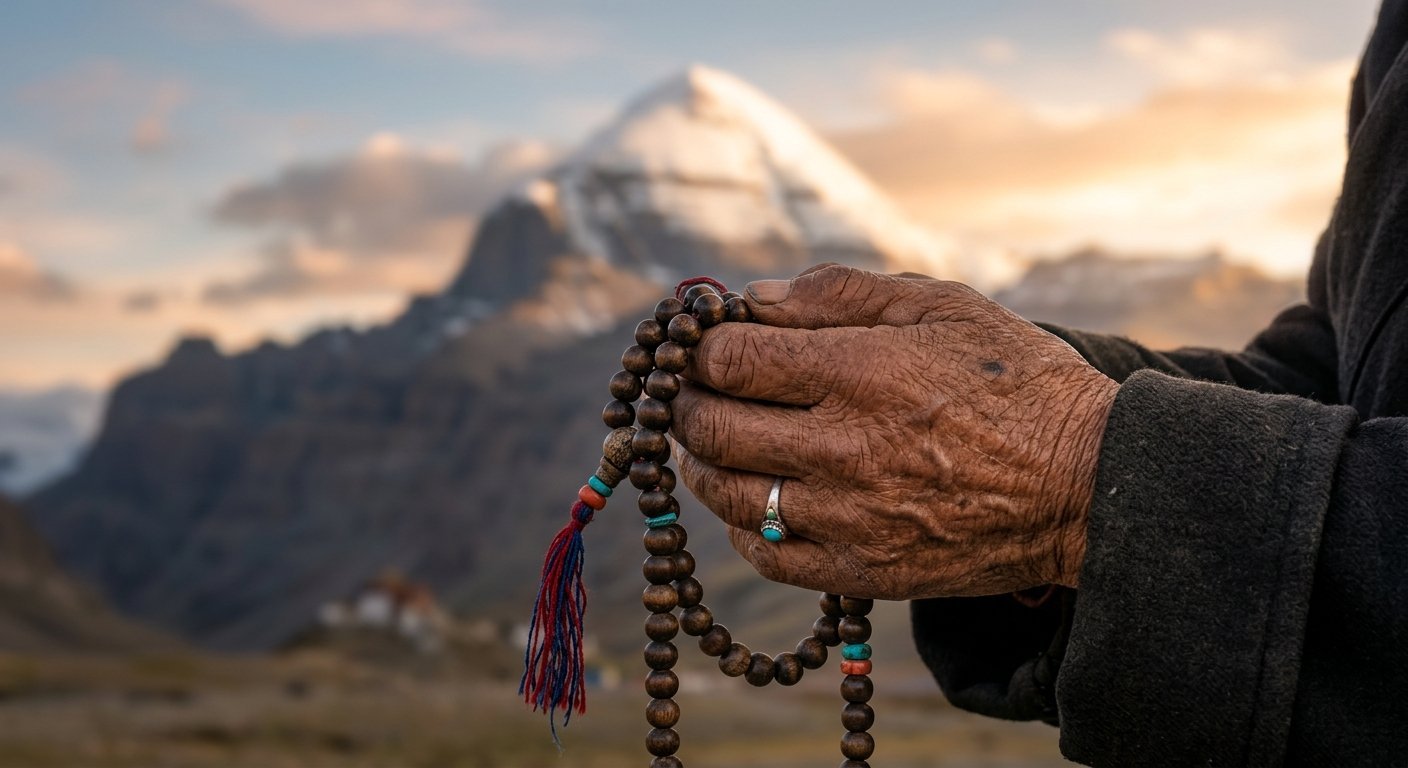
We’ve built partnerships with medical teams in Kathmandu, Lhasa, and along the parikrama route itself. Oxygen cylinders at every camp. Pulse oximeters checked twice daily. A doctor who’s completed Kailash travels with our groups. This isn’t standard across operators. Most budget tours assume you’ll be fine and scramble when someone isn’t. We assume altitude is dangerous and prepare accordingly.
Our spiritual guidance is led by devotees who’ve completed multiple Kailash yatras, including previous Fire Horse cycles. We’re not sending guides who memorized a script. We’re sending practitioners who understand what you’re experiencing because they’ve lived it themselves. When you’re struggling at Dolma La, the person helping you has stood in that exact spot and faced the same moment of doubt. That peer credibility matters.
Our NRI specialization means we handle the complexity you’d otherwise navigate alone. Visa coordination across multiple countries. Permit applications submitted through the correct channels for your passport type. Travel insurance vetted for high-altitude pilgrimage coverage. Currency exchange and emergency contact protocols that account for time zone differences when your family is in Melbourne and you’re in Tibet. These details sound minor until they’re not.
What we don’t do: rush you. Our 2026 Fire Horse itineraries include two extra acclimatization days that most operators skip. Yes, that makes the trip slightly longer and more expensive. It also dramatically reduces altitude sickness and increases parikrama completion rates. I’d rather you spend fourteen days and finish successfully than twelve days and get evacuated from Dolma La.
Frequently Asked Questions
Is the 2026 Fire Horse Year Kailash Yatra more difficult than regular year journeys?
No, the physical difficulty is identical. Same altitude, same terrain, same parikrama route. The difference is spiritual significance and permit demand, not physical challenge. However, Fire Horse years tend to attract more devoted pilgrims, which can mean a slightly older or less fitness-focused demographic. If you’re physically capable of Kailash in a regular year, you’re capable during Fire Horse. The prep timeline is longer because you can’t afford to miss this specific window due to poor planning.
Can I still join a 2026 Fire Horse Kailash Yatra if I start preparing now in early 2025?
Yes, but your window is closing fast. Permits for Fire Horse years typically allocate by mid-2025. At Kailash Pilgrim, we’re still accepting devotees through March 2025 for our 2026 groups, but spots are limited and conditional on completing our medical and fitness screening. If you’re an NRI, start your visa and permit documentation immediately. If you’re based in India, you have slightly more flexibility, but don’t wait past April 2025.
What makes Kailash Pilgrim better for NRIs than other tour operators?
Founder-led experience and logistical specialization. I’ve navigated the NRI permit maze for twenty years across Australian, UK, USA, and Canadian passports. We know which consulates process faster, which documents need notarization, and which routes are least likely to hit permit delays. We also provide pre-departure coordination calls across time zones, 24/7 emergency contacts, and travel insurance vetting specific to international pilgrims. Most India-based operators treat NRI logistics as an afterthought. For us, it’s core competency.
If I’m over seventy, is 2026 my last realistic chance for a Fire Horse Kailash Yatra?
Almost certainly, yes. The next Fire Horse cycle is 2038. If you’re seventy now, you’d be eighty-two then. Very few people maintain the cardiovascular and musculoskeletal fitness required for Kailash into their eighties. At Kailash Pilgrim, our oldest successful pilgrim was seventy-nine, and that required extraordinary preparation and on-ground support. If you’re currently in your late sixties or seventies and medically cleared, 2026 is your window. Waiting means accepting you’ll likely never experience Fire Horse Kailash in this lifetime.
Your Sacred Window Is Open — But Not for Long
The Fire Horse alignment doesn’t wait. It doesn’t extend. It doesn’t offer makeup dates. May through June 2026. That’s your window. Roughly forty-five days when the cosmic, spiritual, and astrological conditions converge in a way they won’t again until 2038.
If you’ve read this far, you already know whether this is your calling. You felt it before you started reading. The question isn’t whether to go. The question is whether you’ll prioritize it enough to actually make it happen.
At Kailash Pilgrim, we’ve seen both outcomes. Devotees who committed twelve months early, prepared properly, completed the parikrama, and returned transformed. And devotees who waited, hesitated, let logistics overwhelm them, and missed the window. The latter group always regrets it. Always.
We’re accepting final registrations for our 2026 Fire Horse Kailash Yatra through March 2025. After that, permits close and preparation time runs too short for safety. If you’re an NRI in Australia, the UK, the USA, or anywhere else, if you’re a senior citizen who knows this might be your last viable chance, if you’re a devoted follower of Lord Shiva who’s been feeling that pull toward Kailash — this is the moment.
Visit Kailash Pilgrim’s website, schedule a consultation, and start your one-year preparation journey. Or wait twelve years and hope you’re still physically able.
The Fire Horse doesn’t wait. Neither should you.