
A woman stood at the base of Mount Kailash in 2023, crying. Not from exhaustion — though she had every right to — but because she’d spent two years preparing for this moment and still felt completely unprepared. Her name was Priya, a 52-year-old devotee from Mumbai. She’d trained physically. She’d read everything online. But nothing prepared her for the reality of standing at 15,000 feet, watching the snow-capped peak emerge from clouds, knowing the hardest part was still ahead. That gap between reading about the Kailash Mansarovar Yatra and actually doing it? That’s what this guide exists to close.
I’m Shalini Patel. I’ve completed the Kailash Parikrama 20 times since 1996. Not as a trekker or adventurer — as a pilgrim and now as a guide helping others complete theirs. I’ve watched hundreds of first-timers navigate this journey. Some sail through. Others struggle with things they never saw coming. The difference isn’t always fitness or devotion. It’s preparation that accounts for what the journey actually demands, not what it looks like in photos.
This isn’t a tourism guide. It’s a field manual written from 28 years on the ground, watching what works and what doesn’t when real people — office workers, homemakers, retired professionals — attempt one of the toughest pilgrimages on earth.
Why First-Time Pilgrims Struggle (and How to Avoid It)
Most first-timers underestimate two things: altitude and isolation. You can train for endurance. You can’t simulate what your body does when oxygen drops by 40 percent. And you can’t prepare emotionally for being five days away from a proper hospital when something goes wrong.
Here’s what I see repeatedly. A pilgrim arrives fit, confident, ready. Day two at Mansarovar, they’re doubled over with altitude sickness. Not because they skipped training — because they rushed acclimatization. The itinerary said one day, they thought that was enough. It’s not. Your body doesn’t care what the schedule says. It needs time to adjust, and if you don’t give it that time, the mountain will force you to take it lying down.
The other mistake? Underestimating the cold. April and May are considered ideal months for the Kailash Mansarovar pilgrimage, but nights still drop below freezing. I’ve seen pilgrims pack for a hill station holiday. They arrive with cotton layers and running shoes. Both useless. The terrain demands ankle support. The wind cuts through anything that isn’t windproof. And once you’re cold at altitude, warming up is nearly impossible because your body is already working overtime just to function.
The good news? These aren’t random problems. They’re predictable. And if you know they’re coming, you can handle them.
What the Kailash Mansarovar Yatra Actually Involves
The yatra isn’t one activity. It’s three distinct experiences, each with different demands.
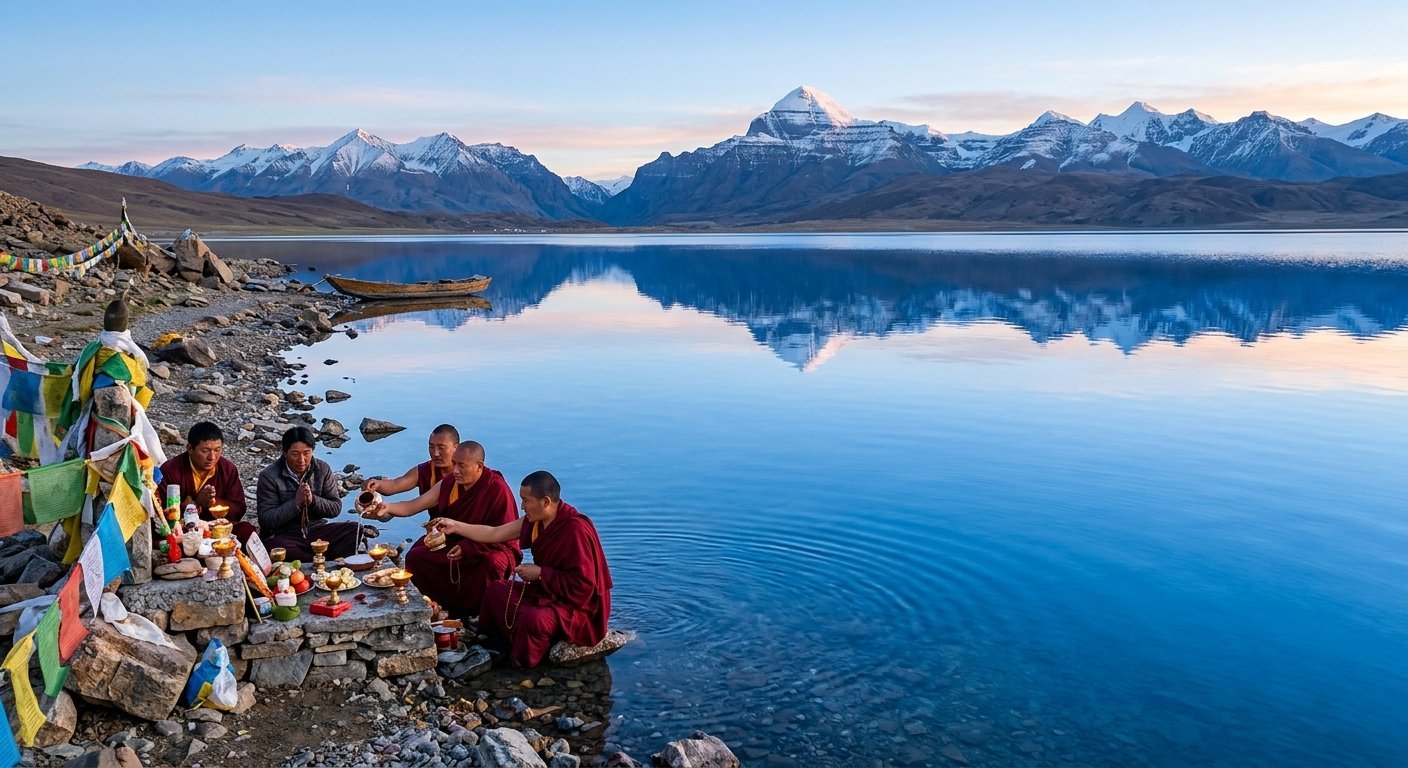
First, the journey to Mansarovar Lake. You’ll cross the Nepal-Tibet border, drive through high-altitude desert, and spend a night at the lake performing puja and taking a holy dip. The lake sits at 4,590 meters. Many pilgrims feel the altitude here for the first time — headaches, nausea, trouble sleeping. This is your body’s warning system. Listen to it.
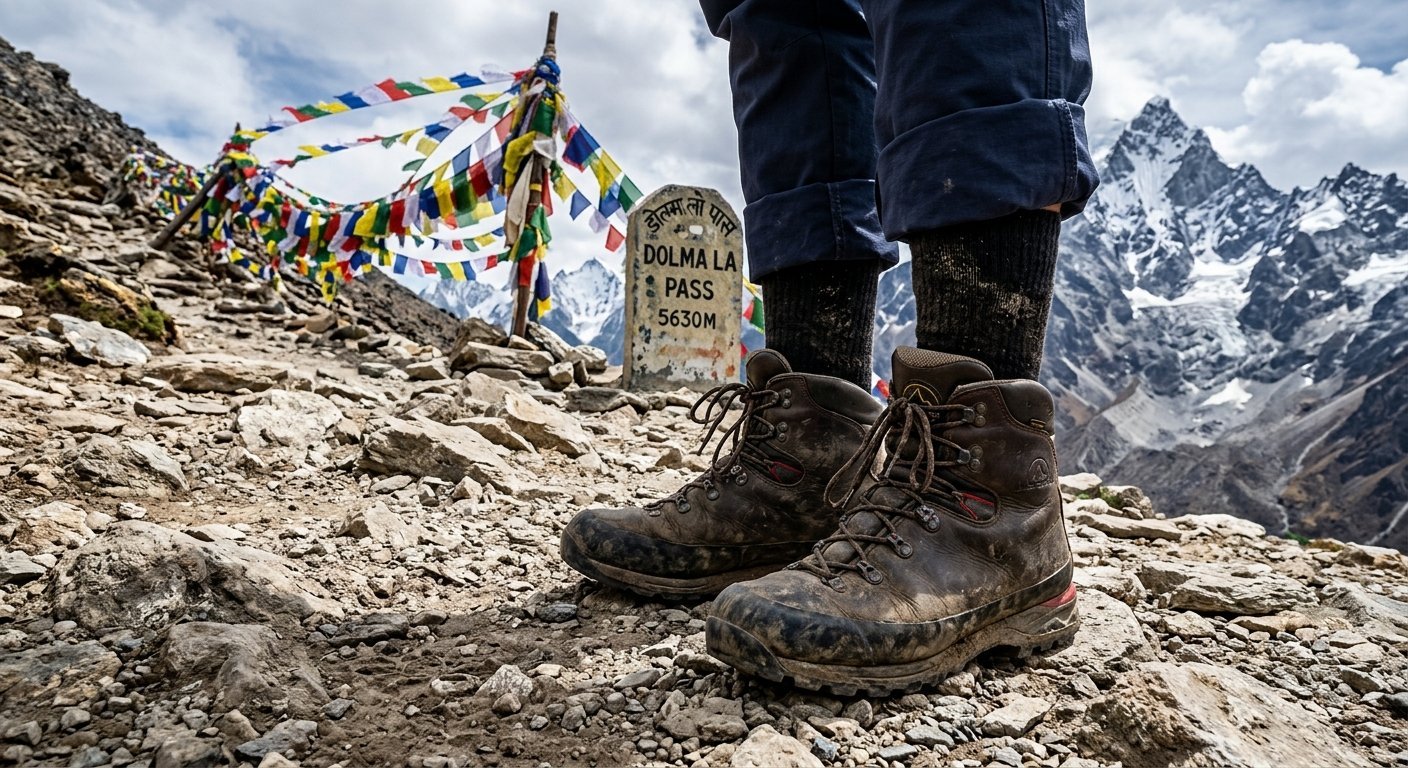
Second, the Mount Kailash Parikrama. This is the 52-kilometer circumambulation around the mountain, typically completed over three days. Day one is a gentle climb to Diraphuk. Day two crosses the Dolma La Pass at 5,630 meters — the highest point and the hardest day physically. Day three descends to Darchen. The terrain varies from rocky trails to snowfields. Weather can shift in minutes. This portion separates the prepared from the hopeful.
Third, the return journey. By now you’re exhausted, altitude-battered, and mentally spent. The drive back feels longer than it did coming in. This is when small health issues — blisters, stomach trouble, dehydration — become serious problems if ignored earlier.
The entire yatra typically takes 12 to 14 days depending on your route and acclimatization schedule. Some operators offer helicopter options that cut time but skip crucial acclimatization stops. I don’t recommend them for first-timers. Speed isn’t your friend at altitude.
Choosing Your Route: Kathmandu vs Lucknow
Two main routes dominate. The Kathmandu route via Nepal and the Lucknow route through Uttarakhand. Each has trade-offs.
The Kathmandu route is more popular. You fly to Kathmandu, drive to the Tibet border, and continue overland to Mansarovar. The advantage? Better acclimatization. You gain altitude gradually over several days. The road is rough but manageable. The disadvantage? Longer travel time. Expect 10 to 12 hours in a vehicle on some days. If you struggle with motion sickness, bring medication.
The Lucknow route goes through Uttarakhand, crossing at Lipulekh Pass. It’s shorter in distance but steeper in altitude gain. You ascend faster, which increases altitude sickness risk. The terrain is spectacular — you’ll pass through Pithoragarh and Dharchula — but medical facilities are sparse once you cross into Tibet. This route works if you’ve trekked at high altitude before and know how your body responds. For first-timers, the Kathmandu route is safer.
Kailash Pilgrim operates primarily via Kathmandu. We’ve used this route for 28 years because it gives the body time to adjust. Rushing altitude acclimatization to save two days isn’t worth the risk.
The One-Year Preparation Program (Why It Matters)
When someone asks to join our yatra with two months of notice, I say no. Not because they can’t pay. Because they can’t prepare properly. The Kailash Mansarovar Yatra isn’t a weekend trek. It’s a high-altitude endurance event in a remote region with zero safety net. If something goes wrong, evacuation takes days. Prevention is your only real protection.
Our one-year preparation program covers three areas: physical fitness, altitude readiness, and mental resilience.
Physical fitness means cardiovascular endurance and leg strength. You need to walk 8 to 10 kilometers comfortably, carrying a daypack, without feeling destroyed afterward. That’s the baseline. We recommend training walks every weekend, gradually increasing distance and adding elevation gain where possible. Stairs work if you live in a flat area. The goal isn’t to become an athlete — it’s to build a baseline so the trek doesn’t wreck you on day one.
Altitude readiness is harder to train because you can’t simulate it at sea level. What you can do is improve your overall health. Quit smoking if you smoke. Lose excess weight. Get your heart and lungs checked. Any underlying condition — hypertension, asthma, diabetes — needs to be stable and managed before you go. We’ve had pilgrims clear medical checks, arrive at altitude, and discover their medication stops working in low oxygen. That’s terrifying. Discuss the yatra with your doctor. Bring extra medication. Know your limits.
Mental resilience is the part nobody talks about. The parikrama is physically hard, yes, but the mental challenge is worse. You’ll be cold, tired, possibly in pain, walking for hours with nothing but your thoughts. Some pilgrims find this meditative. Others panic. Spiritual preparation — daily meditation, mantra practice, building mental endurance — matters as much as the physical side. This isn’t a motivational cliché. It’s the difference between finishing the parikrama with grace and barely surviving it.
What to Pack (and What to Leave Behind)
Packing for the Kailash Mansarovar Yatra is an exercise in restraint. You need enough to survive harsh conditions. You also need to carry it, and every extra kilo becomes dead weight at altitude.
Start with layers. Base layer: thermal wear, merino wool preferred. Mid layer: fleece or down jacket. Outer layer: windproof and waterproof jacket with a hood. Don’t skimp on the outer layer. Wind at Dolma La feels like it’s cutting through skin. A cheap jacket won’t hold up.
Footwear matters more than anything else. You need waterproof trekking boots with ankle support. Break them in for at least a month before the yatra. Blisters at altitude don’t heal — they get worse. Bring blister pads, antiseptic cream, and a second pair of lighter shoes for camp. Never attempt the parikrama in new boots or running shoes. I’ve seen that mistake end yatras on day one.
Other essentials: sleeping bag rated for minus 10 degrees Celsius, headlamp with extra batteries, water bottles (insulated if possible), sunglasses with UV protection, sunscreen SPF 50 or higher, lip balm, basic first-aid kit, personal medications, dry snacks, electrolyte powder. Also pack wet wipes — you won’t get daily showers — and toilet paper, because Tibetan facilities don’t provide it.
What to leave behind? Cotton clothing, heavy books, fancy cameras you’re not willing to risk, jewelry, more than two pairs of clothes, anything you’d be upset about losing. Keep luggage under 15 kilos if possible. You’re not staying at a resort. Simplicity is survival.
Managing Altitude Sickness (the Real Enemy)
Altitude sickness isn’t something that happens to other people. It happens to everyone eventually if you go high enough. The question is whether you recognize it and respond correctly.
Symptoms start mild: headache, nausea, dizziness, trouble sleeping, loss of appetite. This is acute mountain sickness, or AMS. It’s manageable if you stop ascending and let your body catch up. Most pilgrims experience mild AMS around Mansarovar. It’s uncomfortable but not dangerous if you rest, hydrate, and don’t push higher until symptoms ease.
The danger is ignoring symptoms. AMS can progress to high-altitude pulmonary edema or high-altitude cerebral edema. Both are life-threatening. Warning signs include severe breathlessness at rest, coughing up frothy sputum, confusion, inability to walk straight. If you see these signs in yourself or another pilgrim, descend immediately. Not tomorrow. Now. Descent is the only treatment that works.
Prevention starts before you leave home. Arrive in Kathmandu a day early. Let your body adjust to 1,400 meters before heading higher. Once in Tibet, follow the acclimatization schedule exactly. Don’t skip rest days. Don’t rush ahead because you feel fine. The effects of altitude are cumulative. You might feel great at 4,500 meters and crash at 5,000 meters. Slow is safe.
Hydration helps. Aim for 4 to 5 liters of water daily. Dehydration amplifies altitude symptoms. Avoid alcohol completely — it worsens dehydration and impairs acclimatization. Some pilgrims take Diamox, a medication that helps prevent AMS. Discuss this with your doctor before the trip. It’s not a magic fix, but it does help some people.
Kailash Pilgrim builds extra acclimatization days into every itinerary. It costs more time. It reduces altitude sickness by half. Worth it.
The Parikrama Day-by-Day (What Actually Happens)
Day one of the parikrama starts at Darchen, a small Tibetan settlement at the base of Kailash. You’ll walk 20 kilometers to Diraphuk, gaining 400 meters in elevation. The trail is gradual, mostly flat with gentle climbs. This is the easiest day physically. Use it to settle into your pace. Don’t race ahead. Save energy for day two.
Accommodation at Diraphuk is basic — guesthouses with shared dormitories, no heating, squat toilets. It’s cold. You’ll sleep in your clothes. Most pilgrims barely sleep because of altitude and excitement. That’s normal. Rest anyway.
Day two is Dolma La day. You’ll climb 1,100 meters to the pass, then descend 600 meters to Zuthulphuk. Total distance is only 18 kilometers, but the elevation gain wrecks people. The climb to Dolma La is steep, rocky, and relentless. You’ll stop every few steps to breathe. Your legs will burn. Your head will pound. This is where mental preparation matters. Keep moving. One step, then another. The pass itself is marked with prayer flags. Pilgrims leave offerings and take a moment before descending.
The descent is worse than the climb for your knees. Trekking poles help. Walk slowly. The trail is loose rock and snow. Injuries happen here — twisted ankles, falls, exhaustion. Don’t rush.
Day three is the easiest. You’ll walk 14 kilometers from Zuthulphuk back to Darchen, mostly downhill. Your body is battered but the end is in sight. Most pilgrims feel a mix of relief and sadness. The parikrama is over. You’ve completed something most people only dream about.
Sattvic Meals and Dietary Challenges
Food at altitude is limited. Tibetan guesthouses serve basic meals — rice, noodles, vegetables, occasionally eggs. Meat is available but we don’t recommend it. Digestion slows at altitude, and heavy food makes it worse. Kailash Pilgrim provides 100 percent Sattvic meals throughout the yatra. That means vegetarian, no onion, no garlic, prepared with intention.
This isn’t a dietary preference. It’s practical. Sattvic food is easier to digest, keeps energy stable, and aligns with the spiritual purpose of the journey. Pilgrims on our yatras consistently report fewer stomach problems compared to those eating whatever’s available.
Bring dry snacks. Nuts, energy bars, dried fruit, glucose tablets. You’ll need quick energy during the trek, and hot meals aren’t always available when you need them. Avoid anything that requires refrigeration. Stick to packaged, sealed items.
Water is tricky. Tap water isn’t safe. Bottled water is available in larger towns but scarce on the trail. Bring purification tablets or a filter bottle. Boiled water is usually available at guesthouses — let it cool and refill your bottles each night.
The 2026 Tibetan Horse Year (Why It Matters)
Every 12 years, the Tibetan calendar marks the Year of the Horse. In Tibetan Buddhism, this is considered the most auspicious time to complete the Kailash Parikrama. One parikrama during the Horse Year is believed to equal 13 parikramas in other years. The next Horse Year begins in 2026.
This isn’t marketing. It’s a centuries-old tradition. The result? Demand for the Kailash Mansarovar Yatra in 2026 is already triple what we saw in 2025. Permits are limited. Accommodations are filling fast. If you’re planning to go in 2026, book now. Waiting until late 2025 means you’ll likely miss out.
Kailash Pilgrim is already running wait-lists for 2026 batches. We keep groups small — 12 to 15 pilgrims maximum — because safety and personal attention matter more than volume. Larger groups move slower, face more logistical issues, and dilute the experience. If you’re serious about 2026, reach out sooner rather than later.
Common Mistakes First-Time Pilgrims Make
Mistake one: arriving without travel insurance. The yatra costs significant money. Medical evacuation from Tibet costs even more. Comprehensive travel insurance that covers high-altitude trekking is non-negotiable. Read the policy carefully. Some policies exclude activities above 5,000 meters. Get one that doesn’t.
Mistake two: skipping pre-departure medical checks. You might feel healthy. That doesn’t mean you are. Get a full physical. ECG, lung function test, blood work. If you’re over 50, a stress test is worth it. The time to discover a heart condition isn’t at 5,500 meters.
Mistake three: ignoring small injuries. A blister on day one becomes infected by day three. A sore knee becomes unbearable by Dolma La. Address problems immediately. Carry a first-aid kit and know how to use it. If something feels wrong, speak up. Guides can help, but only if they know there’s a problem.
Mistake four: treating this as a vacation. The Kailash Mansarovar Yatra is a pilgrimage. The mindset matters. Pilgrims who approach it with reverence, patience, and humility have better experiences. Those who treat it as a bucket-list item to brag about struggle with the discomfort and hardship. This isn’t Instagrammable adventure travel. It’s a spiritual journey that happens to be physically brutal.
Choosing the Right Tour Operator
Not all Kailash Yatra operators are equal. Some prioritize profit. Others prioritize safety. The difference shows up when things go wrong.
Look for operators with a long safety record. How many years have they been running yatras? How many batches per year? What’s their emergency protocol? Do they carry oxygen cylinders, medical kits, satellite phones? Do they have on-ground support staff in Tibet, or do they outsource everything to local agents?
Check group size. Smaller groups get better care. Anything over 20 pilgrims becomes logistically messy. Individual needs get overlooked. Problems take longer to address.
Ask about acclimatization schedules. Operators who compress the itinerary to save costs are gambling with your health. Proper acclimatization takes time. If an operator promises a 10-day yatra, they’re cutting corners.
Kailash Pilgrim has led yatras since 1996. I’ve personally completed 20 parikramas. We don’t rush. We don’t overbook. We don’t skip acclimatization. Every batch includes experienced guides who’ve been to Kailash dozens of times. That’s not marketing. That’s the standard you should demand from any operator.
Permits, Paperwork, and Practical Details
The Kailash Mansarovar Yatra requires a Chinese visa and a Tibet Travel Permit. Your tour operator handles this, but you’ll need to provide documents well in advance: passport copies, photos, medical certificates, travel insurance proof. Processing takes 4 to 6 weeks. Don’t leave it to the last minute.
Indian citizens need an Overseas Citizen of India card if applicable, and all pilgrims need to follow current Tibet entry regulations, which change periodically. Kailash Pilgrim manages all permit applications for our pilgrims, but you need to provide accurate documents on time.
Currency: carry Chinese yuan for small purchases. Credit cards don’t work in most of Tibet. ATMs are unreliable. Bring cash in small denominations.
Connectivity: don’t expect mobile networks or Wi-Fi. Some guesthouses in larger towns have sporadic internet. On the parikrama trail, you’re completely off-grid. Inform family before you leave that they won’t hear from you for days. That’s part of the experience.
What Happens After (the Real Transformation)
Here’s what nobody tells you. The hardest part of the Kailash Mansarovar Yatra isn’t the climb. It’s coming home.
You’ll return physically exhausted and mentally altered. The world you left — your job, your routine, your worries — will feel distant and strange. Some pilgrims describe it as reverse culture shock. You’ve spent two weeks in silence and simplicity, focused on something greater than yourself. Then you land in a city, check your phone, and the noise crashes back in.
Give yourself time to process. Don’t rush back to work. Don’t expect to slot back into normal life immediately. The yatra changes people. Not always in obvious ways. But you’ll notice it in how you respond to stress, what you prioritize, how you see challenges. That shift is the real gift of the journey.
Many pilgrims keep in touch after the yatra. We see this in our Kailash Pilgrim community — people who travelled together years ago still meet, share experiences, support each other. The bonds formed at altitude last longer than most friendships.
Frequently Asked Questions
Is the Kailash Mansarovar Yatra safe for someone over 60?
Age isn’t the deciding factor — fitness is. I’ve guided pilgrims in their late 60s who completed the parikrama without issues because they trained properly and listened to their bodies. I’ve also seen 45-year-olds struggle because they arrived unfit. Get a medical clearance, train consistently for at least six months, and be honest about your limits. If your doctor clears you and you’re willing to prepare seriously, age shouldn’t stop you.
Can I do the yatra without prior trekking experience?
Yes, but you’ll need to train harder. The Kailash Mansarovar pilgrimage doesn’t require technical skills, but it does demand endurance and mental toughness. Start walking regularly at least eight months before departure. Build up to 10-kilometer walks with elevation gain. Join a trekking group if possible to get comfortable with long days on your feet. Prior experience helps, but commitment to preparation matters more.
What’s the best time of year to do the Kailash Yatra?
Late April through early June, and September. These months offer the best weather — relatively stable conditions, less snow, passable roads. July and August bring monsoon rains that make roads dangerous. Winter is impossible due to snow and extreme cold. The 2026 Tibetan Horse Year falls in this ideal window, which is why demand is so high.
How much does the Kailash Mansarovar Yatra cost?
Expect to pay between ₹2.5 lakhs and ₹4 lakhs depending on the route, group size, and services included. This covers permits, accommodation, meals, ground transport, and guide services. It doesn’t include flights to Kathmandu or Lucknow, travel insurance, personal gear, or tips. Cheaper packages often cut corners on safety or acclimatization. This isn’t a trip to bargain-hunt. Pay for experience and proper support.
Start Your Kailash Journey the Right Way
The Kailash Mansarovar Yatra isn’t for everyone. It’s physically demanding, mentally challenging, and requires months of preparation. But for those willing to put in the work, it’s one of the most profound experiences you’ll ever have.
If you’re considering the 2026 Horse Year yatra, now’s the time to commit. Permits are limited. Preparation takes a full year. And the window for bookings is closing faster than most people realize.
Kailash Pilgrim has been guiding pilgrims to Mount Kailash since 1996. We know the routes. We know the risks. And we know how to get you there safely and bring you back transformed. Our one-year preparation program, small batch sizes, and 100 percent Sattvic meal commitment set us apart from operators who treat this as just another tour.
If you’re ready to begin this journey, reach out. We’ll walk you through the preparation process, answer your questions honestly, and help you decide if this is the right time. The mountain isn’t going anywhere. But the 2026 Horse Year only comes once every 12 years.
Contact Kailash Pilgrim today to discuss your Kailash Mansarovar Yatra. The journey of a lifetime starts with a single decision.