
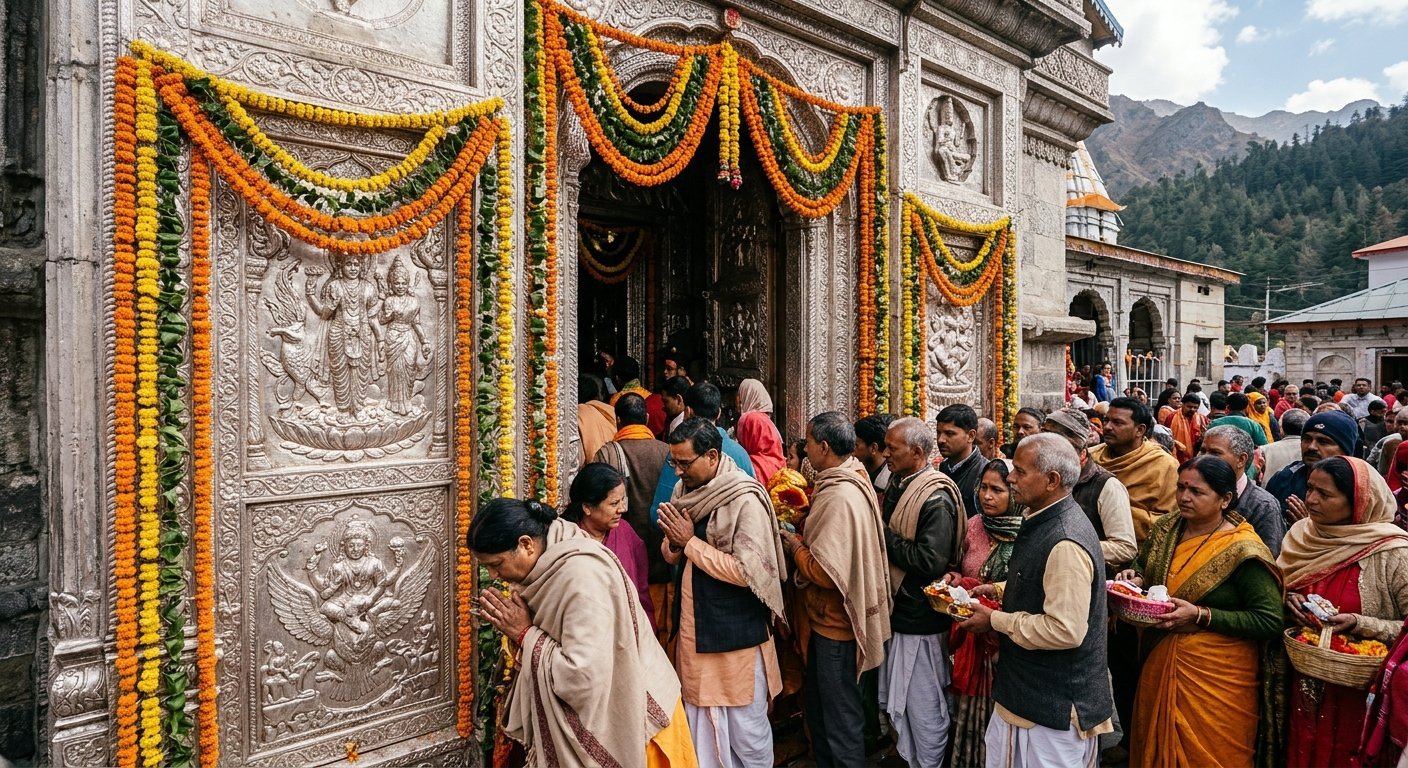
A yatri from Mumbai stood before the silver-plated doors of Pashupatinath Temple Kathmandu in 2024, tears streaming down his face. He’d arrived the day before his Kailash Mansarovar Yatra was set to begin, expecting a quick temple visit. Instead, he spent three hours there. When he met our group later that evening, he said something I’ve heard dozens of times since my first Kailash journey in 1996: “I thought I was just passing through Nepal. I didn’t know Pashupatinath would prepare my heart before Mount Kailash prepared my body.”
That’s exactly what this temple does. You don’t just tick it off as a tourist stop on your way to Tibet. You can’t. The Pashupatinath Temple in Kathmandu isn’t a warm-up act. It’s where your pilgrimage truly starts, days before you cross into Tibet, because this is where Lord Shiva has resided in his Pashupati form for centuries.
Why Pashupatinath Temple Matters Before Your Kailash Yatra
Most pilgrims think the spiritual journey begins when they glimpse Mount Kailash. That’s not quite right. It begins the moment you bow before Pashupatinath in Kathmandu, because this temple sits on the banks of the Bagmati River, which flows into the holy Ganges. What you’re really doing is paying respects to Shiva before seeking him at his cosmic throne.
Here’s what we learned organizing Kailash Mansarovar Yatra batches for 28 years: yatris who skip proper darshan at Pashupatinath arrive in Tibet unprepared emotionally. They’re anxious, scattered, focused on logistics instead of devotion. But those who spend real time at this Kathmandu Shiva temple? They’re calmer throughout the journey. Something shifts inside them.
The temple was recognized as a UNESCO World Heritage Site in 1979, but its religious power has nothing to do with that designation. This is one of the 275 Paadal Petra Sthalams, and among the twelve Jyotirlingas according to some traditions. Whether you follow that classification or not, the divine presence here is undeniable.
Pashupatinath Temple in Kathmandu History: From Ancient Legend to Modern Pilgrimage
The Pashupatinath Temple history stretches back more than 1,500 years, though legends place Lord Shiva’s presence here much earlier. According to ancient texts, Shiva and Parvati once took the form of antelopes and roamed the forests on the Bagmati’s eastern bank. When the gods discovered them, Shiva’s horn broke into three pieces. One piece remained here, marking the spot where the temple now stands.
The current pagoda-style structure dates to 1692, rebuilt by King Bhupatindra Malla after the previous temple was destroyed by termites. But don’t mistake the building’s age for the shrine’s age. The Pashupatinath linga has been worshipped continuously for centuries before any structure stood over it. The temple you see today is just the latest shelter for an ancient, ongoing conversation between devotee and deity.
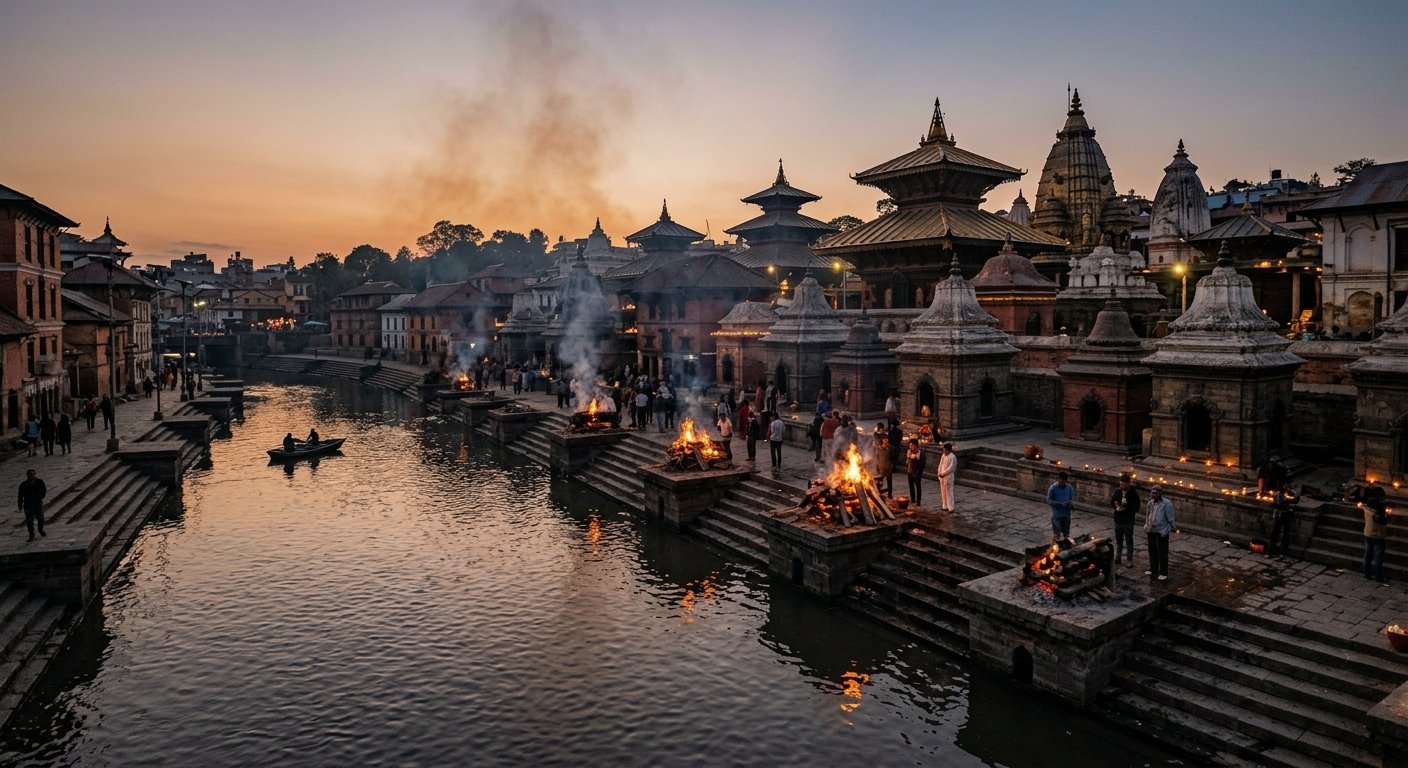
Only Hindu pilgrims can enter the main temple sanctum. That rule frustrates some visitors, but it’s been this way for generations. Non-Hindus can view the temple from across the Bagmati River, where funeral ghats burn continuously. The sight of those cremations isn’t morbid. It’s honest. Life, death, devotion, and liberation all happen within view of Pashupatinath. That’s the point.
Religious Significance: What Makes Pashupatinath Different from Other Shiva Temples
Walk into any Shiva temple in India and you’ll feel devotion. Walk into Pashupatinath Temple Kathmandu and you’ll feel something sharper. This isn’t just a place of worship. It’s a threshold. Shiva here is Pashupati, Lord of all creatures, and the energy reflects that cosmic guardianship.
The linga inside the sanctum has four faces, representing the four cardinal directions. A fifth face, which remains invisible, points skyward. That unseen face is significant. It reminds pilgrims that not everything can be seen or understood through physical senses. You’ll need faith for what lies ahead on your Kailash journey, and this temple teaches that lesson before you depart.
Pashupatinath is also where sadhus, yogis, and ascetics gather. If you’re visiting during Maha Shivaratri, you’ll find thousands of holy men camping along the riverbanks. Some have matted hair down to their knees. Others sit in meditation for hours without moving. These aren’t performers. They’re practitioners who’ve dedicated their lives to Shiva, and their presence here turns the entire complex into a living ashram.
During our Kailash Mansarovar Yatra preparation programs, we tell yatris to spend at least two to three hours at Pashupatinath. Not rushing through. Not checking it off. Actually sitting. Watching the river. Observing the cremations. Listening to the temple bells. That time matters more than people realize, because it resets their internal rhythm from the chaos of travel to the stillness required for pilgrimage.
Pashupatinath Temple Darshan: Timings, Rituals and What to Expect
Pashupatinath Temple darshan follows a daily schedule that hasn’t changed much in decades. The temple opens around 4 AM for early morning prayers. If you’re serious about your visit, that’s when you should go. The crowds are thinner. The air is cooler. And the energy inside the temple complex feels less scattered.
Morning aarti starts around 5 AM, and evening aarti takes place just before sunset, usually between 6 PM and 7 PM depending on the season. Both are worth attending, but the evening aarti draws larger crowds. Expect to wait if you arrive late.
Here’s what most guide books won’t tell you: the queue for darshan can take anywhere from 30 minutes to two hours depending on the day. Saturdays and festival days are packed. If your Kailash Yatra schedule allows it, visit on a weekday. You’ll have more space to absorb what you’re experiencing instead of just shuffling through.
When you approach the main shrine, you won’t get much time in front of the linga. Maybe 10 to 15 seconds. Priests keep the line moving. Don’t let that frustrate you. Use those seconds well. Offer your prayer, accept the prasad, and move on. Your connection to Shiva doesn’t depend on standing there longer. It depends on what you carry inside you.
Dress modestly. This isn’t a suggestion. Shorts, sleeveless tops, and revealing clothing aren’t allowed inside the main sanctum. Wear something comfortable but respectful. Remove your shoes before entering. Photography inside the main temple is prohibited, and security enforces that rule strictly.
What Kailash Pilgrims Should Do at Pashupatinath Temple
Your Pashupatinath Temple visit isn’t just religious tourism. It’s preparation. Treat it that way. Here’s what we recommend based on decades of leading yatris from India, Australia, and beyond.
First, plan for an early morning visit. If your flight to Kathmandu lands the day before your Yatra begins, rest that evening and wake up before dawn. Reach the temple by 5 AM. Attend the morning prayers, take darshan, and then sit by the Bagmati River for at least 30 minutes. Don’t scroll your phone. Don’t plan the next leg of your trip. Just sit.
Second, walk the cremation ghats on the opposite bank. This makes some pilgrims uncomfortable, but it shouldn’t. Death is part of the cycle you’re about to contemplate during Kailash Parikrama. Seeing it here, openly and without pretense, prepares you for the impermanence lessons that Mount Kailash teaches in harsher ways.
Third, if you’re traveling with Kailash Pilgrim or another experienced operator, ask your guide about any specific rituals recommended before Yatra. Some yatris perform a simple puja at Pashupatinath, offering coconut, flowers, and incense as a prayer for safe passage. Others just offer water to the linga. There’s no wrong approach. Devotion matters more than ritual precision.
Finally, take note of how your body feels inside the temple complex. Is your breath calm or shallow? Are your thoughts racing or settling? The altitude in Kathmandu is only about 1,400 meters, nothing compared to what’s coming. But the spiritual altitude is different. If you’re feeling scattered here, you’ll struggle more in Tibet. Use this visit as a barometer.
Practical Information: Reaching Pashupatinath from Kathmandu City
Pashupatinath Temple sits about 5 kilometers east of central Kathmandu, near Tribhuvan International Airport. If you’re staying in Thamel, which most Kailash yatris do, the drive takes 20 to 30 minutes depending on traffic. Hire a taxi or arrange transport through your tour operator. Don’t rely on walking. The roads aren’t pedestrian-friendly, and you’ll waste energy better saved for your journey ahead.
Entry is free for Hindus and pilgrims from SAARC countries, which includes India. Non-SAARC nationals pay a small entry fee, usually around NPR 1,000. Bring cash in Nepali rupees. Card payments aren’t reliable here.
The temple complex is large. Beyond the main shrine, you’ll find smaller temples dedicated to various deities, ashrams, and rest areas. Budget at least two hours if you want to see everything. Three is better. Rushing defeats the purpose.
One mistake yatris make: visiting Pashupatinath on the same day they’re departing for Tibet. Don’t do this. Your mind will be on packing, documents, and flight times. Visit the day before. Give yourself space to absorb the experience without logistical pressure hanging over you.
If you’re traveling in February or March, check the Nepali calendar for Maha Shivaratri. The temple transforms during this festival. Hundreds of thousands of devotees flood the complex, and the energy is electric. But crowds become overwhelming. If your schedule coincides with Maha Shivaratri and you want a quieter darshan, go early in the morning before the main rush.
How Pashupatinath Connects to Your Kailash Mansarovar Journey
Every Kailash Mansarovar Yatra we’ve led through Kailash Pilgrim stops in Kathmandu first. That’s not just for visa processing or acclimatization. It’s because Pashupatinath forms the spiritual gateway. You’re asking Shiva for permission before you trek around his mountain. That’s the tradition. That’s the respect required.
When we brief yatris during our one-year preparation program, we tell them: whatever doubts you carry, leave them at Pashupatinath. Whether it’s physical readiness, fear of altitude, or personal challenges back home, offer them at the temple. Not because the temple magically solves problems. But because the act of offering shifts your mental posture from worry to trust.
One of our yatris in 2022, a woman from Gujarat, told us she’d been anxious for months before the trip. She worried about her knees, about the cold, about being away from her grandchildren. At Pashupatinath, she cried through the entire aarti. Later she said the tears weren’t sadness. They were release. By the time we reached Mount Kailash two weeks later, she completed the Parikrama without complaint. Something changed at Pashupatinath.
You’ll notice Nepali priests and guides at Pashupatinath often ask where you’re headed next. When you say Kailash, their response shifts. They treat you differently. They know you’re not a casual tourist. You’re a yatri on a serious path. That recognition alone can feel grounding when everything else about the journey feels overwhelming.
The Bagmati River and Cremation Ghats: Understanding Life and Death Before Kailash
The Bagmati River flows past Pashupatinath Temple with the same indifference it has for centuries. Upstream, the water is cleaner. Downstream, it carries ash from the cremation ghats. Watching bodies burn on open pyres disturbs some visitors. But for Kailash pilgrims, this is essential viewing.
Here’s why: Kailash Parikrama confronts you with impermanence in a way few journeys do. The barren landscape. The thin air. The physical exhaustion. All of it strips away the illusions we carry about control and permanence. Pashupatinath’s ghats prepare you for that stripping process. You see clearly that life ends. That bodies return to fire and ash. That the soul’s journey continues regardless.
Hindu pilgrims believe dying in sight of Pashupatinath brings moksha, liberation from the cycle of rebirth. That’s why families bring their deceased here from across Nepal and beyond. The ghats operate continuously. Day and night. Rain or shine. There’s no pause in the cycle.
Walk along the riverbank opposite the main temple. You’ll see platforms where bodies are placed, wrapped in saffron or white cloth. Family members sit nearby, some weeping, others quiet. Priests chant mantras. Fire consumes flesh and bone within hours. By evening, only ash remains, swept into the Bagmati.
If this sounds grim, it’s only because modern life hides death away. Pashupatinath doesn’t hide anything. It shows you the truth. And that truth is what makes Kailash Parikrama meaningful. You’re walking a sacred circuit around the axis of the universe, contemplating your own mortality and the eternal nature of Shiva. Pashupatinath gives you a preview.
Visiting Pashupatinath as Part of Your Pre-Yatra Preparation
Altitude acclimatization is part of every Kailash Mansarovar Yatra preparation plan. So is fitness training. But spiritual acclimatization? That’s harder to measure, and Pashupatinath Temple Kathmandu is where it happens.
When we designed our one-year preparation program at Kailash Pilgrim, we included three pillars: physical fitness, mental resilience, and spiritual readiness. The first two can be trained at home. The third requires immersion. Pashupatinath provides that immersion in concentrated form.
Spend time observing the sadhus if they’re present. Many have walked to Kailash multiple times. Some have lived in caves near Manasarovar for months. Their devotion isn’t performative. It’s lived. Watching them pray, seeing their discipline, can recalibrate your own understanding of what devotion means.
Talk to local guides if you can. Many have stories about pilgrims who visited Pashupatinath before heading to Kailash. Some returned years later to offer thanks. Others never came back, passing away during or after the journey. This isn’t meant to scare you. It’s meant to underline the seriousness of what you’re undertaking.
You’re not going on vacation. You’re going on pilgrimage. Pashupatinath helps you internalize that difference. It’s the moment you stop being a traveler and become a yatri.
Frequently Asked Questions
Can non-Hindus enter Pashupatinath Temple Kathmandu?
Non-Hindus can’t enter the main temple sanctum where the Shiva linga is housed. However, they’re allowed to explore the outer temple complex and view the shrine from the opposite bank of the Bagmati River. The rule applies to everyone, including foreign tourists. Security checks identification at entry points.
What are the Pashupatinath Temple darshan timings?
Pashupatinath Temple opens around 4 AM daily and closes by 9 PM. Morning aarti begins at 5 AM, and evening aarti takes place between 6 PM and 7 PM depending on the season. Weekday mornings offer shorter wait times compared to Saturdays and festival days. Plan for at least two hours if you want a complete visit.
Why is Pashupatinath important for Kailash Mansarovar pilgrims?
Pashupatinath serves as the spiritual gateway before Kailash Parikrama. You’re seeking Shiva’s blessing before trekking around his sacred mountain. The temple’s location in Kathmandu makes it a natural stop for acclimatization and visa processing. More importantly, it prepares pilgrims emotionally for the challenges ahead by grounding them in devotion before physical hardship begins.
How far is Pashupatinath from Kathmandu airport?
Pashupatinath Temple sits approximately 5 kilometers east of Tribhuvan International Airport. The drive takes 15 to 20 minutes without traffic. From Thamel, where most pilgrims stay, expect 25 to 35 minutes depending on road conditions. Arrange transport through your tour operator or hire a local taxi.
Begin Your Kailash Journey the Right Way
Pashupatinath Temple Kathmandu isn’t a detour. It’s the starting line. Every yatri we’ve guided since 1996 who treated this temple visit seriously reported a deeper, more meaningful Kailash experience. Those who rushed through or skipped it often struggled to connect once they reached Tibet.
If you’re planning your Kailash Mansarovar Yatra for 2026, especially during the once-in-12-years Tibetan Horse Year, approach Pashupatinath with intention. Take the early morning darshan. Sit by the Bagmati. Let the temple do its work. That’s how real preparation happens, not just in your muscles but in your spirit.
Kailash Pilgrim, led by Shalini Patel with over 20 completed Kailash Parikramas since 1996, includes Pashupatinath darshan as a core part of every Yatra itinerary. Our yatris don’t skip this step because we’ve learned what works. Contact us for guidance on your journey, and let’s make sure your pilgrimage starts on the right foundation, with Shiva’s blessing from Pashupatinath Temple Kathmandu.