
You’ve heard May to September. Maybe you read June is perfect. Or someone told you July has the best weather. Here’s what nobody tells you: there’s no single “best” month for Kailash Mansarovar. Our Weather 2026 Guide helps you understand the conditions each month, so you can choose the time that best fits your body, your spiritual goals, and your risk tolerance.
I’m Shalini Patel. I’ve completed over 20 Kailash Parikramas since 1996. Every single trip taught me something the guidebooks don’t mention. Weather at 15,000 feet doesn’t behave like weather anywhere else. The “ideal” conditions people talk about online? They’re often based on someone’s single trip or a weather chart that never accounted for altitude sickness, trail mud, or the fact that your lungs work half as well up there.
This isn’t theory. This is what actually happens when you take that first breath at Darchen, when you’re three hours into the parikrama and the sky changes in 20 minutes, when you realize the month you picked determines whether you’re walking on frozen ground or slipping through slush. Let’s break down what the Kailash Mansarovar weather really looks like, month by month, and why the timing you choose matters more than most yatris realize.
Myth 1: May and June Are Always the Safest Months
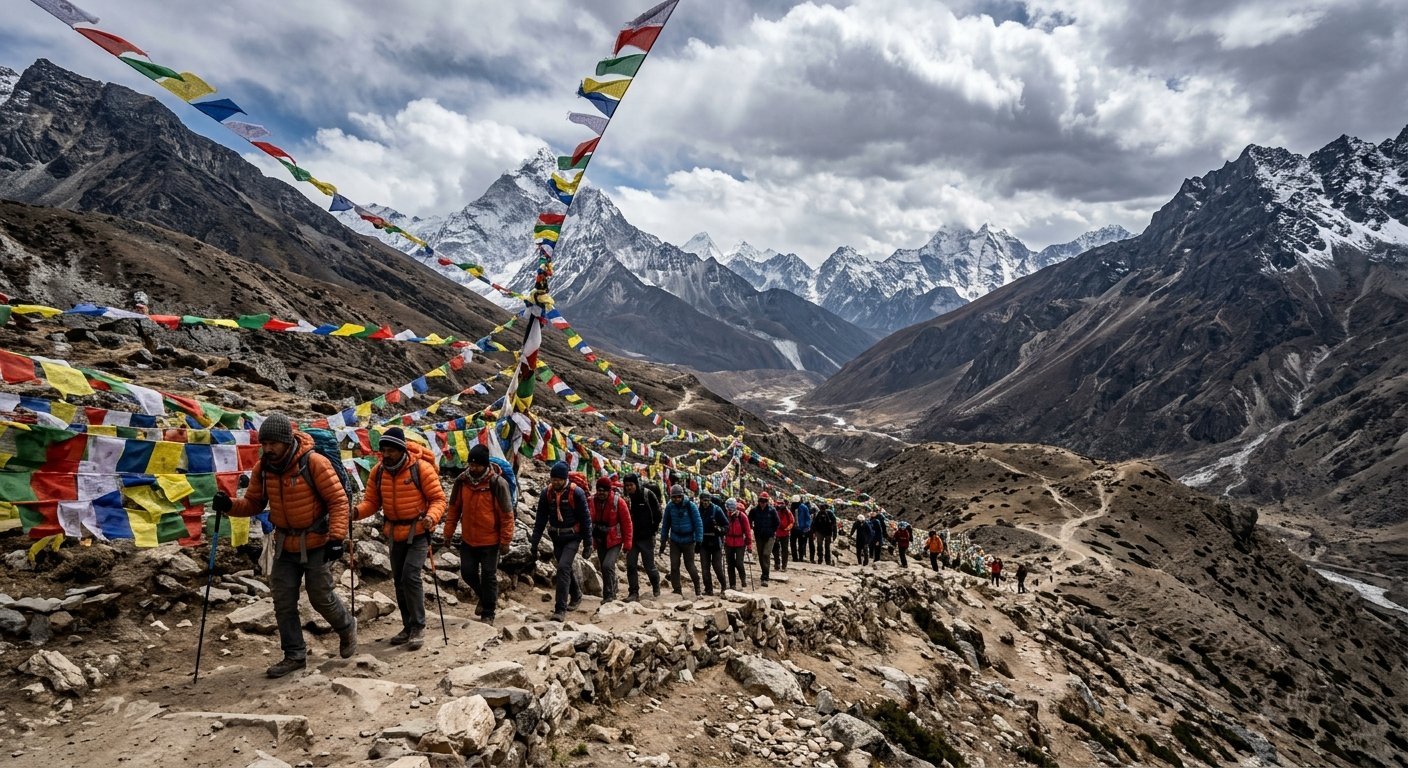
Everyone recommends May and June. Tour operators push them. Reviews praise them. But here’s the reality: these months can be the most challenging for unprepared pilgrims.
May brings unpredictable conditions. Some years, the passes are still clearing snow. Other years, you get early thunderstorms. The temperature swings are brutal. Morning starts at minus 5 to minus 10 degrees Celsius. By noon, it climbs to 15 degrees. Your body is already fighting altitude. Now it’s also managing a 20-degree shift in six hours.
June fills with yatris. That’s when the trail gets crowded. The sacred lake sees hundreds of pilgrims. If you’re seeking silence and solitude, June isn’t your month. The Kailash Mansarovar season peaks here because school holidays and summer break align. Families arrive. Groups multiply. Accommodation gets tight.
At Kailash Pilgrim, we’ve seen both extremes in May. One year, we had clear skies and perfect parikrama conditions. The next year, late snow blocked parts of the trail and we had to adjust our route. That’s the thing about high-altitude weather. It doesn’t care about your booking date.
Altitude acclimatization struggles peak in May and early June. Why? Because yatris rush. They book the “perfect weather window” and arrive without proper preparation. Their bodies haven’t adapted. The clear skies don’t help when your oxygen saturation drops and your head pounds from 5,000 meters of elevation. We’ve turned around more pilgrims in June than any other month, not because of weather, but because they weren’t ready.
The wind starts light in May, which sounds good. But by mid-June, gusts pick up around the lake and on the high passes. If you’re slim or lightweight, those winds knock you sideways. We’ve had yatris grab onto their guides just to stay upright on the Dolma La pass. That’s at 18,600 feet, where even strong people feel weak.
Here’s what works in these months: if you’re physically fit, if you’ve spent at least nine months preparing, if you don’t mind crowds, and if you can handle temperature swings without your mood collapsing. If any of those conditions don’t fit, reconsider your timing.
Myth 2: July and August Bring Too Much Rain
The monsoon scares people away from July and August. “Too wet,” they say. “Landslides everywhere.” Not exactly true for Kailash.
Kailash sits in the Tibetan plateau rain shadow. The monsoon hits Nepal hard. It drenches lower India. But by the time those clouds reach 4,500 to 5,000 meters, they’ve lost most of their punch. You’ll see clouds. You might get afternoon drizzle. But the relentless downpour people imagine? That’s rare.
What July and August actually bring: warmer days. The Kailash Mansarovar climate softens. Daytime temperatures reach 10 to 18 degrees Celsius. Nights stay above zero most of the time. Your body spends less energy just staying warm, which means more energy for walking, breathing, and managing altitude.
Fewer pilgrims show up. The trails thin out. Accommodation gets easier. The sacred spaces feel quieter. If your Kailash Yatra is about spiritual connection, not checking off a travel bucket list, these months deliver what May and June can’t.
We ran a batch in late July 2024 (yes, I know it’s 2026 now, but that memory sticks). It rained exactly twice. Both times for under an hour. Both times in the afternoon when we were already at camp. The rest of the trip stayed dry. The grass around Lake Mansarovar turned green. The mountain looked softer, less harsh. Several yatris told me it felt more welcoming than the stark, frozen landscape photos they’d seen online.
The real issue in these months isn’t rain. It’s mud. When it does rain, the trails turn slick. Sections near the monasteries and around the lake get slippery. Good trekking poles and proper boots matter more in July and August than in May. If you’ve trained in monsoon conditions back home, if you’re comfortable with wet trails, you’ll handle it fine.
One advantage nobody talks about: altitude sickness rates drop slightly in warmer months. Warm air holds more oxygen. Your body doesn’t work as hard. We’ve noticed fewer emergency descents and fewer severe headaches in our July batches compared to May.
When to avoid July and August: if you need guaranteed sunshine for every photo, if slippery trails make you anxious, or if you’re traveling with elderly pilgrims who struggle with balance.
The Truth About September
September gets called the “best” month by half the internet. Clear skies return. Monsoon ends. Temperature stays mild. True enough. But September has its own challenges.
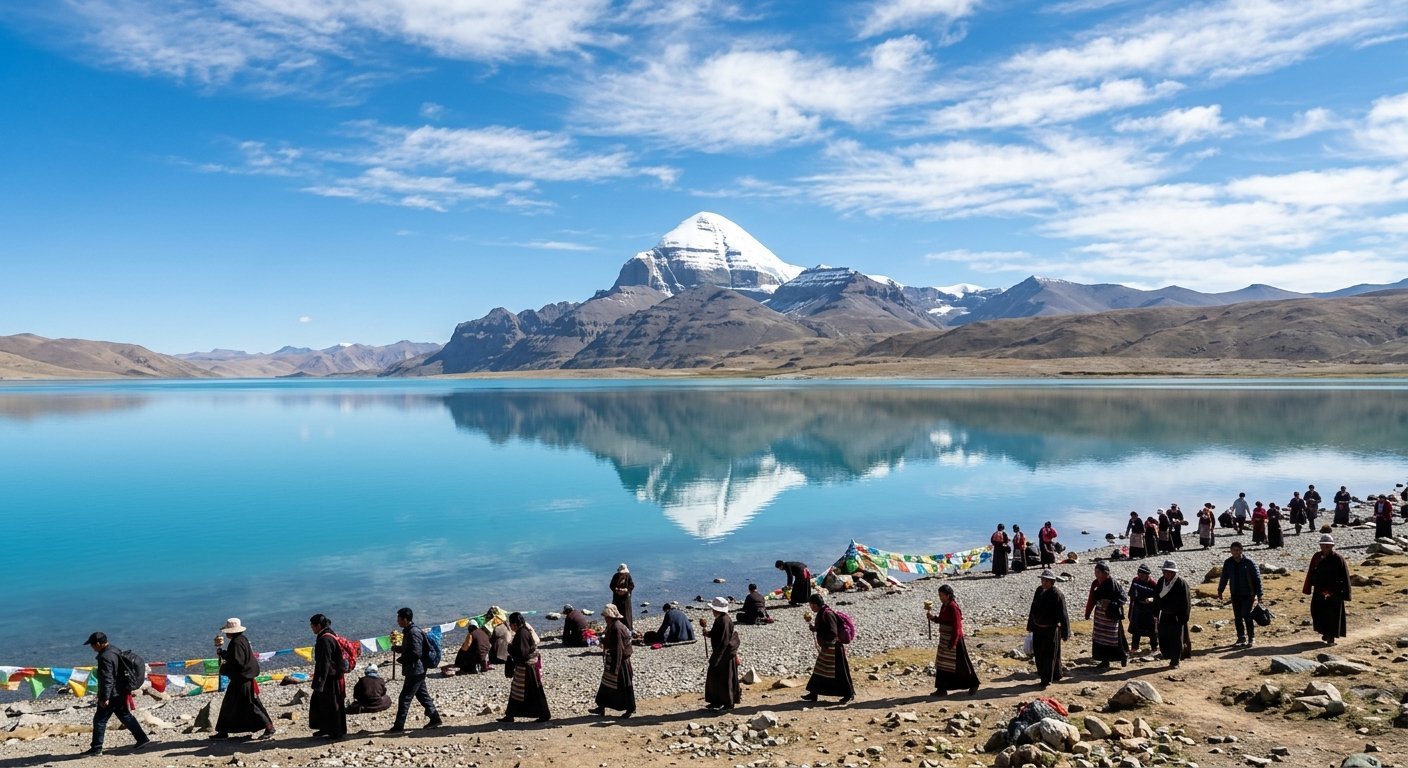
The Kailash Mansarovar season shifts in September. The warmth starts fading. By mid-September, night temperatures drop back to minus 5 degrees. The lake begins its freeze cycle. If you’re hoping to take a holy dip in Lake Mansarovar, early September works. Late September? The water’s so cold it’s almost dangerous.
The trail conditions improve after monsoon. Mud dries. Rocks firm up. Walking gets easier. If you had a tough time imagining yourself on slippery paths, September removes that worry. The entire parikrama route stabilizes.
Crowds return, but not as intense as June. You’ll share the trail, but it won’t feel packed. The sacred sites offer a balance between solitude and community. Some yatris prefer this. They want to see other pilgrims, to feel part of the tradition, but not so many that the experience feels like a tourist rush.
Light quality changes in September. Photographers love it. The air clears. The mountain stands sharp against blue skies. Sunrise and sunset hit different in September compared to July. If documenting your yatra matters to you, this month delivers.
Here’s the trade-off: shorter weather windows. September weather can flip fast. A perfect morning can turn into an afternoon snowstorm. We’ve seen it happen. Twice in the last decade, we’ve had early snow in late September that forced route changes. Not dangerous, but it required flexibility.
When September works best: if you’re moderately fit, if you’ve completed your preparation program, if you want a balance between good weather and fewer crowds. If you’re risk-averse and want the most predictable conditions, September edges ahead.
What the Weather 2026 Guide Charts Don’t Tell You About Kailash Mansarovar Climate
Average temperatures lie. Charts show you numbers. They don’t show you what those numbers feel like at altitude with wind chill and thin air.
Minus 10 degrees at sea level is cold. Minus 10 at 5,000 meters feels like minus 25. Your body burns energy faster. You shiver harder. Layers that worked on a Himalayan trek at 3,000 meters won’t cut it here. We’ve watched yatris arrive with gear rated for minus 15, thinking they’re covered. They’re not.
Daytime sun burns. Even when the air is cold. The UV radiation at this altitude is intense. Sunscreen isn’t optional. We had a yatri in 2023 who skipped sunscreen for two days because it “wasn’t that hot.” She spent the rest of the trip with blistered cheeks and couldn’t smile without pain. The Kailash Mansarovar weather doesn’t forgive small mistakes.
Wind speed determines your experience more than temperature. A calm day at minus 5 feels manageable. A windy day at plus 5 feels miserable. The passes, especially Dolma La, funnel wind. There’s no shelter. You walk through it. If you’ve never experienced high-altitude wind, picture this: you lean forward just to stay upright. Your jacket flaps so hard it sounds like gunfire. Talking becomes impossible.
Afternoon storms build fast. You’ll see clouds gather over the peaks around 2 PM. By 3 PM, you’re in hail or rain or snow. This happens in every season, but it’s most common from June through September. That’s why we start our parikrama days early. Dawn departures aren’t about tradition. They’re about finishing the hard sections before weather turns.
Oxygen levels don’t change with months. Whether you visit in May or September, you’re still breathing air with 40% less oxygen than sea level. Some yatris think warmer months mean easier breathing. They don’t. Altitude affects you the same way year-round. Preparation matters more than timing.
How Kailash Pilgrim Picks Travel Dates After 28 Years of Yatras
We don’t pick dates based on weather alone. We look at the whole picture: route conditions, permit processing times, spiritual calendar, and our yatris’ readiness.
Route conditions come first. The Nepali side opens fully by late April. The Tibetan side stabilizes by mid-May. We won’t send a batch until we’ve confirmed the passes are safe and the high camps are accessible. Some years, that’s early May. Other years, we wait until June.
Permit processing matters. Chinese authorities control access. They issue permits in batches. Sometimes May permits come late. Sometimes June fills fast. We work with ground teams in Nepal and Tibet to track real-time availability. This isn’t something you can Google. It requires relationships built over decades.
The 2026 Tibetan Horse Year changes everything. This is the Mahakumbh of Mount Kailash. It happens once every 12 years. Completing one parikrama during Horse Year equals 13 parikramas in power. Every devout yatri knows this. Demand will surge in 2026. Weather preferences will matter less because spiritual timing will matter more.
Our preparation program runs for one year. We won’t take a yatri who hasn’t completed it, regardless of when they want to travel. Physical and spiritual readiness comes before weather preferences. We’ve seen fit yatris struggle and average-fitness yatris thrive. The difference? Preparation. Always preparation.
We limit our batches to small private groups. Why? Because in bad weather or challenging conditions, a small group moves faster, decides faster, and stays safer. We can adjust plans for eight yatris. Adjusting for 30 becomes chaos.
When yatris ask us “when to visit Kailash Mansarovar,” we ask them: Why are you going? If it’s spiritual calling, we recommend aligning with sacred dates. If it’s physical challenge, we recommend when your body will be at peak readiness after training. If it’s photography and documentation, we suggest September. If it’s solitude, we suggest July. There’s no universal answer.
The Real Question Isn’t When — It’s Whether You’re Ready
Most people focus on the wrong variable. They obsess over the best time to visit Kailash Mansarovar. They study weather charts. They compare temperatures. Then they arrive unprepared and the perfect weather doesn’t save them.
Your cardiovascular fitness determines your experience more than any month. If your heart and lungs aren’t trained for altitude, May’s clear skies won’t help. We’ve turned back yatris on day two of the parikrama, under perfect weather, because their bodies couldn’t handle it.
Altitude acclimatization training starts at home. You can’t fake it. You can’t rush it. The yatris who do best in any season are the ones who spent months training, who followed the breathing exercises, who built their red blood cell count naturally. At Kailash Pilgrim, we walk you through this over 12 months. Not because we like long timelines. Because shorter doesn’t work.
Mental readiness matters as much as physical. The Kailash Yatra tests you. The weather will challenge you. The altitude will humble you. The exhaustion will push you. If you’re going for Instagram photos and bragging rights, pick any month and good luck. If you’re going for transformation, the month matters far less than your intention and your preparation.
Sattvic diet adjustment should start six months before travel. Your gut needs to adapt. We provide 100% Sattvic meals during the yatra, but if your body isn’t used to that diet, you’ll struggle with digestion at altitude. Poor digestion at 5,000 meters isn’t just uncomfortable. It’s dangerous. It compounds altitude sickness. We’ve seen it happen too many times.
Gear evaluation happens three months before departure in our program. We check every piece. We test your boots. We verify your sleeping bag rating. We make sure your layers actually work together. Weather forecasts help you pick your month. Proper gear helps you survive the conditions once you’re there.
Frequently Asked Questions
What is the best month for Kailash Mansarovar Yatra in 2026?
May, June, and September offer the most stable weather patterns, but July and August work well for pilgrims seeking fewer crowds and warmer conditions. The 2026 Horse Year significance may matter more than weather for spiritual yatris.
Can I visit Kailash Mansarovar during monsoon season?
Yes, July and August are viable months. Kailash sits in a rain shadow, so monsoon impact is less severe than in Nepal or lower India. Expect occasional afternoon drizzle and muddy trails, but not continuous heavy rain.
What is the temperature range during Kailash Yatra?
Daytime temperatures range from 10 to 18 degrees Celsius in summer months. Night temperatures drop to minus 5 to minus 15 degrees Celsius. Temperature swings of 20 degrees within 12 hours are common.
How does altitude affect me regardless of weather?
Altitude affects all yatris equally across seasons. At 5,000 meters, you’re breathing 40% less oxygen than sea level. Physical preparation and acclimatization training matter more than choosing the perfect weather month.
Start Your Kailash Preparation with Expert Guidance
Weather knowledge helps. Preparation determines success. At Kailash Pilgrim, we’ve guided over 28 years of safe yatras through every season and every weather condition imaginable. Our one-year preparation program covers physical training, altitude acclimatization, Sattvic diet adjustment, and spiritual readiness.
Ms. Shalini Patel’s 20+ completed Kailash Parikramas since 1996 built the framework we use today. Small private batches. Real safety protocols. Zero compromise on preparation standards. If you’re considering the 2026 Horse Year yatra, begin your preparation now. The sacred journey doesn’t start at Darchen. It starts the day you commit to getting ready.
Contact Kailash Pilgrim for detailed yatra dates, preparation program enrollment, and honest guidance on whether your chosen travel window matches your readiness level. The mountain doesn’t care what month you pick. It cares whether you’re ready to walk its sacred path.