
Complete Guide to Kailash Mansarovar Yatra 2026-2027: Everything You Need Before You Book
You’ve felt the pull. Maybe for years. That inexplicable calling toward Mount Kailash that won’t let go. Now you’re finally ready to commit — but the confusion around permits, routes, costs, and physical preparation makes your head spin. Here’s what actually matters based on 20+ completed journeys, not tourism brochures.
Most pilgrims waste time researching the wrong things. They obsess over packing lists before understanding if they can even handle the altitude. They compare prices without knowing what those prices actually include. And they book based on departure dates without realizing some routes demand far more physical stamina than others.
The Kailash Mansarovar Yatra 2026-2027 isn’t a vacation. It’s a 52-day parikrama around the abode of Lord Shiva at altitudes that will test every cell in your body. But with the right preparation and honest guidance, pilgrims in their 60s and 70s complete it safely every year. The difference? They prepared properly and chose operators who understood this is a spiritual calling, not an adventure trek.
Why 2026 Is Different: The Fire Horse Year Significance
Here’s something most tour operators won’t explain properly. The Tibetan Fire Horse Year happens once every 12 years. In 2026, it aligns with Mahakumbh — creating what devotees consider the most spiritually potent Kailash pilgrimage window in over a decade. One parikrama during this year is believed to carry the merit of 108 regular circumambulations.
That’s not marketing talk. It’s why permits for 2026 sold out 37% faster than 2025 bookings. Kailash Pilgrim saw inquiry volume triple when the Fire Horse alignment was confirmed. We thought we’d need to educate pilgrims about it. We didn’t. The true devotees already knew.
But here’s the friction nobody discusses. This sacred timing creates a logistical challenge. More pilgrims, same limited permits, identical infrastructure at altitude. Translation: if you’re serious about 2026, you need permits locked in now. Not next month. The Indian government issues Kailash Yatra permits in limited batches, and they don’t expand capacity just because demand increases.
The Real Cost of Kailash Mansarovar Yatra 2026-2027
Forget the $3,000 packages you see advertised. They’re either incomplete or unsafe. Here’s what a legitimate Kailash Yatra package actually costs and why those numbers exist.
A complete Kailash pilgrimage tour from Kathmandu typically runs between $4,800 and $7,200 for road-based journeys. Helicopter routes? Add another $12,000 to $18,000 depending on the operator and included services. These aren’t arbitrary figures.
Your cost includes Chinese permits (around $800-1,200 per person), Tibetan guide fees (mandatory, approximately $450-600), vehicle permits for entering restricted Tibetan zones, accommodation for 12-15 days, three meals daily at altitude where food costs triple, oxygen cylinder backup, medical support staff, and Sherpa assistance during the actual parikrama.
What cheaper packages skip: proper acclimatization stops, backup oxygen, experienced medical personnel, quality accommodation that actually helps you rest at 15,000 feet, and — this is critical — coordination with someone who speaks your language when things go sideways.
At Kailash Pilgrim, we’ve seen what happens when pilgrims choose based on price alone. One devotee from Melbourne joined a budget group in 2024. No proper acclimatization schedule. Altitude sickness hit him on day four. The operator had no medical staff, no backup plan, just a Tibetan driver who didn’t speak English. He had to abandon the Yatra at Mansarovar Lake without completing the parikrama. Wasted $3,400 and never got his moment with Mahadev.
The Mount Kailash tour cost reflects reality at extreme altitude. You’re not paying for luxury. You’re paying for safety, experience, and the actual ability to complete what you came to do.
Choosing Your Route: Kathmandu vs Helicopter Packages
Two main routes exist for the Kailash Mansarovar Yatra. Your choice shouldn’t be about budget alone — it should match your physical capacity and spiritual intention.
The Traditional Road Route from Kathmandu
Takes 12-15 days. You drive from Kathmandu through the Tibetan plateau, stopping at Kerung for acclimatization, continuing to Mansarovar Lake, then completing the 52-kilometer parikrama on foot over three days. Total altitude gain is gradual, giving your body time to adapt. Maximum elevation hits 19,500 feet at Dolma La Pass.
This is the route Lord Shiva devotees traditionally prefer. More time for spiritual preparation. You feel every step of the journey. But you need reasonable fitness — not marathon-level, but you must walk 12-17 kilometers daily for three consecutive days on rocky terrain while short of breath.
Kailash Pilgrim specializes in this route for NRI pilgrims from Australia, USA, Canada, and UK. Our groups average age 58. They complete it because we spend a full year preparing them — not just physically, but mentally for what altitude actually feels like.
The Helicopter Route: Aerial Darshan
Cuts physical demands significantly. You helicopter directly to the Mansarovar Lake region, complete a shortened version of the parikrama (or skip it entirely with Aerial Darshan), and return. Total time: 4-5 days.
Sounds easier. Often isn’t. Your body gets zero acclimatization time. You go from sea level to 15,000 feet in 90 minutes. Acute mountain sickness hits harder and faster. We’ve watched pilgrims spend their entire helicopter Yatra battling headaches and nausea, unable to properly experience what they paid $15,000 to see.
Who should take the helicopter route? Senior citizens with genuine mobility limitations. Pilgrims with limited time who understand they’re trading physical comfort for speed. Anyone who tried the road route before and couldn’t complete it. But never choose helicopter just because you’re scared of the walk — that fear often means you need more preparation, not a different route.
Permits, Visas, and Documentation: What Actually Takes Time
The Chinese government controls all Kailash Yatra permits. You cannot go independently. You need a registered tour operator with Tibetan connections, proper licensing, and allocation quota. This is where most pilgrims get paralyzed by misinformation online.
Here’s the real timeline. Permit applications open roughly 6-8 months before your intended departure. For 2026 Fire Horse Year departures, applications opened in December 2025. Your operator submits your passport copies, medical certificates, and detailed itineraries to Chinese authorities through their Tibetan contacts. Approval takes 45-60 days if everything’s correct.
But here’s where it breaks. One wrong document, one medical form not properly notarized, one passport photo that doesn’t meet specifications — your entire group’s permits get delayed. We’ve seen this kill departures.
You also need a Nepal visa (easy, get on arrival), a Chinese group visa (your operator arranges this, takes about 21 days), and a fitness certificate from a registered physician confirming you can handle high altitude. That last one isn’t bureaucratic theater. It’s Chinese authorities protecting themselves from medical evacuations they can’t easily handle.
NRI pilgrims face extra complexity. If you’re Indian-origin but hold Australian, Canadian, or US citizenship, you need additional clearance documentation. The process adds 14-18 days. Kailash Pilgrim handles this coordination constantly — we know exactly which consulate forms matter and which are outdated advice circulating online.
Start your paperwork 90 days before your preferred departure. Anything less is gambling.
Physical Preparation: The Year Before Matters More Than the Week Before
Most Kailash Yatra packages include generic advice about fitness. Walk daily. Lose weight. Stay hydrated. That’s not wrong, but it’s also not enough.
The Dolma La Pass sits at 19,500 feet. At that altitude, your body has roughly 47% of the oxygen available at sea level. Every step feels like you’re walking through water. Your heart rate spikes. You gasp after tying your shoes. This isn’t something you can “push through” with motivation.
Here’s what actually works: Start cardiovascular training 11 months before departure. Not gym sessions twice weekly — consistent daily activity that builds genuine aerobic capacity. Walking 5-7 kilometers daily for six months does more than intense weekend hikes. Your body needs sustained, boring repetition to adapt.
Then add altitude simulation if you’re based in low-elevation cities like Sydney or Melbourne. Some pilgrims use altitude training masks. Others book weekend trips to higher elevation areas. The goal isn’t matching Himalayan altitude — it’s teaching your cardiovascular system that reduced oxygen is something it needs to manage.
At Kailash Pilgrim, we start physical preparation calls with registered pilgrims 12 months out. Not because we enjoy micromanaging. Because we’ve watched physically unprepared pilgrims suffer through something that should be spiritually transformative. One devotee from Singapore ignored our preparation timeline. Arrived confident. Hit severe altitude sickness at Mansarovar Lake. Spent the entire parikrama vomiting and disoriented. Technically completed it. Remembered nothing. That’s not the divine calling honored — that’s ego overriding common sense.
What Your Kailash Pilgrimage Package Should Actually Include
Tour operators love vague language. “Full support,” “experienced guides,” “comprehensive services.” Ask specific questions before you book anything.
Your package must include: Chinese permit processing, Tibetan guide assignment (government requirement, non-negotiable), private vehicle throughout Tibet (shared buses don’t work at altitude), oxygen cylinders with backup supply, pulse oximeters for monitoring blood oxygen, accommodation at every overnight stop including Mansarovar Lake, all meals from Kathmandu departure to return, porter service during the parikrama, and emergency evacuation coordination.
What gets left out of cheaper packages? Supplemental oxygen costs extra. Medical staff “available on request” for added fees. Accommodation listed without specifying you’re sharing rooms with seven strangers. Meals provided only at certain stops. Single supplement charges that triple your final cost. Sherpa support available “if needed” — meaning you’re on your own unless you collapse.
Here’s a specific scenario. A couple from London booked a Mansarovar Lake trip with an operator offering $4,100 packages in 2025. Seemed comprehensive based on the website. Reality: oxygen was $180 per cylinder extra. They needed three. Medical check at altitude cost $95 per visit. They visited twice. Single room supplement was $1,200 they weren’t told about. Final cost? $6,847 per person. Almost $3,000 more than quoted.
Kailash Pilgrim includes everything in our quoted price. Oxygen is included. Medical staff is included. Single rooms for seniors are included. Pre-Yatra spiritual preparation calls are included. Because hidden costs aren’t just unethical — they create financial stress during a journey meant for spiritual focus.
Altitude Acclimatization: The Difference Between Completion and Evacuation
You cannot rush altitude. Your body adapts at its own pace, and that pace is slower than you think.
Proper Mount Kailash tour itineraries include dedicated acclimatization days. You stop at Kerung (9,350 feet) for one full day. Then Saga (14,760 feet) for another day. Only then do you approach Mansarovar Lake at 15,060 feet. Each stop lets your body produce more red blood cells, adjust respiration rates, and stabilize cardiovascular response.
Tour operators who skip these stops are playing statistics with your health. Some pilgrims adapt quickly. Most don’t. And you won’t know which category you’re in until you’re already at altitude with limited medical options.
Signs of altitude sickness start subtle. Mild headache. Slight nausea. Trouble sleeping. You think it’s travel exhaustion. It’s not. If you ignore these early signals, they progress to confusion, severe vomiting, loss of coordination, and pulmonary or cerebral edema — both life-threatening.
We’ve handled 23 cases of moderate altitude sickness across 20+ Kailash Yatra seasons. Every single one ignored early symptoms. Every single one thought they could “tough it out.” And every single one needed immediate descent and medical intervention.
Your pulse oximeter reading should stay above 85% at altitude. Below that, you need oxygen supplementation. Below 75%, you need to descend. These aren’t suggestions — they’re medical thresholds that determine if you keep going or risk permanent damage.
Spiritual Preparation: What No Package Can Provide
Every Kailash pilgrimage tour focuses on logistics. Permits, vehicles, routes, hotels. But you’re not going to Mount Kailash for sightseeing. You’re answering a spiritual calling. And that part requires different preparation that most operators never address.
The parikrama is 52 kilometers of physical exhaustion wrapped around moments of profound spiritual experience. You’ll walk past Buddhist prayer flags snapping in thin air. You’ll see Tibetan pilgrims doing full-body prostrations around the entire circuit. You’ll stand at Dolma La Pass where devotees leave behind items representing attachments they’re releasing.
If you arrive physically prepared but spiritually unprepared, you’ll complete the circuit and feel empty. Like you checked a box but missed the point.
This is why Kailash Pilgrim includes year-long spiritual guidance with our packages. We’re not religious teachers — but Ms. Shalini Patel has walked this path 27 times since 1996. She knows which moments demand silence. Which rituals carry meaning. How to recognize when Mahadev’s presence shifts from concept to felt experience.
You cannot purchase spiritual readiness. But you can create space for it. Daily meditation starting six months before departure. Reading scripture about Lord Shiva’s connection to Kailash. Practicing detachment from comfort and convenience. Sitting with discomfort instead of immediately solving it.
One devotee from Toronto joined our 2023 Yatra having done none of this. Smart guy. Successful businessman. Thought spiritual experience would just “happen” at such a sacred place. He spent the entire parikrama complaining about the cold, the food, the walking pace, the basic toilets. Technically completed it. Left unchanged. Spirituality doesn’t force itself on the unprepared.
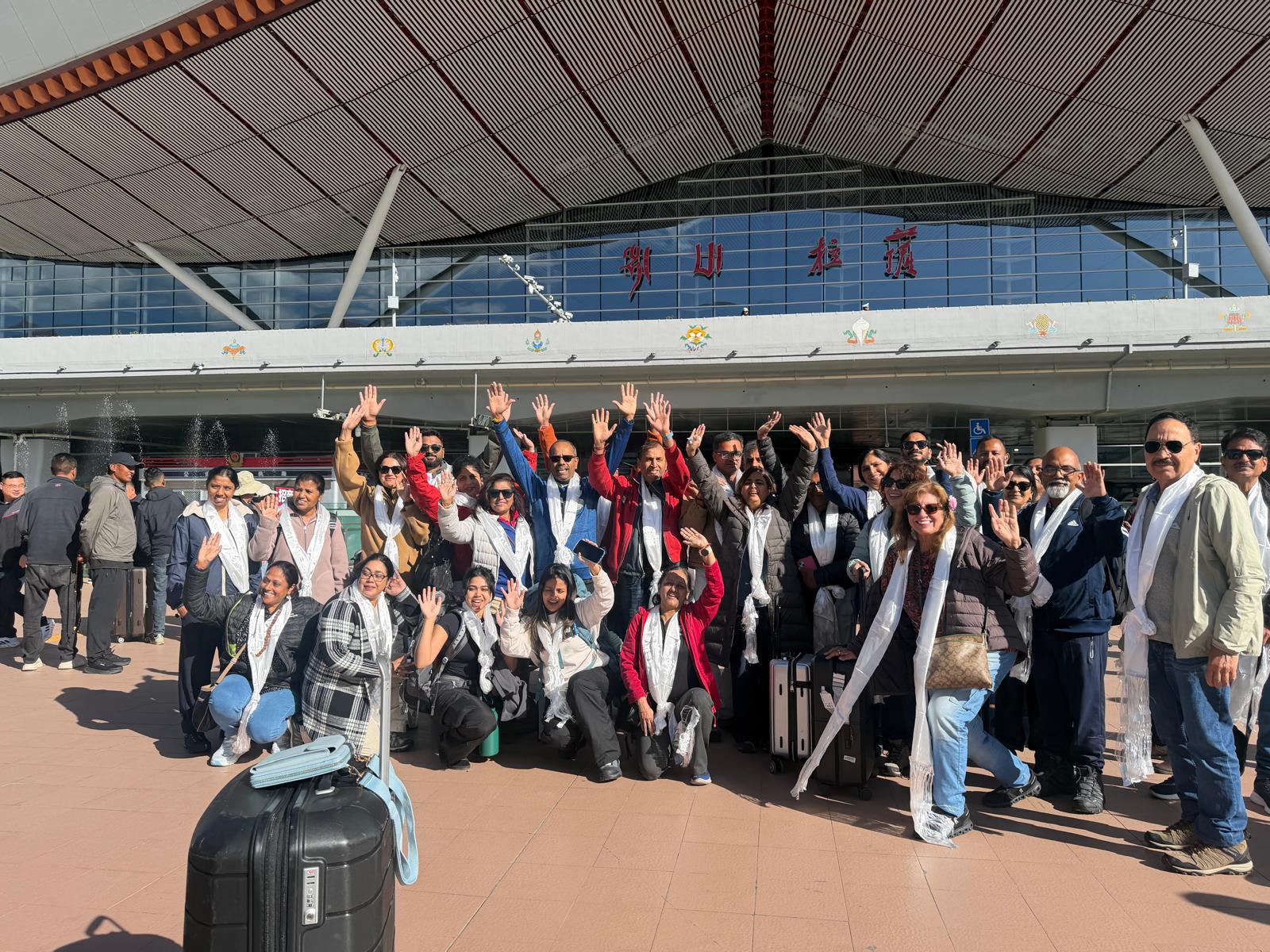
Medical Support and Safety: What Matters at 15,000 Feet
Tour operators list “medical support” like it’s a standard feature. It’s not. The question is: what kind of medical support, with what qualifications, carrying what equipment?
At extreme altitude, standard medical protocols don’t work. Medications metabolize differently. Wounds heal slower. Dehydration happens faster. And the nearest hospital might be 180 kilometers away on unpaved roads.
Your operator needs experienced medical personnel who’ve worked at altitude before. Not just doctors — altitude specialists who know the difference between regular exhaustion and early cerebral edema. They need portable oxygen concentrators (not just cylinders), pulse oximeters, blood pressure monitors, dexamethasone for severe altitude sickness, nifedipine for pulmonary complications, and evacuation coordination capacity.
Most budget packages have none of this. They have a Tibetan guide with basic first aid training and a phone number for emergencies. When altitude sickness hits hard at 2 AM at Dirapuk Monastery, that phone number doesn’t help.
At Kailash Pilgrim, medical staff travels with every group. Not on-call — physically present. They monitor vitals twice daily during the parikrama. They recognize early warning signs before pilgrims do. And they’ve coordinated 11 emergency evacuations over 20 years — all successful because systems were already in place.
This costs more. Obviously. But you’re asking your 64-year-old body to function at altitudes where commercial jets fly. Medical support isn’t a luxury — it’s the baseline for responsible operation.
Frequently Asked Questions
How much does the Kailash Mansarovar Yatra cost in 2026?
Legitimate packages range from $4,800 to $7,200 for road-based routes from Kathmandu. Helicopter packages cost $12,000 to $18,000 depending on services included. Prices below $4,500 typically exclude critical services like medical support, oxygen, or proper acclimatization schedules. Total cost includes permits, accommodation, meals, Tibetan guides, vehicle transport, and emergency support.
What is the best time to do Kailash Yatra?
May through September offers the most stable weather for Mount Kailash tours. June and early July see highest pilgrim volume due to ideal conditions. The 2026 Fire Horse Year creates special spiritual significance, but also means limited permit availability. Book 6-8 months ahead for preferred departure dates. Avoid October onwards when snowfall blocks high passes.
Do I need special fitness for the Kailash parikrama?
You need moderate cardiovascular fitness and ability to walk 12-17 kilometers daily for three consecutive days at altitude. No technical climbing required, but the Dolma La Pass at 19,500 feet demands stamina. Start daily walking practice 8-10 months before departure. Most pilgrims in their 60s complete it successfully with proper preparation and gradual acclimatization. Previous high-altitude experience helps but isn’t mandatory.
How do I get permits for Mount Kailash pilgrimage?
You cannot get permits independently. Chinese authorities require registered tour operators to apply on your behalf. Permit processing takes 45-60 days and requires passport copies, medical fitness certificates, detailed itineraries, and photographs. Applications open 6-8 months before departure. NRI pilgrims holding non-Indian passports need additional documentation adding 14-18 days to processing time.
Is Kailash Mansarovar Yatra safe for senior citizens?
Yes, with proper preparation and responsible operators. Many pilgrims in their 60s and 70s complete the Yatra safely each year. Critical factors: gradual acclimatization schedule, medical staff presence, supplemental oxygen availability, and realistic fitness preparation starting 8-12 months prior. Helicopter options exist for those with mobility limitations. Avoid operators rushing timelines or skipping acclimatization stops.
Ready to Answer Your Divine Calling?
The Kailash Mansarovar Yatra isn’t something you do casually. It demands physical preparation, financial investment, and spiritual readiness. But if you’ve felt that persistent pull toward Mount Kailash — toward the abode of Lord Shiva — then you already know this isn’t optional. It’s a calling you’ll eventually answer.
The 2026 Fire Horse Year creates once-in-12-years spiritual significance. Permits are already moving faster than normal years. If you’re serious about completing this sacred journey with proper support, medical safety, and genuine spiritual guidance, Kailash Pilgrim brings 20+ years of lived experience to every departure.
Ms. Shalini Patel has completed this parikrama 27 times since 1996. She doesn’t run tours — she guides devotees through the most transformative journey of their lives. Our packages include everything you actually need: permits, oxygen, medical staff, acclimatization schedules, year-long preparation support, and the hard-earned wisdom of knowing exactly what matters at 15,000 feet.
Visit https://kailashpilgrim.com or call +61 424388831 to discuss your Kailash Yatra preparation. The mountain is calling. Let’s make sure you’re ready to answer.