

Kailash Yatra Packages 2026: Complete Guide to Choosing the Right Pilgrimage
You don’t book a Kailash Yatra the way you book a holiday. This isn’t about finding the cheapest flight or the prettiest hotel. This is about choosing a package that won’t leave you gasping for air at 16,000 feet, won’t abandon you when the altitude hits, and won’t treat your spiritual calling like a tourism checklist.
I’ve seen pilgrims arrive unprepared. I’ve watched tour operators cut corners on oxygen support. I’ve held the hands of devotees who paid ₹2,42,000 only to feel rushed through parikrama like cattle. After completing more than 20 Kailash journeys since 1996, I can tell you — the package you choose matters more than you think.
Here’s how to actually choose kailash yatra packages 2026 that honor your devotion and protect your safety. Not theory. Not marketing. Just what works.
Step 1: Understand What You’re Actually Paying For (And What Gets Left Out)
Most kailash mansarovar package cost breakdowns look similar on paper. Somewhere between ₹1,80,000 and ₹3,50,000 depending on the route and operator. But the real difference isn’t in the price — it’s in what that price includes when things go sideways.
Start by asking these specific questions before you compare any number:
Medical preparedness: How many oxygen cylinders per vehicle? What’s the protocol if someone shows altitude sickness symptoms at 3 AM? Is there a doctor traveling with the group or just a first-aid kit? One Kailash Pilgrim group in 2024 had to airlift a devotee because the operator didn’t carry adequate medical supplies. That helicopter cost the family ₹4,70,000 out of pocket.
Acclimatization schedule: Does the itinerary include proper rest days in Kathmandu, Nyalam, and Saga? Or are you being rushed to meet a tight schedule? Your body needs time to adjust. Packages that skip acclimatization days might save you two days of hotel costs, but they’ll cost you in hospital bills — or worse, force you to abandon the yatra halfway.
Group size: Are you traveling with 8 people or 45? Smaller groups move at human pace. Large groups move at logistical pace. I’ve never seen a group larger than 15 complete parikrama without someone dropping out due to exhaustion.
Check the fine print for permit processing. Some operators quote you a base price, then add ₹35,000 in “permit fees” later. Kailash Pilgrim includes all Tibet permits, visa coordination, and document assistance upfront — because surprises two weeks before departure aren’t spiritual preparation, they’re stress you don’t need.
Here’s what separates real kailash yatra from india packages from rushed tourism: one full year of pre-yatra preparation. Physical conditioning guidance. Spiritual readiness support. Altitude simulation advice. Most operators send you a packing list. We send you a preparation plan.
Step 2: Choose Your Route Based on Your Body, Not Your Budget
There are three main routes for best kailash tour packages, and the “best” one depends entirely on your physical condition and age — not which one sounds most adventurous.
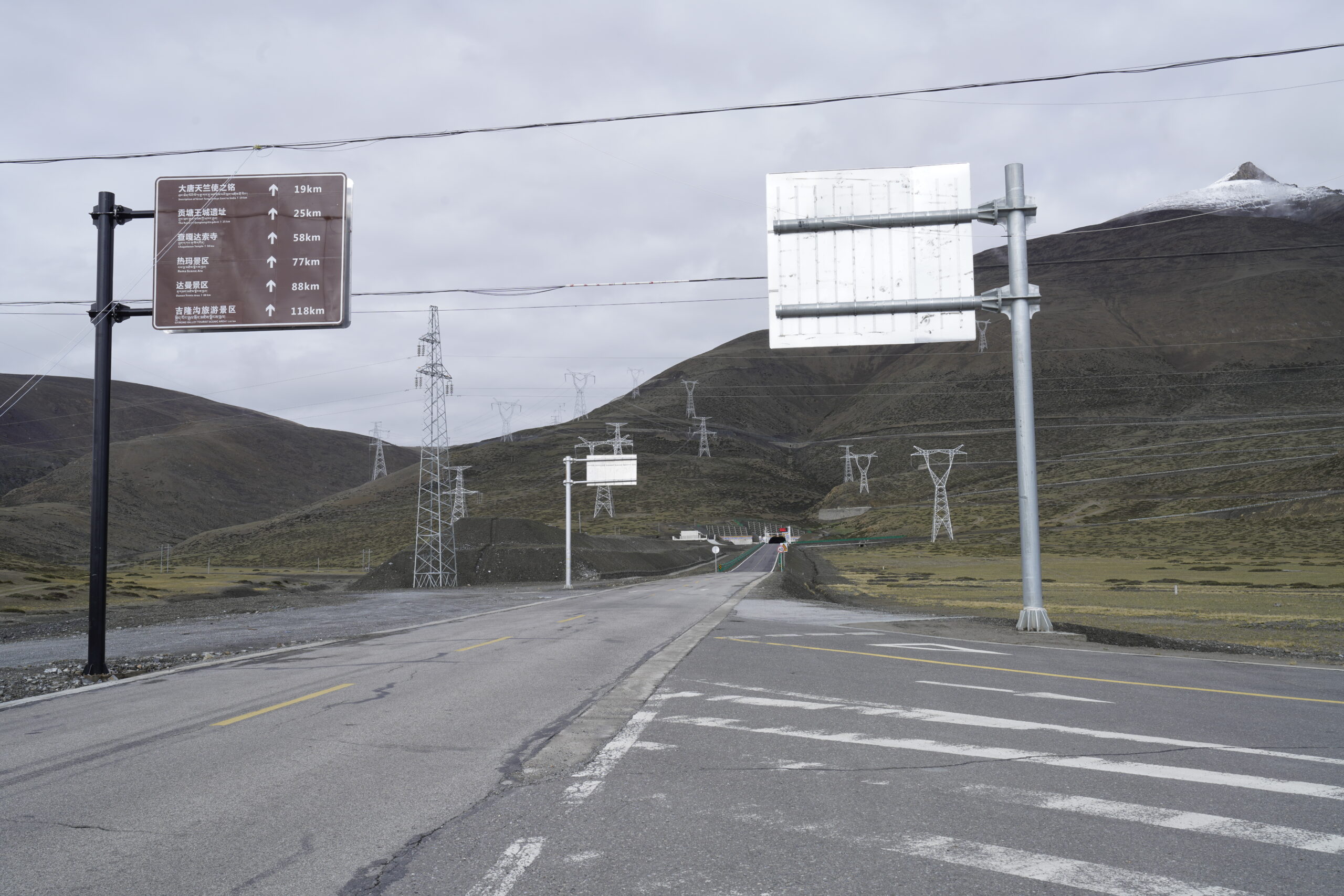
Kathmandu Overland Route (14-16 days): This is the classic path. You drive from Kathmandu through Nyalam, Saga, Mansarovar, and finally Darchen for parikrama. It’s the most gradual acclimatization route, which makes it ideal for seniors and first-time high-altitude travelers.
The drive is long — sometimes 8-9 hours a day — but your body gets time to adjust. Kailash Pilgrim’s 14-day Kathmandu package includes strategic rest stops that aren’t on most itineraries. Cost typically ranges ₹2,40,000 to ₹2,80,000.
Helicopter Yatra (8-10 days): You fly from Kathmandu directly to Simikot, then helicopter to Hilsa, cutting out days of driving. Faster? Yes. Easier on your body? Not necessarily. You gain altitude rapidly, which increases altitude sickness risk. This route works if you’re younger, already accustomed to high altitude, or simply can’t take two weeks off. But don’t choose it just to save time if your body isn’t prepared. Cost ranges ₹3,20,000 to ₹3,80,000.
Aerial Darshan by Chartered Flight (3 days): This isn’t parikrama. You don’t circumambulate Mount Kailash. You fly close enough for darshan, circle the sacred peak, and return. It’s designed for elderly devotees or those with serious medical conditions who physically cannot complete the trek but whose souls are called to Kailash.
Our 2026 Mahashivratri batch is already 70% full — it starts on the most auspicious date and seats are genuinely limited. Cost is approximately ₹1,95,000 to ₹2,20,000.
One woman from Melbourne, 67 years old, initially booked the helicopter route. After our pre-yatra health assessment, we moved her to the overland route. She completed parikrama without oxygen assistance. Her daughter, who was 42 and “in great shape,” chose helicopter despite our advice. She struggled with headaches for three days straight.
Listen to your body. Not your ego.
Step 3: Verify the Operator’s Real Track Record (Not Just Their Website Claims)
Every tour operator’s website claims 20 years of experience and “countless successful yatras.” Here’s how you verify who’s real.
Ask for references from NRI pilgrims specifically. International devotees face different challenges — visa timing, travel coordination across continents, communication during the yatra when you’re offline for days. If an operator mostly handles domestic Indian groups, they won’t understand your specific pain points.
Kailash Pilgrim was founded by Ms. Shalini Patel, an Australia-based devotee who’s personally completed this journey 20+ times since 1996. That’s not marketing. That’s lived experience that shapes how we design every itinerary.
Request the operator’s Tibetan Tourism Bureau (TTB) registration number. This is non-negotiable. Any legitimate operator has this documentation and should provide it without hesitation. If they dodge this question, walk away.
Look for operators who’ve handled the 2026 Fire Horse Year specifically. This isn’t just another year. In Tibetan Buddhist tradition, the Fire Horse Year occurs once every 12 years and carries 12 times the spiritual merit. The region will see unprecedented pilgrim numbers.
Operators without experience handling high-volume sacred years will crack under pressure. We’ve been preparing our 2026 batches since early 2025 — not because we’re paranoid, but because we’ve seen what happens when operators scramble last-minute.
Check their medical protocols in writing. Don’t accept vague reassurances. You want specifics: How many medical professionals travel with each group? What’s the oxygen supply ratio per person? What’s the emergency evacuation plan if weather grounds helicopters?
One operator I know lists “24/7 medical support” on their site. Their actual protocol? A satellite phone number for a clinic in Kathmandu. That’s not support. That’s liability avoidance.
Step 4: Match the Package Timing to the 2026 Sacred Calendar
Kailash yatra packages aren’t like beach vacations where any week works. The Tibetan spiritual calendar, weather windows, and permit availability create specific optimal departure windows.
April to June 2026: Prime season. Weather is most stable, roads are clear, temperatures are manageable. This is also when permit quotas fill fastest. The 2026 Fire Horse Year means demand will exceed supply by roughly 40% compared to typical years. If you’re targeting these months, you need to register by March 2026 at the absolute latest — and honestly, February is safer.
Mahashivratri 2026 (February 26): Our Kailash Aerial Darshan first batch departs on this supremely auspicious occasion. For devotees who cannot do full parikrama but want darshan on the most spiritually significant Shiva celebration, this is the moment. Limited seats. Not marketing pressure — actual aircraft capacity limits.
September to October 2026: Post-monsoon window. Fewer crowds than spring, but weather is less predictable. Good option if your schedule is inflexible and you missed spring registration.
Avoid July-August entirely. Monsoon season in Nepal means road blockages, landslides, and flight cancellations. I’ve seen groups stranded for four days waiting for weather to clear. That’s four extra days of permits, hotels, and stress you didn’t budget for.
One contrarian truth: Peak season isn’t always best season for your personal yatra. We had a group in late September 2023 — just 11 pilgrims. They experienced Mansarovar in near silence. They completed parikrama without the rush of 40-person groups competing for the same guesthouse rooms. Sometimes the “off-peak” timing gives you the sacred experience you actually came for.
Step 5: Prepare Your Body and Documents Simultaneously (Most People Skip Half This Step)
You cannot separate physical preparation from paperwork. They run parallel, and both take months.
Document checklist for kailash pilgrimage packages from India:
- Valid passport with minimum 6 months validity beyond your return date
- Tibet Travel Permit (processed through your operator, takes 4-6 weeks)
- China Group Visa (processed through operator, takes 2-3 weeks after permit approval)
- Medical fitness certificate (many operators require this for insurance purposes)
Kailash Pilgrim handles all permit coordination, but you need to submit your documents by deadlines we specify. Miss them by even three days, and you might miss your entire batch. Tibet permits aren’t flexible. Government processing times aren’t negotiable.
Now the part most operators ignore: physical conditioning.
You need cardiovascular endurance for 16,000+ feet altitude. You need leg strength for rocky, uneven parikrama terrain. You need mental stamina for 10-hour trek days. We recommend starting training six months before departure minimum. Not gym workouts — actual walking. Long distance. Uphill if possible.
Walk 5 kilometers daily for the first month. Increase to 8 kilometers by month two. By month four, you should comfortably walk 12 kilometers with a light backpack without joint pain the next day. One devotee from Sydney ignored this advice. “I do yoga three times a week,” she said. “I’ll be fine.” She completed parikrama, but she was in tears half the time from knee pain. Yoga builds flexibility. Kailash requires endurance.
Altitude simulation isn’t realistic for most people, but you can improve your blood oxygen efficiency. Pranayama breathing exercises, especially alternate nostril breathing, help. Practice holding your breath comfortably. Not pushing yourself to pass out — just building lung capacity gradually.
Start taking multivitamins with iron two months before departure. Get bloodwork done to check hemoglobin levels. Low iron means low oxygen-carrying capacity, which means altitude sickness becomes almost guaranteed. Your doctor can prescribe iron supplements if needed.
Step 6: Understand the Total Real Cost (Including What Operators Don’t Advertise)
The package price isn’t your total cost. Here’s what you’ll actually spend for kailash mansarovar package cost from India:
Base package: ₹2,40,000 to ₹3,50,000 depending on route and operator
International flights to/from Kathmandu: ₹45,000 to ₹85,000 from Australia, ₹35,000 to ₹65,000 from UK
Travel insurance with high-altitude coverage: ₹12,000 to ₹18,000 (and yes, you absolutely need this)
Tips for Sherpa support, drivers, and guides: ₹15,000 to ₹25,000 total
Personal gear (thermal wear, trekking boots, sleeping bag if not provided): ₹20,000 to ₹40,000 if you’re buying new
Miscellaneous (extra snacks, phone charging, emergency supplies): ₹8,000 to ₹12,000
Total realistic budget: ₹3,40,000 to ₹5,30,000 for the complete journey. Anyone quoting you an all-in cost under ₹3,00,000 is either cutting corners on safety, surprising you with hidden fees, or both.
One cost you cannot see upfront: lost income if you’re self-employed. Two weeks minimum away from business. Plan coverage or budget the lost revenue. I mention this because I’ve seen pilgrims rush through the spiritual experience because they’re stressed about work piling up. That defeats the entire purpose. If you cannot mentally afford two weeks of complete disconnection, wait until you can. Mahadev will still be there.
What Happens When You Choose the Wrong Kailash Yatra Package 2026
In 2023, I met a couple from Toronto at Mansarovar. They’d booked with a budget operator to save ₹60,000. Sounded smart. Except their group had one oxygen cylinder for 22 people. Their “experienced guide” was a 24-year-old who’d done the route twice. Their itinerary skipped the Saga acclimatization day to save on hotel costs.
The husband developed severe altitude sickness on day 6. Headaches, nausea, confusion — classic symptoms. The guide’s solution? “Rest for a few hours and you’ll be fine.” He wasn’t fine. They had to turn back before completing parikrama.
Their travel insurance didn’t cover “pre-existing conditions” — and apparently, mild hypertension counted. They lost the entire package cost. They lost the spiritual experience they’d saved three years for. They lost their once-in-a-lifetime opportunity because they chose price over preparation.
I don’t tell you this to scare you. I tell you this because it happens every single year. And it’s preventable. The right package isn’t the cheapest one. It’s the one that brings you home safely with your soul transformed and your body intact.
Step 7: Book Early But Smart (Timing Your Registration Without Getting Scammed)
For 2026 kailash yatra packages, especially Fire Horse Year batches, early registration is critical. But “early” doesn’t mean “impulsive.”
Here’s the booking timeline that actually works:
8-10 months before departure: Research operators, compare packages, verify credentials, request references. This is your due diligence phase. Don’t rush it.
6-7 months before: Make your decision and submit your registration with deposit. Most legitimate operators require 25-30% upfront. If someone demands 100% payment 8 months early, that’s a red flag. If someone accepts zero deposit and promises to “hold your spot,” they’re not holding anything — they’re still hunting for enough people to form a group.
4-5 months before: Submit all documents for permit processing. Your operator should provide you a detailed checklist and exact deadlines. Miss these, and your permits won’t process in time.
2-3 months before: Complete balance payment. Receive final itinerary, emergency contact numbers, and detailed packing list.
1 month before: Attend pre-departure briefing (in-person if you’re local, video call if you’re international). This should cover altitude sickness symptoms, daily schedule, cultural protocols for Tibet, and what to actually expect. If your operator doesn’t offer this briefing, consider that a warning sign.
Kailash Pilgrim opens registration for peak season batches in October of the previous year. Our 2026 Mahashivratri Aerial Darshan batch is already 70% full as of early 2026. Not because we’re good at marketing, but because devotees who’ve traveled with us bring their friends and family the next time. That’s the only metric that matters.
One critical warning: Watch out for operators offering “guaranteed permits” for sold-out dates. Tibet permit quotas are government-controlled. Once they’re full, they’re full. Nobody has secret access. If it sounds too good to be true, it is.
Frequently Asked Questions
What is the best time to book kailash yatra packages 2026?
Book 6-7 months before your intended departure date for best availability. For the 2026 Fire Horse Year, especially April-June batches, register by March 2026 at the latest. Mahashivratri Aerial Darshan slots are filling by February. Earlier booking also gives you more time for proper physical and spiritual preparation, which matters more than most pilgrims realize until they’re gasping for air at altitude.
How much does a complete kailash mansarovar package cost from India?
Package costs range from ₹2,40,000 for standard overland routes to ₹3,80,000 for helicopter yatra options. Budget an additional ₹1,00,000 to ₹1,80,000 for international flights, insurance, gear, and miscellaneous expenses.
Total realistic cost runs ₹3,40,000 to ₹5,30,000. Cheaper packages often cut corners on medical support, acclimatization days, or group size — exactly where you cannot afford compromises at high altitude.
Which kailash yatra route is safest for senior citizens?
The Kathmandu overland route (14-16 days) provides the most gradual acclimatization, making it safest for seniors and first-time high-altitude pilgrims. For elderly devotees with medical conditions who cannot trek, the 3-day Aerial Darshan by chartered flight offers sacred darshan without parikrama’s physical demands.
We’ve successfully guided pilgrims aged 68-74 on overland routes with proper preparation. Age isn’t the barrier — health status and preparation are.
Do kailash pilgrimage packages include visa and permit processing?
Reputable operators include Tibet Travel Permit and China Group Visa processing in their package cost. Kailash Pilgrim handles all permit coordination, document verification, and submission to authorities.
However, you must provide valid passports and completed forms by specified deadlines. Processing takes 6-9 weeks total, so document submission typically happens 4-5 months before departure. Any operator quoting permits as “extra cost” after you’ve signed up is adding hidden fees.
What medical preparation is essential before booking kailash yatra from india?
Get a full health checkup including cardiovascular assessment, hemoglobin levels, and lung function. Disclose any pre-existing conditions to your operator — hypertension, diabetes, and respiratory issues require extra precautions but don’t automatically disqualify you.
Start physical conditioning 6 months early: daily walking building to 12 kilometers comfortably with light backpack. Practice pranayama breathing exercises. Consider altitude sickness medication like Diamox after consulting your doctor. Most importantly, buy travel insurance that specifically covers high-altitude trekking above 15,000 feet — standard policies exclude this.
Your Next Step: Choose Experience Over Price, Preparation Over Speed
The difference between a transformative Kailash yatra and a traumatic one comes down to three decisions: choosing an operator with real experience, giving yourself adequate preparation time, and prioritizing safety over savings.
Kailash Pilgrim has guided pilgrims through this sacred journey since 1996. Our founder, Ms. Shalini Patel, has personally completed 20+ Kailash yatras, which means every itinerary, every safety protocol, every piece of advice comes from lived experience — not tour operator theory.
We specialize in NRI pilgrims from Australia, UK, USA, Canada, UAE, and Singapore, handling the specific visa complexities, communication needs, and support systems international devotees require.
Our 2026 packages include one full year of pre-yatra preparation support. We don’t just hand you a packing list — we guide your physical conditioning, spiritual readiness, and practical logistics every step. Our group sizes never exceed 15 pilgrims, ensuring personalized attention when altitude hits and someone needs help.
We carry medical-grade oxygen supplies, travel with experienced high-altitude guides, and build extra acclimatization days into itineraries where other operators cut corners.
The 2026 Fire Horse Year represents a once-in-12-years spiritual opportunity. Batches are filling faster than any year in our three decades of operation. If Mahadev is calling you to Kailash, this is your moment.
Visit kailashpilgrim.com or call +61 123 456 789 (Australia), +91 98765 43210 (India) to discuss your kailash yatra packages options. Tell us your health status, your availability, your concerns. We’ll be honest about what you can handle and what route serves your devotion best.
This isn’t a vacation you’re booking. This is a calling you’re answering. Choose the package that honors both.